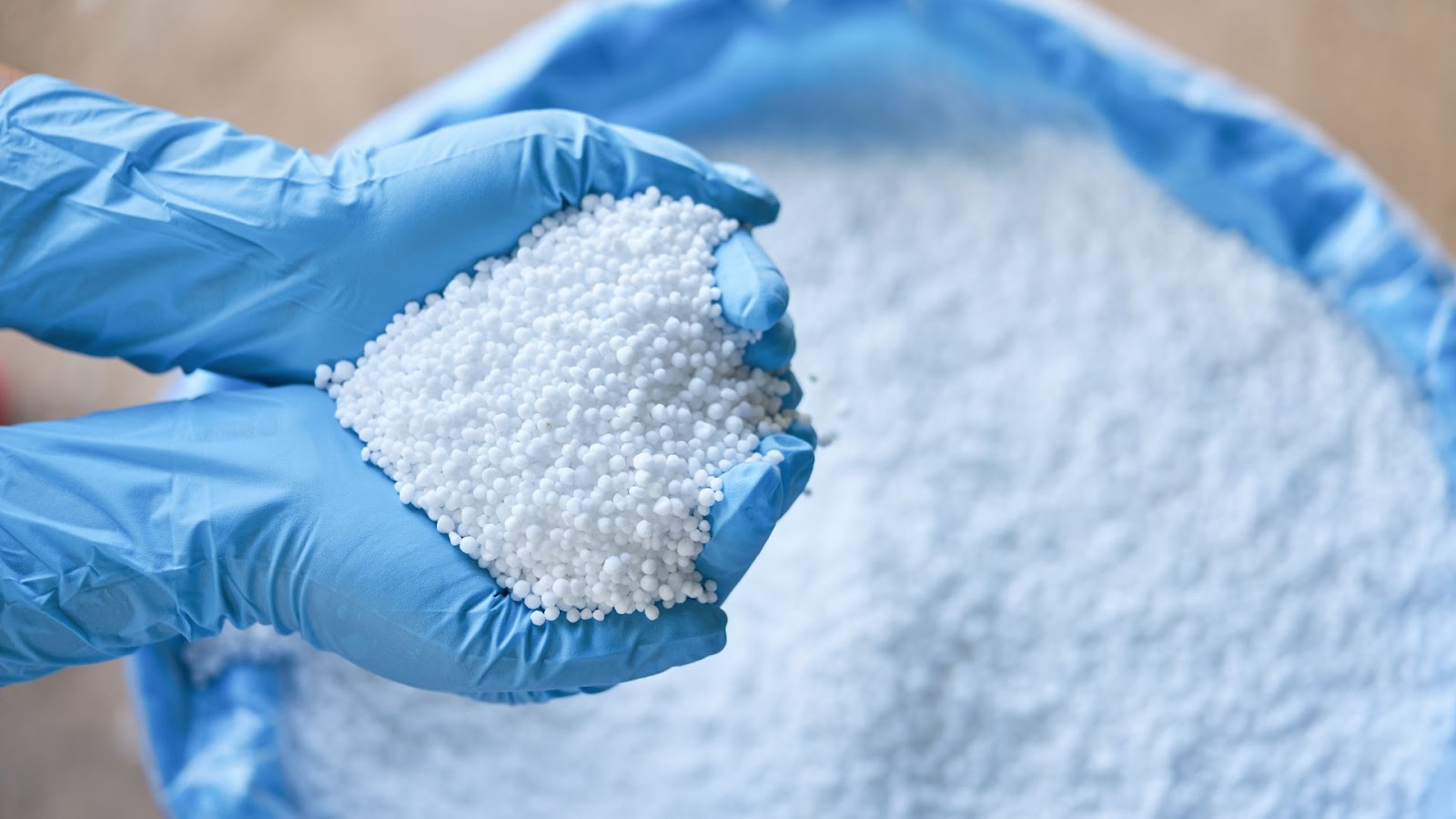
The flowering stage is the most critical phase in the cannabis life cycle, during which the plant redirects its energy from leafy growth to producing dense, resinous buds. Many growers struggle at this point. Too much nitrogen, the wrong nutrient balance, or inconsistent feeding can lead to weak flowers and reduced yields.
The right fertilizer mix ensures healthier plants, bigger blooms, and improved potency. This guide examines the key elements of an effective blend, common pitfalls to avoid, and best practices for nurturing cannabis during its flowering stage.
In a nutshell:
- The best fertilizer mix for budding cannabis balances nitrogen, phosphorus, and potassium according to the flowering phase.
- Knowing the right mix and feeding schedule is crucial for healthy, dense buds and optimal potency.
- Common nutrient issues, like deficiencies or burn, can be prevented with proper ratios and careful monitoring.
- Keeping detailed records of nutrient applications and plant responses helps identify patterns and refine feeding strategies for consistent results.
Different Phases of the Cannabis Flowering Stage
Once your plants switch from vegetative growth to flowering, their needs change quickly. Breaking the flowering stage into smaller phases makes it easier to know what your plants want at each step.
These are the key stages in the flowering process:
- Early flowering (weeks 1–3): Plants stretch in height while starting to form tiny bud sites. They still need a little nitrogen, but begin craving more phosphorus and potassium.
- Mid-flowering (weeks 4–6): Buds bulk up and resin production ramps up. Nutrient demand for phosphorus and potassium increases, while nitrogen takes a back seat.
- Late flowering (weeks 7+): Plants focus on ripening. This is when buds gain weight, trichomes mature, and nutrient levels need fine-tuning to avoid harsh flavors at harvest.
Understanding these phases helps you stay ahead of your plant’s changing appetite. Now that you can see how the demands shift as flowering progresses, the next step is figuring out what goes into the fertilizer mix that actually supports those needs.
Suggested Read: Adjust Light Intensity in the Final Flowering Stage
Essential Nutrients for Healthy Flowering
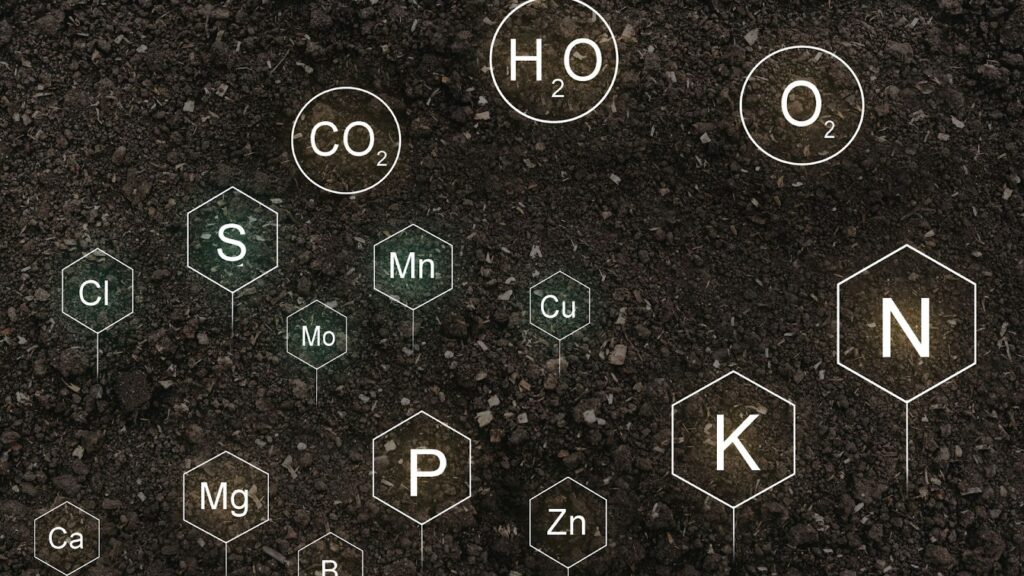
Your plants are no longer focused on producing leaves and stems. Instead, they need the right nutrients to develop dense buds, strong aromas, and potent resin.
Getting the balance wrong is one of the biggest reasons growers see weak flowers or nutrient burn during this stage.
Let’s break down the essentials.
1. Nitrogen (N)
Nitrogen drives leafy growth, but during flowering, your plants only need it in small amounts. Too much nitrogen at this stage can lead to dark, clawed leaves and underdeveloped buds. A light dose keeps the foliage healthy without stealing energy from flower production.
2. Phosphorus (P)
Phosphorus is crucial for bud initiation and energy transfer within the plant. It helps flowers form properly and supports root activity, ensuring the plant can take up the nutrients it needs. Deficiencies often show as slow bud growth or darkened, purplish leaves.
3. Potassium (K)
Potassium plays a central role in overall plant health during flowering. It enhances water uptake, strengthens stems, and directly influences bud density and resin production. Without enough potassium, flowers may appear airy or lack potency.
4. Secondary Nutrients and Micronutrients
Don’t miss out on these other nutrients if you want big flowers:
- Calcium and Magnesium: Support cell structure and chlorophyll production, keeping buds strong and healthy.
- Sulfur: Important for terpene development, which affects aroma and flavor.
- Micronutrients (iron, zinc, manganese, boron, etc.): These are needed in trace amounts to keep metabolic processes running smoothly. Even small imbalances can throw off flowering progress.
Managing nitrogen, phosphorus, potassium, and trace nutrients during flowering can get complicated. PlanaCan can help you plan nutrient schedules, track applications, and assign tasks to your team.
Keeping detailed records helps you identify patterns, such as which mixes produce the densest flowers or increase resin. By tracking this information, nutrient management becomes more consistent and repeatable instead of guesswork.
The next step is determining how to balance these elements to make the best fertilizer mix for budding cannabis.
Ideal Fertilizer Mix Ratios for the Best Marijuana Buds
You will often come across the term N-P-K. This refers to the three primary nutrients your plants need. Nitrogen (N) for leaf growth, Phosphorus (P) for buds and roots, and Potassium (K) for overall plant health, water uptake, and flower development.
This is what your plants need at different flowering stages:
1. Early Flowering Ratios (Weeks 1–3)
During early flowering, plants stretch and form initial bud sites. Nitrogen should be reduced slightly to prevent leafy overgrowth.
You should start increasing phosphorus and potassium to support flower formation. Secondary nutrients remain important to strengthen stems and support overall plant health.
Ideal N-P-K Ratio: 3-5-7 or similar
2. Mid Flowering Ratios (Weeks 4–6)
Mid-flowering is when buds begin bulking up and resin production intensifies. Phosphorus and potassium take center stage, fueling bud density and flower quality.
Trace elements, like calcium, sulfur, and magnesium should continue in small amounts, and plants should be monitored closely for signs of deficiencies. Nitrogen should be reduced to minimal levels, but completely stopped.
N-P-K Ratio: 2-6-8 or similar
3. Late Flowering Ratios (Weeks 7+)
In late flowering, the plant shifts fully to ripening buds. Nitrogen is kept very low, while phosphorus and potassium peak to finalize weight, potency, and resin production. Micronutrients remain consistent to preserve aroma, flavor, and overall plant health.
N-P-K Ratio: 1-5-10 or similar
By adjusting N-P-K ratios according to each flowering phase, you can give your plants exactly what they need at the right time.
Once you have the ratios in mind, the next step is selecting the fertilizer that will deliver these nutrients effectively and safely.
Suggested Read: Understanding Why Buds Become Light and Fluffy After Drying
Types of Fertilizers for Budding Cannabis
Different fertilizers suit different grow setups, strain needs, and personal preferences. Selecting the best option helps ensure your buds develop fully, your plants stay healthy, and your feeding schedule is easier to manage.
1. Organic Fertilizers
- Organic fertilizers come from natural sources such as compost, bat guano, bone meal, or kelp extracts. They release nutrients slowly and improve soil structure over time, which can benefit long-term plant health.
- Pros: Enhances soil biology, reduces risk of nutrient burn, and is environmentally friendly
- Cons: Slower nutrient release, may require supplemental feeding, can have inconsistent nutrient content
- Best For Soil Grows: Growers seeking sustainable, natural feeding, and flavor/aroma enhancement
2. Synthetic Fertilizers
- Synthetic fertilizers are chemically formulated to provide exact nutrient ratios. They are fast-acting and allow more control over N-P-K levels for each flowering phase.
- Pros: Immediate nutrient availability, consistent and measurable N-P-K, easy to adjust
- Cons: Can cause salt buildup, higher risk of overfeeding, may require flushing before harvest
- Best For Hydroponics and Coco Coir Grows: Growers who want accurate control over nutrient intake
3. Liquid Fertilizers
- Liquid fertilizers can be either organic or synthetic and are applied directly to the roots or as foliar sprays. They enable rapid nutrient uptake and allow for quick corrections if deficiencies arise.
- Pros: Fast absorption, easy to mix and apply, flexible dosing
- Cons: Can leach out quickly in soil, may require frequent applications
- Best For: Quick adjustments during flowering, foliar feeding, and hydroponic setups
4. Slow-Release Fertilizers
Slow-release fertilizers gradually supply nutrients over time, reducing the need for frequent feedings. They are often pelletized or incorporated into the growing medium at the start of the flowering phase.
- Pros: Reduces feeding frequency, consistent nutrient supply, low risk of burning plants
- Cons: Limited flexibility to adjust N-P-K mid-flowering, slower response to deficiencies
- Best For Beginners: Low-maintenance grows, soil or soilless media.
Choosing the right type of fertilizer sets a solid foundation for healthy, dense flowers. With the type and ratio sorted, the next step is learning best practices to ensure your nutrients are delivered safely and effectivel.
Best Practices for Mixing and Application
Getting the right fertilizer mix is only half the battle. How you prepare and apply it can make a big difference in plant health and flower quality.
Follow these best practices:
- Measure Carefully: Always weigh or measure fertilizers according to the recommended ratios to avoid overfeeding.
- Check pH and EC: Ensure your water and nutrient solution are at the proper pH and electrical conductivity levels for optimal nutrient uptake.
- Mix Thoroughly: Dissolve fertilizers completely before application to prevent uneven distribution and root damage.
- Feed Consistently: Stick to a regular feeding schedule based on your plant’s flowering phase, adjusting as needed for strain or growth conditions.
- Flush When Necessary: Periodically flush the medium to prevent salt buildup and maintain healthy roots.
- Observe and Adjust: Monitor leaves, stems, and buds for signs of stress or deficiency, and tweak nutrient strength or frequency accordingly.
Keeping track of all these practices can be challenging, especially as your flowering schedule becomes more complex. PlanaCan helps you organize nutrient schedules, record feeding events, and assign tasks to your team so nothing gets missed.
These records reveal patterns that help you fine-tune mixes and application timing for optimal bud quality. With this kind of tracking, nutrient management becomes easier, more consistent, and far less stressful.
With mixing and application under control, the next step is learning how to identify and address common nutrient issues during flowering.
Suggested Read: Step-by-Step Guide on How to Start Growing Cannabis Indoors
Common Nutrient Issues During Flowering
Even with careful planning, nutrient problems can still pop up during the flowering stage. The key is knowing what to look for so you can act before the issue affects your harvest.
Here are the most common nutrient challenges and how to handle them.
1. Nitrogen Deficiency
When nitrogen is too low, lower leaves may turn pale or yellow, and overall growth can slow down. The plant struggles to produce energy, which can make buds smaller and weaker.
Fix: Increase nitrogen slightly in your next feeding, while maintaining a balanced ratio of phosphorus and potassium.
2. Nitrogen Burn
Too much nitrogen shows up as dark green, clawed leaves with brown tips. Excess nitrogen can overwhelm the plant and stunt flower development if left uncorrected.
Fix: Flush the medium with pH-balanced water and reduce nitrogen in future feedings.
3. Phosphorus Deficiency
Slow bud growth, darkened or purplish leaves, and weak flowers often point to low phosphorus. Since phosphorus drives energy transfer and bud formation, a shortage can seriously impact flowering.
Fix: Feed a phosphorus-rich fertilizer or bloom booster, and monitor N-P-K levels carefully.
4. Potassium Deficiency
Leaf edges may curl or brown, spotting can appear, and buds can end up airy or underdeveloped. Potassium is essential for water movement, bud density, and overall plant resilience.
Fix: Apply a potassium-focused nutrient solution and ensure the pH is optimal for absorption.
5. Micronutrient Imbalance
Yellowing, spotting, or malformed leaves can result from missing trace elements like magnesium, calcium, or iron. Even small deficiencies can slow flower development and reduce potency.
Fix: Use a balanced micronutrient supplement and check water quality and pH to ensure proper uptake.
The best fertilizer mix for budding cannabis can help you prevent problems before they start. The next step is figuring out how to choose the right fertilizer
How to Choose the Best Fertilizer Mix?
The key to selecting the right fertilizer is to match the nutrient profile to your plant’s flowering stage, growth environment, and strain-specific needs.
Here are the main factors to consider when picking your fertilizer:
- Know Your N-P-K Needs: Adjust ratios based on whether your plants are in early, mid, or late flowering.
- Consider your Growing Medium: Soil, coco coir, and hydroponic systems absorb nutrients differently, so choose a fertilizer suited to your setup.
- Organic vs. Synthetic: Organic fertilizers improve soil health and flavor, while synthetic options allow control and faster nutrient delivery.
- Liquid or Slow-Release: Liquid fertilizers offer quick absorption and easy adjustments, while slow-release options provide steady nutrition with less frequent feeding.
- Micronutrient Content: Make sure your fertilizer includes trace elements like magnesium, calcium, and iron, which are critical for bud development.
- Strain-Specific Requirements: Some strains may have higher potassium or phosphorus demands; adjust accordingly to optimize yield and quality.
The final part of feeding is just as important as the mix itself. Knowing when and how to taper nutrients ensures your buds finish strong, with maximum flavor and potency.
What is the Right Time to Stop Fertilizing?
Continuing to fertilize too long can leave salts in the medium, affect flavor, and reduce bud quality. By tapering off nutrients at the right time, you give your plants a clean finish and allow buds to ripen fully.
Here’s how to gauge when it’s time to stop:
- Observe Trichome Development: When most trichomes turn milky with some amber, it’s usually time to reduce or stop nutrients.
- Monitor Leaf Health: Yellowing leaves toward the end of flowering are normal; this signals the plant is using up remaining nutrients.
- Follow the Flush Schedule: Many growers flush the medium 1–2 weeks before harvest to remove excess salts and improve taste.
- Adjust Gradually: Instead of stopping abruptly, gradually reduce nutrient concentration to avoid shocking the plant.
Tapering off nutrients carefully helps your buds reach full maturity and flavor potential. However, keeping track of when to taper or stop nutrients can be tricky, especially across multiple plants or strains.
PlanaCan makes it easier by providing automated scheduling and tracking, so you and your team always know exactly when each plant needs its final feed. Try it free for two weeks and see why growers swear by its simplicity and accuracy.
Tips for Managing Nutrients and Workflows in Your Harvest
Keeping your flowering stage organized is just as important as choosing the right fertilizers. A clear workflow ensures nutrients are applied consistently, tasks aren’t missed, and your team stays on the same page.
Here are some practical tips to manage both nutrients and daily operations efficiently:
- Create a Feeding Schedule: Plan nutrient applications according to each flowering phase and stick to it consistently.
- Document Everything: Record every feeding, flush, and adjustment to track what works best for your plants.
- Assign Responsibilities: Make sure each team member knows their tasks and timing to avoid missed or duplicate applications.
- Monitor and Adjust: Regularly check plant health and nutrient levels, adjusting the schedule as needed.
- Use Reminders and Alerts: Set up notifications for feedings, flushing, and other critical tasks to stay on track.
When your workflow is well-organized, feeding becomes predictable, stress is reduced, and your buds have the best chance to thrive.
This is where tools, like PlanaCan can step in to make your life even easier, helping you track, schedule, and optimize every stage of flowering.
How Can PlanaCan Support Your Growth?
Managing a flowering operation involves tracking nutrients, scheduling tasks, and ensuring your team follows the plan. PlanaCan is designed to simplify these processes so you can focus on optimizing plant health and bud quality.
These are a few ways we support your harvest:
1. Automated Scheduling
- PlanaCan lets you create customized nutrient schedules for every flowering phase.
- Assign feeding tasks to specific team members
- Automatically track application dates and times
- Adjust schedules quickly based on growth observations
2. Task Tracking and Accountability
- Keep everyone on the same page with clear task visibility.
- Mark completed feedings, flushes, and adjustments
- Identify missed or delayed tasks immediately
- Maintain a digital log of all actions for future reference
3. Data-Driven Insights
- Use historical records to refine your nutrient strategy over time.
- Track which mixes and timings produced the best yields
- Compare results across strains or grow cycles
- Make informed decisions to improve efficiency and quality
4. Real-Time Monitoring via Apps
- PlanaCan’s Android and iOS app gives you updates as they happen, no matter where you are.
- Receive instant notifications for feedings, flushes, and schedule changes
- Track nutrient levels and task completion in real time
- Make adjustments on the spot to prevent issues before they affect your plants
By integrating planning, tracking, and analytics, PlanaCan ensures your team stays coordinated and your nutrient management is highly accurate. The result is consistent flowering, healthier plants, and higher-quality harvests, all with less guesswork and stress.
Conclusion
Using the right fertilizer during the flowering stage is only part of the equation. Applying it correctly and consistently is equally critical. Proper feeding schedules, accurate mixes, and careful monitoring ensure your buds develop fully, maximize potency, and avoid nutrient-related issues.
PlanaCan makes this process effortless by automating nutrient schedules, tracking feedings in real time, assigning tasks to team members, and providing historical insights to refine your strategy. With automated reminders, task accountability, and mobile app access, you can manage your entire flowering operation with confidence.
Take control of your grow and ensure every plant reaches its full potential. Schedule a free call today to see how PlanaCan can improve yields.
Frequently Asked Questions
1. What nutrient makes cannabis buds bigger?
Phosphorus and potassium are key for bud growth. Phosphorus supports flower formation and energy transfer, while potassium enhances bud density and resin production. Nitrogen should be reduced during flowering to avoid leafy growth at the expense of buds.
2. What is the best fertilizer ratio for flowering cannabis?
During flowering, N-P-K ratios typically shift to lower nitrogen and higher phosphorus and potassium. Early flowering: 3-5-7, mid: 2-6-8, late: 1-5-10. Ratios may vary by strain and growing medium for optimal bud development and potency.
3. How often should I fertilize in the flowering stage?
Feed your plants according to their growth phase and medium. Generally, liquid fertilizers are applied every 1–2 watering cycles, while slow-release fertilizers are applied less frequently. Observe plant health and adjust frequency to avoid underfeeding or overfeeding.
4. Which is the best type of fertilizer for outdoor marijuana?
Organic fertilizers, such as compost, bat guano, or bone meal, are ideal outdoors. They improve soil health, provide slow-release nutrients, and enhance flavor and aroma while reducing the risk of nutrient burn in variable environmental conditions.
5. Which is the best type of fertilizer for indoor marijuana plants?
Indoor plants often benefit from synthetic or liquid fertilizers, offering tight control over N-P-K ratios. They allow quick adjustments, fast absorption, and consistent nutrient delivery, especially in hydroponic or coco coir setups.
6. How does PlanaCan assist in getting a better harvest?
PlanaCan automates nutrient schedules, tracks feedings, and assigns tasks to team members. Real-time updates, mobile access, and historical insights help growers optimize mixes and timing, prevent mistakes, and consistently achieve healthier plants and higher-quality buds2.4.4