Cannabis harvest doesn’t end when you cut the buds. How you handle them afterward determines potency, flavor, aroma, and overall quality.
Two critical steps define this post-harvest phase: drying and curing.
While they may seem similar, each process serves a distinct purpose and requires different techniques. Understanding the differences ensures you lock in moisture correctly, avoid mold, and enhance your final product.
In this guide, we break down drying vs curing, what to do at each stage, and common mistakes to avoid for premium cannabis results.
At a glance:
- Drying removes excess moisture immediately after harvest to prevent mold, preserve structure, and prepare buds for curing.
- Curing enhances flavor, aroma, potency, and smoothness by allowing chemical changes to occur in a controlled environment.
- Proper environmental control, including temperature, humidity, airflow, and airtight storage, is essential for both drying and curing success.
- Common mistakes like rushing the process, overhandling buds, or ignoring sensory cues can compromise potency, taste, and shelf life.
- Using the right tools and monitoring systems, such as drying racks, hygrometers, and specialized containers, ensures consistent quality and maximizes the final product.
What Is Drying?
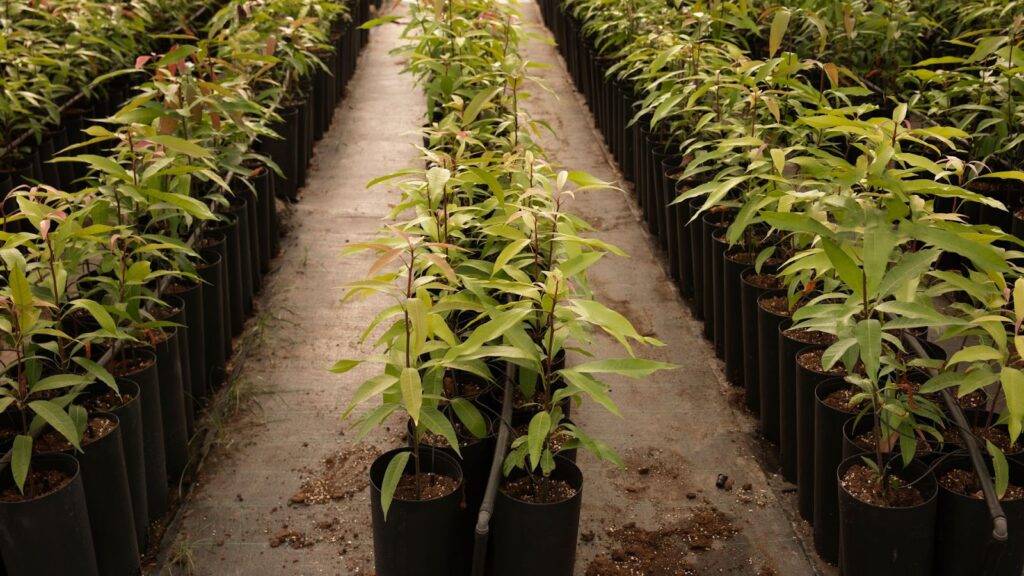
Drying is the first critical step after harvest, designed to remove excess moisture from your cannabis buds without damaging potency, aroma, or structure.
Done correctly, it prevents mold and prepares the plant for curing. Done poorly, it can lead to harsh smoke, reduced flavor, or even spoilage. This stage is all about patience, control, and careful monitoring.
Purpose: Moisture Removal to Prevent Mold and Pests
Freshly harvested cannabis contains high water content that makes it highly susceptible to mold and pests. Drying reduces moisture to safe levels, protecting buds from spoilage while locking in aroma and color.
Environmental Conditions: Ideal Temperature and Humidity Levels
Maintain temperatures between 60–70°F with 45–55% relative humidity. Low light is essential to avoid degrading cannabinoids and terpenes. Consistent airflow prevents stagnant pockets that could lead to mold or uneven drying.
Methods: Hang Drying, Rack Drying, and Their Effectiveness
Hang drying involves suspending branches or whole buds, allowing air to circulate freely. Rack drying uses trays for smaller spaces or smaller yields. Both methods work well if airflow, humidity, and spacing are carefully managed. Choose the method that suits your grow while ensuring even drying.
Monitoring Drying Progress and Signs of Readiness
Buds are ready when small stems snap instead of bending, and the exterior feels dry but not brittle. Leaf texture should be papery, and aroma should be pronounced without a grassy or overly damp smell. Regularly check buds to avoid over-drying, which can reduce potency and flavor.
What is Curing?
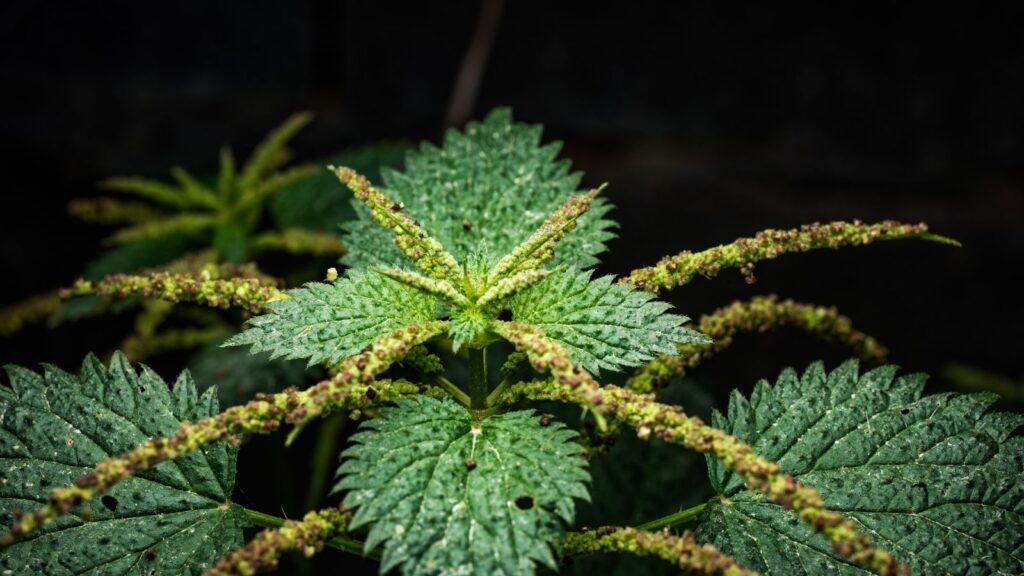
Curing is the process that follows drying, where cannabis buds are stored in controlled conditions to enhance flavor, aroma, and potency. It allows residual moisture to redistribute, chlorophyll to break down, and terpenes and cannabinoids to stabilize. Proper curing smooths harsh flavors, intensifies aroma, and improves the overall quality of the final product.
Purpose: Flavor, Texture, and Potency Enhancement
During curing, residual chlorophyll and other harsh compounds gradually break down, reducing harshness in smoke. Cannabinoids and terpenes stabilize, intensifying aroma and effects. Proper curing elevates the overall quality of your buds and preserves them for long-term storage.
Storing Methods: Containers for Optimal Curing
Most growers use airtight jars or containers for curing. The “burping” process (opening containers once or twice daily) allows fresh air in and prevents excess moisture buildup. Over time, the frequency of burping decreases as buds stabilize.
Environmental Controls and Humidity Management During Curing
Curing typically takes place at 60–70°F with 55–65% relative humidity. Light should be minimal to prevent terpene degradation. Small fluctuations in humidity are acceptable but extreme swings can lead to mold or overdrying.
Process Duration and Ongoing Flavor Development
Curing typically lasts 2–4 weeks, but longer curing—up to several months—can further enhance flavor, smoothness, and potency. Properly cured buds are aromatic, flavorful, and have a refined effect, offering a superior experience compared to under-cured cannabis.
Key Differences Between Drying and Curing

While drying and curing are consecutive stages, they serve very different purposes and affect your cannabis in distinct ways. Understanding these differences ensures you preserve potency, flavor, and texture.
Aspect
Drying
Curing
Purpose
Remove excess moisture to prevent mold and prepare buds for storage
Enhance flavor, aroma, potency, and smoothness through slow chemical changes
Duration
5–14 days depending on bud size and density
2–8 weeks or longer, depending on strain and desired quality
Environment
60–70°F, 45–55% relative humidity, low light, good airflow
60–70°F, 55–65% relative humidity, low light, airtight containers with daily burping initially
Monitoring
Check stems for snap, leaf dryness, and even moisture removal
Check for balanced moisture, aroma development, and no mold formation
Outcome
Safe-to-store buds with preserved color and aroma
Fully matured buds with optimal flavor, smoother smoke, and improved potency
Risks if Done Incorrectly
Mold, rot, loss of color, harsh smoke
Loss of aroma, harsh taste, reduced potency, potential mold if humidity is too high
1. Purpose and Outcome
Drying is primarily about removing excess moisture to prevent mold, rot, and pest issues immediately after harvest.
Curing, on the other hand, focuses on enhancing flavor, aroma, and potency through slow chemical and enzymatic changes that occur once moisture levels are balanced.
2. Process Mechanics
During drying, water is removed from buds through evaporation, typically over 5–14 days, depending on size and density.
Curing is a slower process where residual moisture and cannabinoids interact, chlorophyll breaks down, and terpenes mature, improving the overall sensory quality.
3. Environmental Requirements
Drying requires controlled airflow, moderate temperature (60–70°F), and lower humidity (45–55%) to safely remove water.
Curing demands slightly higher humidity (55–65%) and airtight storage, with regular “burping” to release excess moisture and allow even chemical development.
4. Timing and Monitoring
Drying is relatively short-term and can be assessed by stem flexibility and bud dryness.
Curing takes longer, often several weeks to months, and progress is measured by aroma, texture, and smoothness when smoked or vaporized.
5. Impact on Final Quality
Proper drying sets the foundation by preventing spoilage and preserving basic bud structure.
Proper curing elevates quality by refining flavors, enhancing smoothness, and stabilizing cannabinoids, ensuring your cannabis reaches its full potential.
Mastering both stages is essential. Skipping or rushing either can compromise safety, taste, and potency, while careful execution results in buds that are visually appealing, flavorful, and enjoyable to consume.
Suggested read: Ideal Temperature and Humidity for Drying Cannabis
Benefits of Proper Drying and Curing
Proper drying and curing go beyond preserving your harvest. They actively enhance quality, safety, and long-term enjoyment. When done correctly, these processes ensure buds reach their full potential in flavor, aroma, and potency.
1. Enhanced Flavor and Aroma
Slow curing allows terpenes to mature fully, developing complex flavor profiles unique to each strain. Proper drying prevents the loss of delicate volatile compounds, so buds retain their signature aroma and taste. Improper handling can leave grassy, harsh, or flat-tasting buds.
2. Smoother Smoke and Reduced Harshness
Curing breaks down chlorophyll and other compounds that contribute to a harsh smoking experience. Properly cured cannabis produces a smoother inhale and less throat irritation, improving both recreational and medicinal consumption.
3. Optimized Potency and Cannabinoid Stability
Gradual moisture removal and controlled curing preserve cannabinoids like THC and CBD. Over-drying or skipping curing can degrade these compounds, reducing potency and affecting the overall effects of the strain.
4. Prevention of Mold, Mildew, and Other Contaminants
Drying lowers water content to safe levels, while curing at controlled humidity prevents mold growth. Both steps are critical to ensuring your buds remain safe to consume and store over time.
5. Longer Shelf Life and Consistency Across Batches
Properly dried and cured buds maintain their quality for months, retaining aroma, flavor, and potency. Consistency across harvests is achievable when environmental conditions and processes are carefully monitored, reducing waste and increasing reliability.
6. Strain-Specific Optimization
Different strains respond uniquely to drying and curing. By tailoring the duration, humidity, and container management to the genetics, growers can emphasize particular aroma notes, terpene profiles, or potency characteristics.
7. Post-Harvest Storage Advantages
Cured buds are easier to store in jars or containers without risk of moisture buildup. Regular burping and humidity monitoring during curing ensures buds remain stable, preventing degradation and maintaining optimal quality over time.
Mastering drying and curing is about precision and patience. Each stage protects your investment, enhances the end product, and ensures every bud delivers its intended sensory and therapeutic experience.
Tips for a Smooth Post-Harvest Process
Post-harvest handling sets the stage for quality buds. Even small mistakes at this stage can reduce potency, flavor, or shelf life. Follow these expert tips to maintain maximum quality.
- Handle Buds Gently: Every trichome is a cannabinoid and terpene factory. Rough handling can break them off, diminishing potency and aroma. Gently trim, move, and arrange buds to preserve resin integrity.
- Optimize Airflow Without Over-Drying: Proper airflow prevents mold during drying, but excessive movement or direct wind can dry buds too quickly, causing harsh smoke and brittle texture. Aim for light, even circulation across the drying space.
- Monitor Humidity and Temperature: Use a hygrometer to track humidity in both drying and curing stages. Keep drying at 45–55% RH and curing at 55–65% RH, with temperatures around 60–70°F. Sudden spikes or drops in humidity can stall drying, trap moisture, or encourage mold growth.
- Space Buds Properly: Avoid overcrowding. Leave space between branches or trays so air circulates freely. Overcrowding creates microclimates that can trap moisture and promote mold.
- Use Airtight Containers for Curing: Once drying is complete, transfer buds to airtight glass jars or specialized curing containers. This ensures slow, even moisture redistribution and allows chemical processes to enhance flavor, smoothness, and potency.
- Burp Containers Daily Initially: For the first 1–2 weeks, open jars briefly to release excess moisture and prevent mold. Gradually reduce burping frequency as buds reach equilibrium. This controlled release ensures even curing and protects quality.
- Track and Document the Process: Maintain a log of environmental conditions, drying/curing duration, and observations for each strain. Tracking patterns helps refine techniques, prevent recurring mistakes, and consistently achieve top-quality results.
- Adjust for Strain Characteristics: Dense, resin-heavy buds may take longer to dry and cure, while airy strains may require less time. Tailor your approach based on the strain’s structure, moisture content, and terpene profile.
- Avoid Rushing the Process: Drying and curing are not just chores—they’re critical quality control steps. Moving too quickly from harvest to storage can trap moisture or underdevelop flavors, while over-drying can reduce potency and aroma.
Tracking your drying and curing steps can be tricky, especially across multiple strains or harvests. PlanaCan lets you log every stage, schedule tasks, and monitor environmental conditions, ensuring nothing is missed and quality stays consistent.
Common Mistakes and Tips
Even experienced growers can slip up during drying and curing. Recognizing common mistakes and knowing how to prevent them ensures buds retain maximum quality, potency, and flavor.
1. Avoid High Temperatures and Low Humidity During Drying
Excessive heat or very low humidity can dry buds too quickly, causing harsh smoke, brittle texture, and loss of terpenes. Keep temperatures steady at 60–70°F and humidity around 45–55% to allow gradual moisture removal.
2. Don’t Rush the Process
Drying or curing too quickly can compromise bud structure, aroma, and potency. Conversely, drying too slowly encourages mold or mildew growth. Monitor progress daily and adjust environmental conditions gradually rather than making abrupt changes.
3. Use Appropriate Containers and Environments for Curing
Plastic or loosely sealed containers trap or release moisture unpredictably, risking mold or uneven curing. Use airtight glass jars or specialized curing containers and maintain humidity around 55–65%. Burp jars daily for the first 1–2 weeks to control moisture.
4. Pay Attention to Sensory Cues
Ignoring smell, texture, or moisture levels can lead to unnoticed problems. Buds should smell aromatic, feel slightly springy but not wet, and show balanced moisture. Early detection allows corrections before mold or over-drying sets in.
5. Handle Buds Gently
Overhandling buds during trimming, transferring, or jar rotation can knock off trichomes, reducing potency and aroma. Minimize handling and always work with clean, dry hands or tools to protect resin integrity.
By avoiding these common mistakes and following simple monitoring practices, growers can maintain the quality of their harvest and ensure buds reach their full potential in flavor, smoothness, and potency.
Tools and Equipment for Drying and Curing
Effective drying and curing don’t just rely on timing and technique. The right tools and equipment make the process more consistent, reduce risks like mold or over-drying, and help preserve the full potential of your buds.
Here’s what works:
Drying
Proper tools make the drying process consistent and efficient. Using the right setup prevents mold, preserves terpenes, and ensures buds dry evenly.
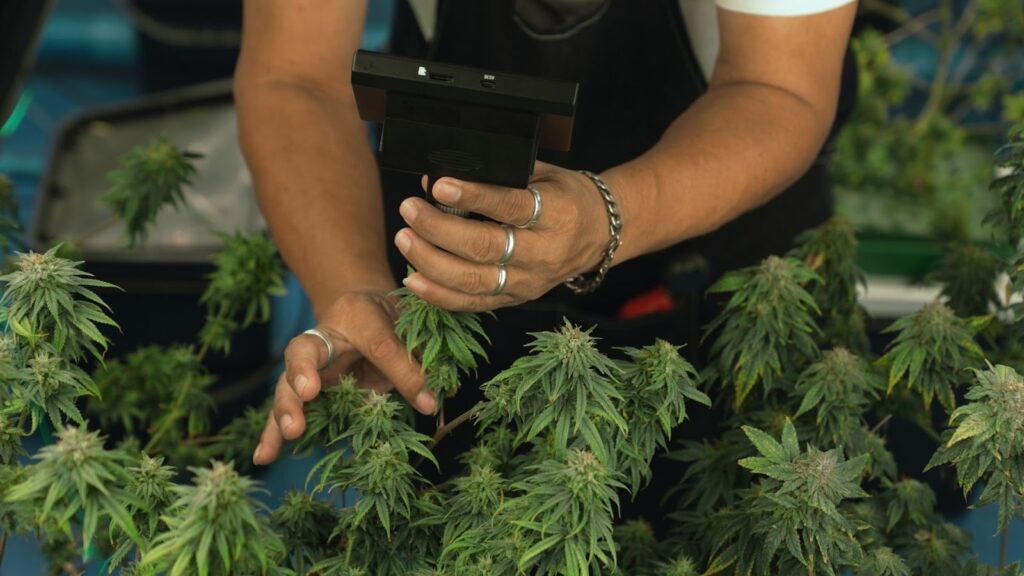
- Drying Racks and Hanging Systems: Use hangers, ropes, or dedicated drying racks to suspend branches or buds. Ensure spacing allows airflow around all sides to prevent uneven drying.
- Hygrometers and Thermometers: Monitor temperature and relative humidity closely. Digital hygrometers with alerts help maintain 60–70°F and 45–55% RH, reducing the risk of over-drying or mold.
- Airflow Equipment: Clip-on or oscillating fans improve air circulation, preventing stagnant pockets that can harbor mold. Avoid direct wind on buds, which can dry them too fast.
Proper drying tools maintain a controlled, consistent environment and protect buds during this critical first stage.
Curing
Curing requires precision to enhance flavor, aroma, and potency. Tools focus on controlled storage and monitoring rather than moisture removal.
- Airtight Jars and Specialized Containers: Glass jars or purpose-built curing containers keep buds at a stable moisture level. Airtight storage slows chemical changes, allowing terpenes and cannabinoids to mature.
- Hygrometers for Monitoring Humidity: Small digital hygrometers inside jars ensure RH stays around 55–65%. Regularly check readings and “burp” containers to release excess moisture during the first 1–2 weeks.
- Environmental Control Equipment: Room thermostats, humidifiers, or dehumidifiers help maintain consistent temperature and RH for larger curing setups. Maintaining stable conditions prevents mold while optimizing flavor and potency.
From hygrometer readings to burping schedules, PlanaCan centralizes all your post-harvest tracking. Your team can see what’s due, adjust conditions, and maintain optimal drying and curing environments—all from a single platform.
Suggested read: Step-by-Step Guide to Drying and Curing Cannabis Buds in Glass Jars for Enhanced Potency
Simplify Post-Harvest Management Using PlanaCan
Managing post-harvest processes can be overwhelming, with precise humidity, temperature, and timing requirements for each strain. PlanaCan simplifies this with:
- Centralized Scheduling: Plan drying and curing tasks for each harvest in advance.
- Environmental Tracking: Log temperature, humidity, and airflow to maintain optimal conditions.
- Team Coordination: Assign responsibilities, track progress, and ensure everyone knows what to do.
- Data-Driven Decisions: Analyze past harvests to refine processes, reduce errors, and maximize potency, flavor, and yield.
With PlanaCan, post-harvest management becomes predictable and stress-free, helping cultivators achieve higher quality results consistently.
Conclusion
Mastering the difference between drying and curing is essential for producing high-quality cannabis.
Proper drying removes excess moisture and protects buds from mold and pests, while careful curing enhances flavor, aroma, potency, and smoothness. Paying attention to environmental conditions, monitoring progress, and avoiding common mistakes ensures your harvest reaches its full potential.
Tools like PlanaCan make managing these post-harvest processes easier, allowing you to track schedules, monitor humidity, and maintain consistency across every batch.
Schedule a free call today to see how PlanaCan can help you optimize drying and curing for superior results.
FAQs
1. What is the difference between drying and curing cannabis?
Drying is the first step after harvest, where excess moisture is removed from the buds to prevent mold and mildew. Curing comes after drying and involves storing buds in airtight containers to allow chemical processes that enhance flavor, aroma, and potency. Together, they prepare cannabis for long-term storage and optimal quality.
2. Why is curing important after drying?
Curing breaks down chlorophyll and other compounds, reducing harshness and improving the smoothness of the smoke. It also preserves and enhances terpenes, which are responsible for the aroma and flavor of the cannabis. Without curing, buds may taste grassy and lack full potency.
3. How can I tell when my cannabis is properly dried?
Buds are properly dried when small stems snap rather than bend, and the exterior feels dry but not brittle. Leaf texture should be papery, and aroma should be pronounced without a damp or grassy smell. Over-drying can reduce potency and flavor, so regular checks are important.
4. What are common mistakes to avoid during drying and curing?
Drying too fast with high heat or low humidity, curing in improper containers, and overhandling buds are the main mistakes. Ignoring environmental conditions like temperature and humidity can also compromise quality. These errors can lead to mold, reduced potency, or poor flavor.
5. Can I cure cannabis without drying it properly?
No, curing wet or improperly dried buds can cause mold and mildew growth. Proper drying is essential to set the stage for safe and effective curing. Skipping this step risks damaging the entire harvest.