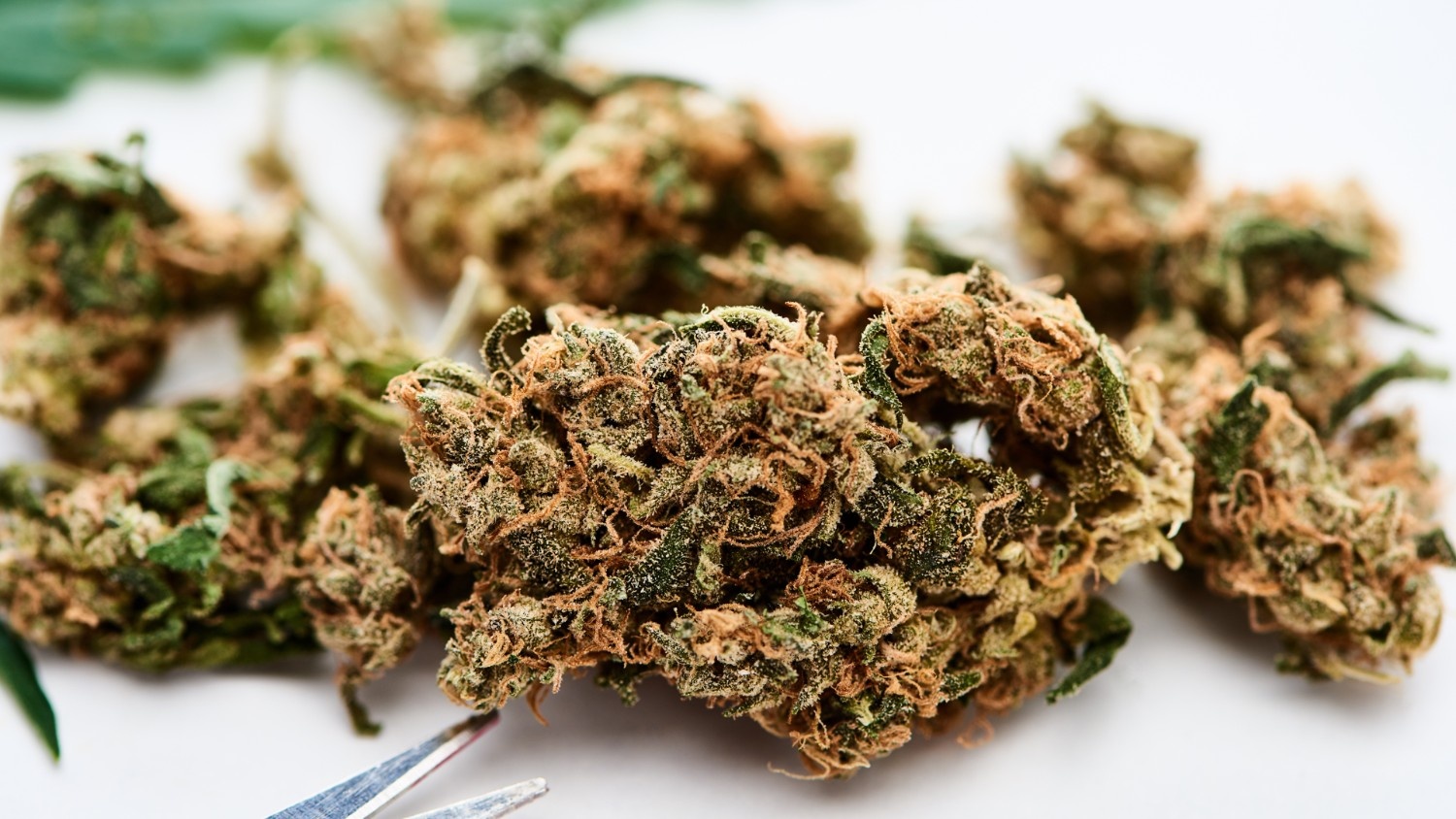
Direct light fuels photosynthesis, which drives bud formation, resin production, and cannabinoid synthesis. Studies show that cannabis plants exposed to sufficient direct light can increase yields as compared to shaded or indirect lighting.
For cultivators, understanding why buds need direct light and how to provide it effectively can make the difference between a sparse harvest and dense, potent flowers. In this guide, we explore the top five reasons cannabis buds thrive under direct light and how growers can optimize exposure.
In short:
- Direct light is essential for cannabis buds as it drives photosynthesis, enhances trichome production, improves resin content, and supports dense, high-quality flowering.
- Understanding light’s impact helps prevent underdeveloped buds, uneven growth, and lower potency, ensuring your cultivation efforts are practical and efficient.
- Measuring light intensity accurately ensures plants receive optimal energy, preventing light stress or insufficient exposure that can affect yield and quality.
- Providing the right type and duration of light, whether natural or artificial, promotes bud density, uniform growth, and maximizes cannabinoid and terpene profiles.
- Avoiding common lighting errors like overexposure, underexposure, or inconsistent photoperiods safeguards bud development and supports consistent, healthy harvests.
Impact of Light on Cannabis Bud Formation and Quality
Light acts as a biochemical driver of bud structure, potency, and resin production. During the flowering stage, light intensity and spectrum directly influence how cannabis allocates energy toward inflorescence development.
Key impacts of light on bud formation include:
- Flowering and Energy Allocation: Red and blue light wavelengths activate plant receptors that signal when to flower and where to send energy, helping the plant prioritize bud growth over leaves and stems.
- Photosynthesis and Bud Size: Strong, direct light stimulates photosynthesis at the bud sites, giving the plant more energy to build larger, denser flowers.
- Trichome and Cannabinoid Production: UV and blue light stimulate the plant’s natural defense systems, which leads to more trichomes and higher levels of cannabinoids and terpenes.
- Ripening Consistency: Even lighting across the canopy helps all buds mature at the same pace, while shaded areas often lag behind and ripen unevenly.
- Humidity and Disease Prevention: Consistent light exposure improves airflow and lowers humidity around bud sites, reducing the risk of mold, mildew, and rot.
When you see the impact firsthand, it becomes clear how each beam of light contributes to potency, aroma, and overall yield. Next, we will break down the main ways direct light actively benefits your cannabis buds and why optimizing it matters for every grow.
Suggested Read: Step-by-Step Guide to Advanced Cannabis Cultivation Techniques
Top 5 Benefits of Direct Light on Cannabis Buds
Alt text:Top 5 Benefits of Direct Light on Cannabis Buds
Direct light actively influences growth patterns, chemical composition, and resilience. Understanding these benefits helps growers optimize their lighting strategies for stronger, more potent, and visually appealing flowers.
These are five ways direct light contributes to superior bud development.
1. Maximized Bud Density
Direct light encourages compact flower growth by stimulating stronger internodal development and reducing airy spaces between calyxes. Denser buds are more potent and visually appealing, which is crucial for marketable quality.
- Promotes tighter calyx formation and reduced leaf separation.
- Enhances stem rigidity, allowing buds to grow heavier without drooping.
- Reduces stretch in flowering, keeping the plant structure optimal.
The calyx is the part of the cannabis bud that holds the most trichomes. It’s where the flavor, potency, and smoothness come from.
2. Enhanced Cannabinoid and Terpene Production
Light intensity influences the plant’s secondary metabolism, driving higher levels of THC, CBD, and terpenes. More direct light signals the plant to invest energy into chemical defenses and aroma compounds.
- Stimulates glandular trichome formation on buds.
- Increases terpene biosynthesis, improving aroma and flavor profile.
- Raises cannabinoid content, leading to more potent harvests.
3. Accelerated Flowering and Development
Direct light regulates photoperiod cues that control the flowering timeline. Plants receiving consistent, optimal light progress through flowering more efficiently, which can shorten harvest cycles and increase annual yield.
- Synchronizes flowering across multiple colas for uniform harvest.
- Encourages quicker bud maturation without compromising quality.
- Supports faster energy transfer to reproductive structures.
Photoperiod cues are signals that plants receive based on the length of light and dark periods in a 24-hour cycle. These cues help cannabis determine when to switch from vegetative growth to flowering.
4. Improved Nutrient Uptake
When buds receive adequate direct light, leaves and stems convert energy more efficiently, allowing better sugar transport to flowers. This translates to fuller, denser buds and an overall healthier plant.
- Enhances carbohydrate allocation to growing buds.
- Supports stronger root-to-shoot nutrient flow.
- Reduces risk of nutrient deficiencies during critical flowering stages.
PlanaCan helps growers stay on top of nutrient schedules with automated task planning and real-time calendar tracking. Its centralized team tools ensure that feeding routines, lighting adjustments, and crop notes are clearly communicated and never missed. Schedule a free call today.
5. Resistance to Mold and Bud Rot
Direct light improves airflow and reduces moisture accumulation on and around buds. Denser, well-lit buds are less prone to fungal infections and other environmental stressors.
- Encourages quick drying of surface moisture on leaves and flowers.
- Strengthens cell walls for better pathogen resistance.
- Helps maintain optimal microclimate in dense canopy areas.
To consistently achieve these benefits, growers need to know exactly how much light their plants are receiving. Accurate measurement allows you to fine-tune placement, prevent energy loss, and avoid stress that could compromise flowering.
Suggested Read: Understanding Why Buds Become Light and Fluffy After Drying
Steps to Measure Light Intensity Accurately
Alt text:Steps to Measure Light Intensity Accurately
Accurate measurement helps growers maintain ideal energy levels for photosynthesis, flowering, and resin formation. Overexposure can stress plants, while underexposure limits bud development and cannabinoid production.
This is how you can accurately measure the direct light intensity on your plants:
- Use a PAR Meter: Measures Photosynthetically Active Radiation to determine how much usable light reaches your canopy.
- Check PPFD Values: Photosynthetic Photon Flux Density indicates light intensity per square meter; ideal ranges vary by growth stage.
- Map Light Distribution: Measure at multiple points across your grow area to identify hotspots or shadowed zones.
- Record and Adjust: Log readings over time and adjust height, reflectors, or light type for consistent coverage.
- Monitor Light Duration: Combine intensity with photoperiod tracking to ensure plants receive the right total light exposure.
With PlanaCan, you can track light schedules, canopy coverage, and growth changes all in one place. Its planning tools help you monitor adjustments over time to ensure optimal light exposure. Stay on top of your cultivation and maximize bud quality without missing a beat. Schedule a free call today.
Best Ways to Provide Optimal Direct Light
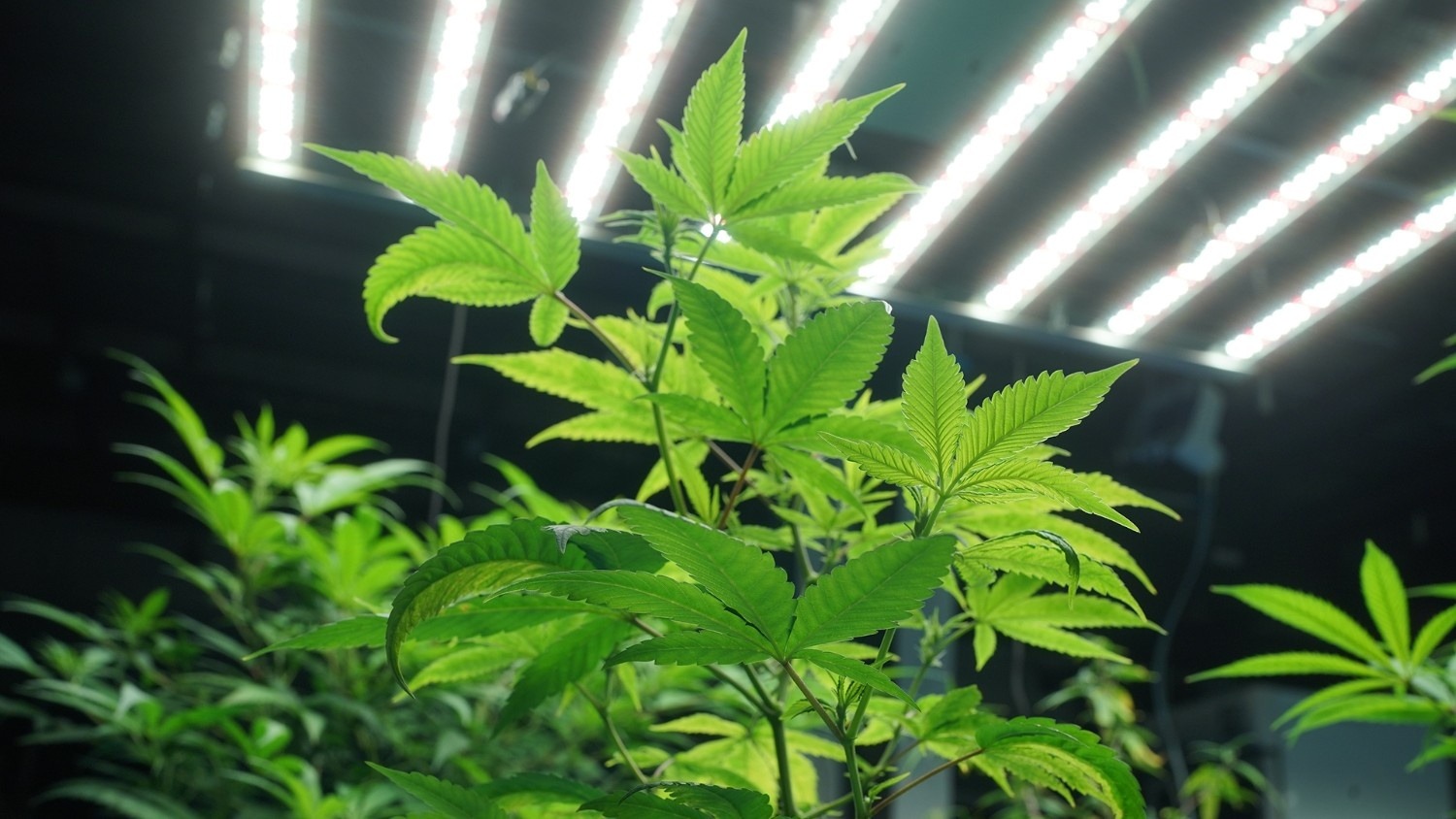
Alt text:Best Ways to Provide Optimal Direct Light
Giving cannabis buds the right amount of direct light requires more than just turning on a lamp. Proper placement, timing, and intensity all contribute to strong bud development, enhanced cannabinoid production, and consistent flowering.
These are a few ways to optimize the light setup:
- Choose the Right Light Type: LEDs, HPS, and CMH lights each have different spectrums and penetration. Select based on the grow space and stage.
- Adjust Light Height: Keep lights at recommended distances to prevent stretching or light burn while maximizing canopy coverage.
- Reflective Surfaces: Use mylar, white walls, or reflective panels to bounce light evenly across your plants.
- Implement Photoperiod Control: Maintain consistent light/dark cycles to support flowering and prevent light stress.
- Supplement with Natural Sunlight: For outdoor or greenhouse grows, combine artificial and natural light to enhance growth without overexposure.
Properly applying these techniques ensures your plants get maximum energy for bud formation. But there are still mistakes you need to avoid, or you could lose your entire harvest.
Suggested Read: How to Grow Medical Marijuana: Step-by-Step Guide
Lighting Errors That Can Sabotage Bud Development
Improper lighting can stunt growth, reduce cannabinoid content, and lower yields. Understanding common mistakes and their effects helps growers avoid costly setbacks.
This table summarizes the most frequent lighting errors, their impact, and how to address them:
By addressing these issues proactively, you can maintain an even, consistent environment for optimal bud development.
Additional tips to avoid lighting issues:
- Regularly Inspect Canopy: Check for signs of burn, stretching, or shading.
- Measure Light Intensity: Use a PAR meter or light sensor to ensure proper levels.
- Adjust as Plants Grow: Raise or lower lights based on plant height and development.
These lighting and workflow mistakes don’t just affect bud quality. They ripple through your entire grow cycle. Missed tasks, poor timing, and inconsistent communication can undermine even the best lighting setups. That’s where PlanaCan comes in.
Suggested Read: Tips on Outdoor Cannabis Growth from Seed to Harvest
Monitor Bud Health and Light Exposure With PlanaCan
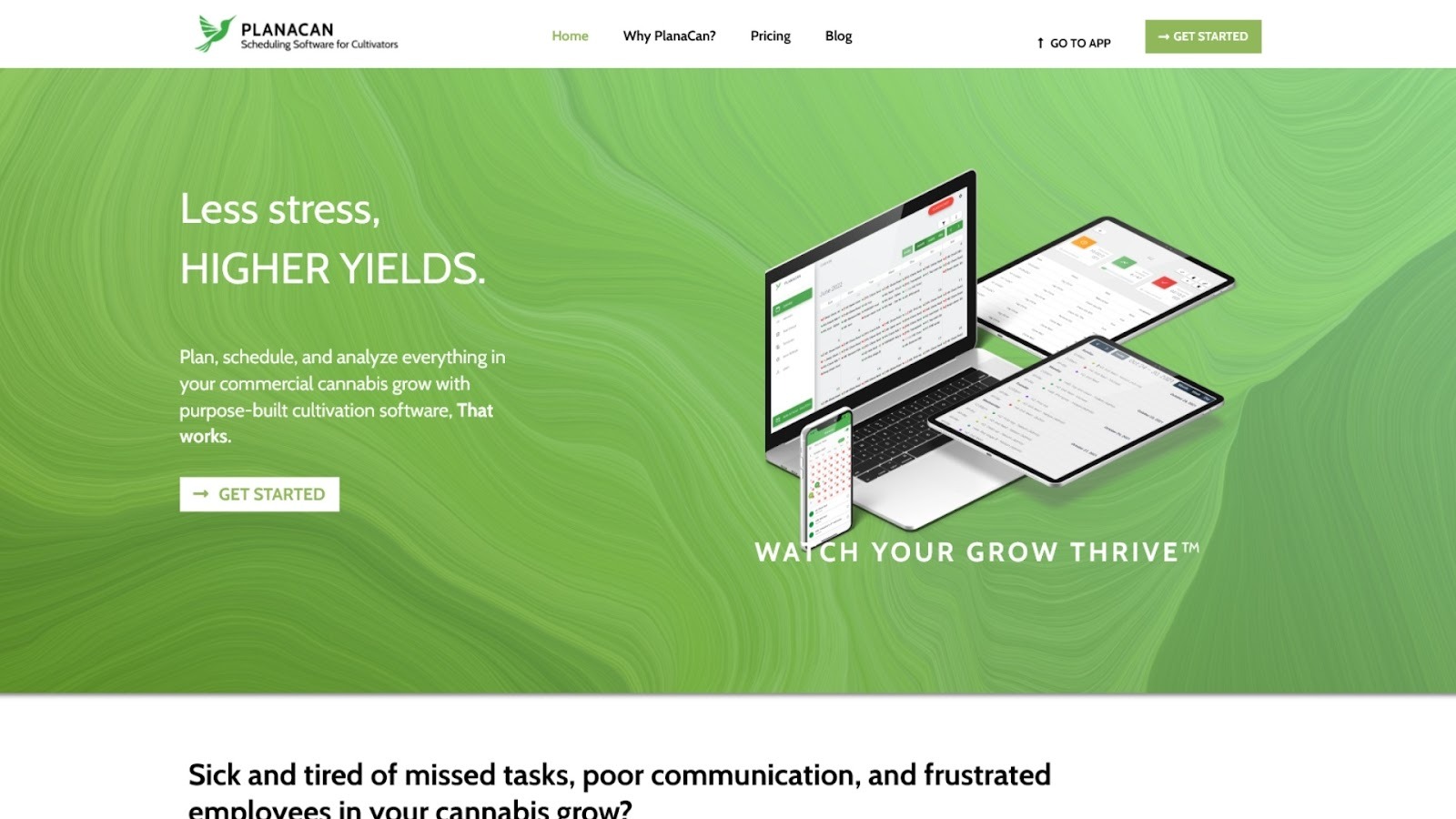
Alt text:Monitor Bud Health and Light Exposure With PlanaCan
PlanaCan is a leading cultivation management software designed to help growers organize every aspect of their operation, from task planning to harvest tracking.
With PlanaCan, you can use AI to schedule light checks, track growth stages, and manage team responsibilities in one centralized platform.
These are a few helpful features to ensure your buds always receive the care they need:
1. Automated Work Scheduling
PlanaCan lets you create a calendar of tasks for daily, weekly, or monthly operations. By scheduling light inspections, feeding, and other maintenance, you reduce missed steps and ensure consistent care.
2. Interactive Calendar for Planning
The interactive calendar offers a clear visual timeline for all cultivation activities. Easily plan light adjustments alongside other tasks to prevent overexposure or insufficient lighting.
3. Team Collaboration Tools
Your team can access task lists and notes from mobile devices, ensuring everyone is aware of when and how to check light exposure or make adjustments.
4. Harvest Analysis and Reporting
Track yields and correlate them with light schedules and other environmental variables. This helps identify which lighting setups contribute most effectively to high-quality buds.
5. Customizable Templates
Use templates to standardize lighting checks, feeding schedules, and growth monitoring. Templates help new or small teams follow best practices consistently.
PlanaCan offers a free trial period for all paid versions, allowing growers to explore the full suite of AI-driven planning and task management tools. Whether you manage a small-scale grow or a commercial operation, this trial lets you experience the benefits before committing.
Conclusion
Proper light exposure is necessary for developing dense, resin-rich cannabis buds. Even small lapses in scheduling or tracking can reduce quality and yield. Consistency, monitoring, and planning are essential to ensure your plants thrive under optimal conditions.
PlanaCan helps growers maintain that consistency by centralizing task management, light tracking, and growth reporting. You can identify patterns that work, refine processes, and prevent mistakes before they impact your harvest.
Explore customizable calendars, templates, and harvest reports. Sign up for a flexible free trial and experience optimized cultivation management. Schedule a free call today.
Frequently Asked Questions
1. Can the light spectrum affect the terpene profile of cannabis buds?
Yes. Different wavelengths can influence terpene synthesis, with blue light promoting certain aromas and red light enhancing others, ultimately affecting flavor and aroma profiles.
2. How does light intensity affect resin production in cannabis?
Higher light intensity can increase resin production, as plants produce more trichomes to protect themselves from UV stress, enhancing potency and overall quality.
3. Is it better to provide direct light or diffused light for outdoor cannabis buds?
Direct sunlight maximizes photosynthesis and bud density, while diffused light can reduce heat stress; a combination, depending on climate, is often ideal.
4. Can artificial light schedules impact flowering consistency in cannabis?
Yes. Improper photoperiods can delay flowering or trigger stress, reducing bud quality. Consistent day/night cycles are essential for predictable flowering.
5. Do cannabis plants require different light levels during the early bud formation stage versus late flowering?
Yes. Early bud formation benefits from moderate intensity to stimulate growth without stressing the plant, while late flowering thrives under higher intensity to maximize trichome development and density.