Commercial cannabis batches tend to fail safety standards due to microbial contamination during drying. In regulated markets, dried cannabis flower must often register 10,000 colony-forming units per gram (cfu/g) or less of yeast and mold to be considered safe and marketable. This threshold can be breached easily when moisture is not properly controlled.
This risk matters because mold and excessive yeast pose a threat to consumer safety and legal compliance. It also undermines product quality, shelf life, and brand reputation. Inconsistent humidity during the drying phase is a core driver of these failures, making reliable dehumidification a key operational concern for commercial growers.
In this article, we explain why commercial growers rely on dehumidifier cannabis drying. We outline nine reasons it is essential for consistent, high-quality post-harvest results.
A quick snapshot:
- Drying is a critical control point. Poor humidity management during drying can undo cultivation work, increase microbial risk, and disrupt post-harvest timelines.
- Direct moisture removal is required. Dehumidifiers actively remove water vapor released by harvested plants, which passive airflow and temperature control cannot do reliably.
- Precise humidity control reduces variability. Holding relative humidity within a narrow range stabilizes drying speed, limits microbial pressure, and improves consistency across rooms.
- Cultivar and room differences change drying behavior. Dense flower structures, staggered harvests, and fluctuating room loads require adjustable humidity control to avoid uneven outcomes.
- Execution determines consistency. Without structured workflows and coordinated team actions, drying results vary even when the right equipment is in place.
Need for Humidity Control in Cannabis Drying
The drying phase determines how much of the plant’s potential is actually transferred to the finished flower. Aroma, structure, burn quality, and overall consistency are all shaped by how moisture is removed after harvest.
When humidity is controlled, drying becomes a refinement step rather than a risk management exercise. It helps towards:
- Aroma Development: Stable humidity allows terpenes to express gradually, preserving the depth and complexity developed during cultivation.
- Flower Structure: Controlled drying helps maintain bud integrity, preventing collapse, brittleness, or uneven texture in the finished product.
- Smooth Consumption: Even moisture release supports a cleaner burn and smoother experience by avoiding harshness caused by rushed or uneven drying.
- Finish Consistency: Predictable humidity creates uniform results across batches, rooms, and harvest cycles.
- Shelf Stability: Properly dried flower retains its quality longer, preserving aroma and structure throughout packaging, storage, and distribution.
When growers have direct control over humidity, drying shifts from a variable phase to a repeatable process. The next section explains why commercial growers rely on dehumidifier cannabis drying to consistently deliver high-quality flower.
Suggested Read: Optimal Humidity and Temperature for Storing Cannabis: A Guide
9 Reasons to Invest in Dehumidifiers for Cannabis Drying Rooms
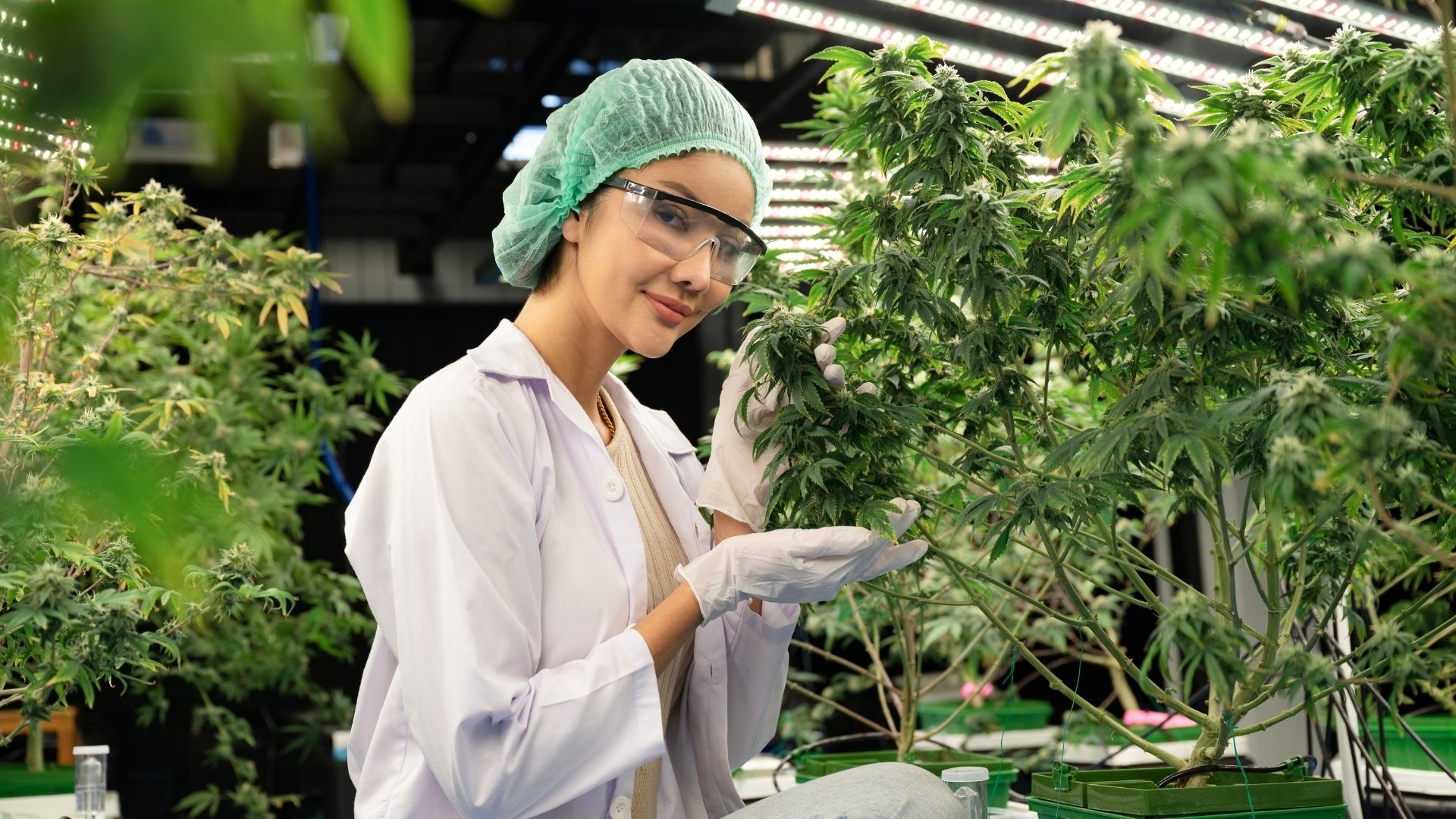
Dehumidifiers provide direct, purpose-built control over humidity during a phase where airflow and temperature management alone are insufficient.
This is why commercial facilities treat dehumidification as core drying infrastructure:
1. Direct Control Over Moisture Removal
Drying is defined by how moisture exits the flower over time. Dehumidifiers remove water vapor directly from the air, allowing drying conditions to be managed without relying on indirect adjustments to temperature or airflow. This control is essential during multi-day drying cycles.
When moisture removal is not directly controlled, the following issues often appear:
- Uneven drying across racks or zones, creating inconsistent moisture content
- Internal moisture remains in the flower despite a dry exterior
- Increased batch-to-batch variability that complicates downstream handling
2. Aligns With Testing and Compliance Outcomes
Drying conditions directly influence total yeast and mold test results. Dehumidifiers provide a repeatable way to manage humidity during the phase most critical to microbial outcomes. This alignment reduces variability before samples reach the lab.
When drying conditions are not aligned with compliance requirements, facilities often see:
- Inconsistent pass/fail testing results
- Increased remediation costs
- Delayed product release timelines
3. Relative Humidity Management
Relative humidity governs the rate and uniformity of moisture migration. Dehumidifiers are engineered to maintain humidity within a narrow operating range over extended periods, unlike HVAC systems, which are primarily designed for temperature regulation. This precision becomes increasingly important as room loads and drying durations increase.
When relative humidity fluctuates, operations may experience:
- Dry cycles completing ahead of or behind schedule
- Inconsistent flower texture entering the cure
- Greater reliance on reactive, manual interventions
4. Reduced Mold Pressure During Extended Dry Times
Extended drying windows increase microbial risk when ambient moisture remains elevated. Dehumidifiers continuously lower humidity, reducing environmental pressure that allows mold and yeast to develop. This protection becomes more critical as drying timelines lengthen.
When mold pressure is not actively reduced, facilities may encounter:
- Microbial growth emerging late in the drying process
- Elevated yeast and mold counts at testing
- Product loss was discovered after significant labor and time investment
5. Stability Under Variable Room Loads
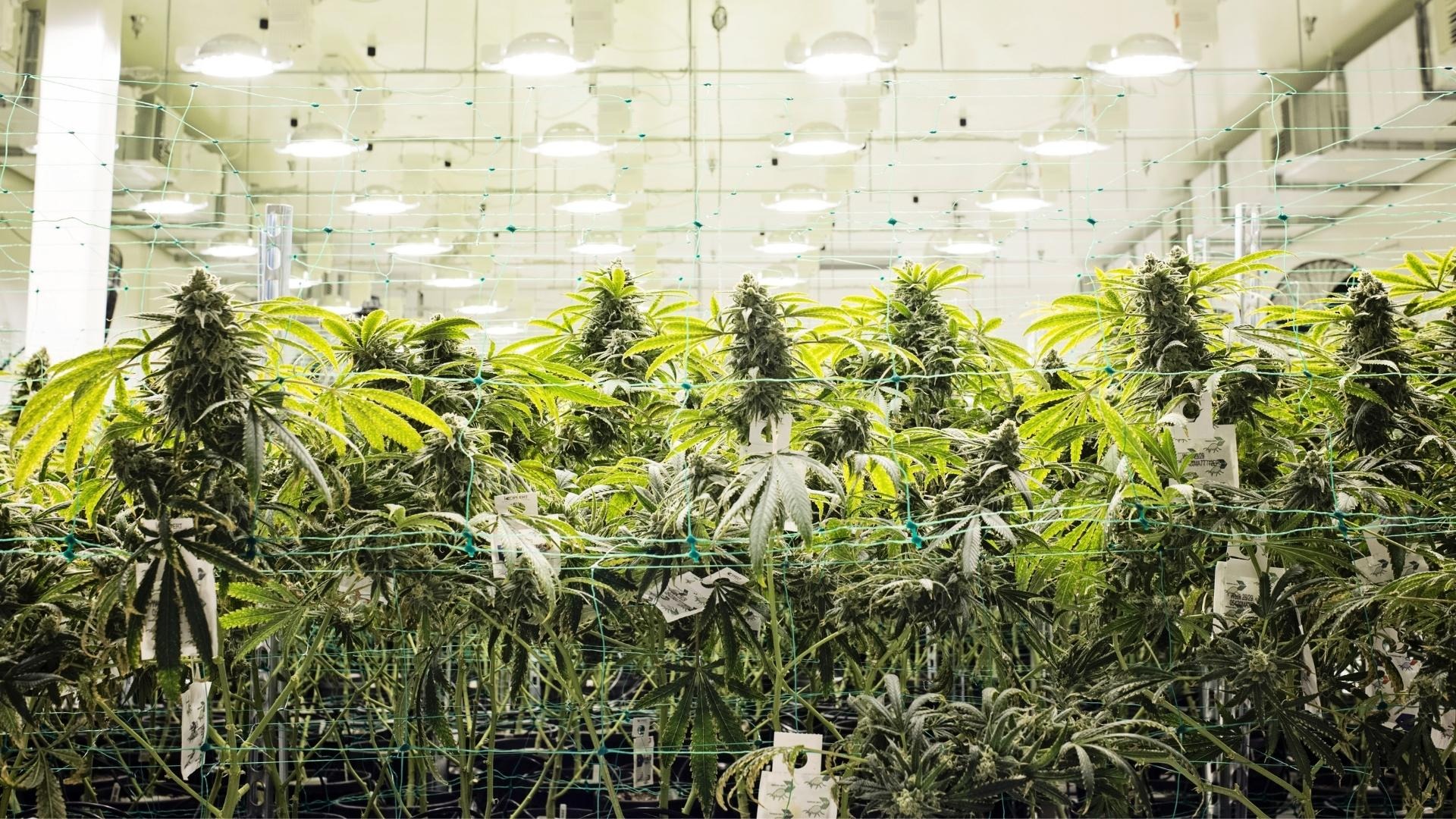
Introducing fresh harvest into a drying room creates an immediate moisture spike. Dehumidifiers are designed to absorb these changes without destabilizing the environment. This stability supports consistent drying even as rooms are loaded, partially emptied, or rotated.
When room-load variability is not managed, common outcomes include:
- Sudden humidity increases that stall drying progress
- Uneven conditions across racks and zones
- Extended drying cycles that disrupt production flow
6. Supports Cultivar-Specific Drying Requirements
Cultivars differ significantly in flower density, resin content, and moisture release behavior. Dehumidifiers allow humidity targets to be adjusted to match these differences rather than forcing uniform conditions across genetics. This flexibility becomes critical in multi-cultivar facilities.
When cultivar differences are not accounted for, the result is often:
- Dense cultivars retaining internal moisture longer than expected
- Lighter cultivars overdry under the same conditions
- Inconsistent quality outcomes across strains
PlanaCan enables growers to design drying workflows that match the unique needs of each cannabis cultivar. By centralizing schedules and controls, it ensures consistency while accommodating strain‑specific moisture and terpene preservation requirements. Try PlanaCan for free.
7. Prevents Moisture Trapping in Dense Flower Structures
Dense flower structures can dry unevenly when humidity is not actively managed. Rapid surface drying can seal moisture inside the flower, creating conditions that allow microbial activity to develop later. Dehumidifiers help maintain conditions that support even moisture migration.
When moisture becomes trapped, operations may see:
- Microbial growth appearing after drying seems complete
- Irregular curing behavior
- Quality degradation during storage or packaging
8. Maintains Control During Staggered Harvest Schedules
Commercial drying rooms often handle staggered harvests rather than single, full-room loads. Dehumidifiers help maintain stable humidity despite partial fills and ongoing material movement. This consistency supports predictable drying outcomes.
When staggered schedules are not supported, facilities may face:
- Variable drying conditions within the same room
- Inconsistent outcomes between batches
- Increased coordination strain on post-harvest teams
9. Protects Against Late-Stage Microbial Growth
Drying does not end when surface moisture is removed. Residual internal moisture can redistribute as conditions change. Dehumidifiers continue to control ambient humidity throughout the entire drying window, limiting late-stage microbial growth.
When late-stage control is insufficient, common consequences include:
- Microbial issues emerging late in the cycle
- Failed yeast and mold tests
- Rework or product loss close to the room turnover
PlanaCan helps you turn controlled drying from an intention into a repeatable process. You can schedule drying-room tasks, standardize post-harvest workflows, and ensure humidity-related actions are executed on time across teams and facilities. Schedule a free demo today.
How to Choose the Right Dehumidifier for Your Operation
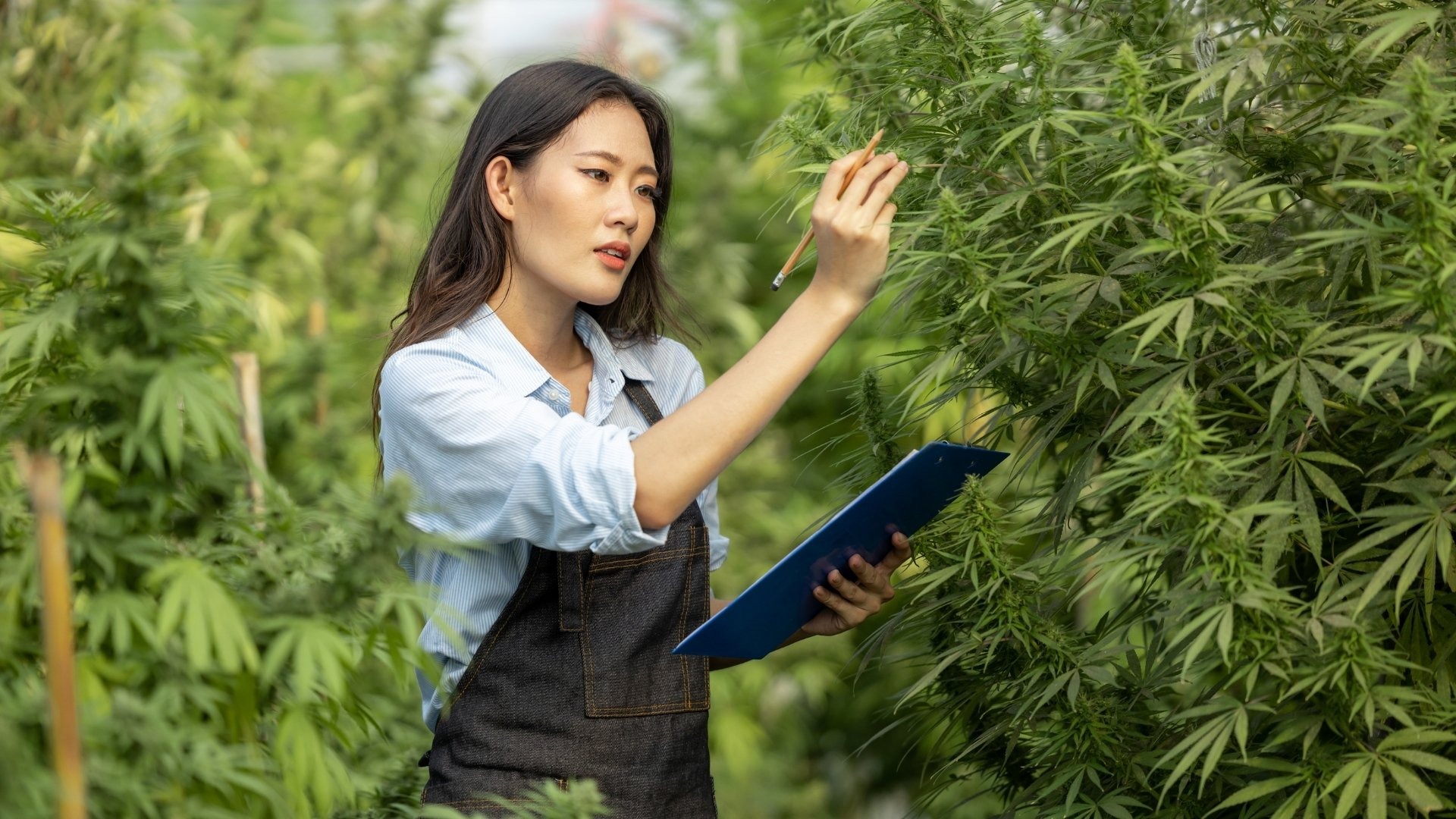
Selecting a dehumidifier for cannabis drying is not a one-size-fits-all decision. The right system depends on room size, harvest volume, cultivar mix, and how drying rooms are used over time.
When evaluating dehumidifiers for drying rooms, the following factors should guide the decision:
- Moisture Removal Capacity
The unit must be sized to handle peak moisture loads when fresh harvest enters the room, not average conditions. Undersized systems struggle to recover after load spikes, leading to prolonged high-humidity periods. - Consistency Over Continuous Operation
Drying cycles run for days or weeks without interruption. Equipment should be designed for sustained operation without performance degradation or frequent downtime. - Integration With Room Layout
Airflow patterns, rack density, and ceiling height affect how evenly humidity is removed. Dehumidifiers must be positioned and specified to avoid creating dry or wet zones within the room. - Scalability Across Facilities or Rooms
For multi-room or multi-facility operations, consistency matters. Standardizing dehumidification equipment simplifies training, monitoring, and process replication. - Maintenance and Reliability Profile
Filters, coils, and condensate handling must be accessible and serviceable. Equipment failures during drying introduce an immediate risk that is difficult to correct mid-cycle.
Without structured drying workflows, timing discipline, and execution controls, even well-sized equipment can produce inconsistent results. That is where dehumidification begins to break down operationally.
Suggested Read: Lowering Humidity in a Grow Tent Without a Dehumidifier
Risks of Dehumidification Without Proper Cannabis Drying Controls
Dehumidifiers address humidity, but they do not manage the process on their own. In commercial drying rooms, outcomes depend on when equipment is used, how conditions are adjusted over time, and whether teams execute consistently.
When dehumidification is not paired with structured drying controls, the following risks commonly emerge:
- Inconsistent Execution Across Shifts: Drying conditions may be adjusted differently by different operators, leading to variability that equipment alone cannot correct.
- Missed or Delayed Drying Actions: Tasks such as setting targets, checking conditions, or transitioning between drying phases can be missed or performed late, allowing humidity issues to persist longer than intended.
- Poor Coordination Between Harvest and Dry Rooms: When harvest timing and dry room readiness are misaligned, moisture loads overwhelm dehumidification capacity, destabilizing conditions.
- Lack of Visibility: Without clear records, it becomes difficult to trace drying outcomes back to specific actions, timing decisions, or environmental changes.
- Reactive Adjustments: Teams often respond to problems after they appear, rather than following a defined drying plan that anticipates changes in room load and moisture release.
- Difficulty Replicating Successful Drying Runs: Even when a drying cycle goes well, the absence of documented execution makes it hard to repeat those results consistently.
These risks are not caused by dehumidifiers themselves. They emerge when drying relies on memory, informal communication, or manual tracking instead of structured execution.
This is where cultivation management software becomes essential, providing the layer that connects drying plans, team actions, and real-world execution into a repeatable system.
Suggested Read: Tips for Controlling Humidity in Curing Jars for Cannabis
Scale Cannabis Drying Consistency with PlanaCan

PlanaCan is cultivation execution software built specifically for commercial cannabis operations. It helps connect drying plans to day-to-day execution by giving teams shared visibility into schedules, tasks, and responsibilities. This structure makes drying more predictable as operations scale.
PlanaCan helps maintain drying consistency by enabling growers to:
- Plan Drying Workflows With Calendars: Use cultivation calendars to schedule drying phases, room transitions, and key post-harvest tasks, ensuring clear, repeatable timelines.
- Coordinate Teams Across Shifts: Team management tools ensure that drying responsibilities are clearly assigned, reducing missed steps and inconsistencies between shifts.
- Execute Tasks on the Floor With Mobile Apps: iOS and Android apps let teams view tasks, update status, and stay aligned while working in drying rooms.
- Maintain Visibility Into Drying Execution: Track what was completed, when it happened, and where delays occurred, creating accountability during critical drying windows.
- Standardize Drying Processes: Apply consistent drying workflows across rooms or facilities while retaining flexibility for cultivar-specific or room-specific adjustments.
PlanaCan is made for growers who need drying outcomes to remain consistent as teams, facilities, and harvest volumes grow.
Conclusion
Drying is the process by which cultivation results are either preserved or undone. When humidity is poorly controlled, even well-grown flowers can lose quality, fail testing, or require costly rework. Inconsistent drying introduces risk at the very point where the harvest should be transitioning smoothly into finished inventory.
PlanaCan helps bring structure and repeatability to this critical phase. By connecting drying plans, calendars, and team execution into a single system, it reduces variability caused by missed steps, miscommunication, or inconsistent timing. This allows drying outcomes to reflect cultivation intent rather than operational guesswork.
Start turning drying consistency into a repeatable operational advantage. Schedule a free call today.
Frequently Asked Questions
1. What is the 60–60 rule for drying cannabis?
The 60–60 rule refers to drying cannabis at roughly 60°F and 60 percent relative humidity. It is a guideline aimed at slowing moisture loss to preserve quality, but commercial growers often need tighter control based on room load and cultivar.
2. Do I need a humidifier or a dehumidifier for cannabis drying?
During drying, dehumidifiers are typically required to remove excess moisture released by harvested plants. Humidifiers may be used in rare cases, but drying rooms usually generate more moisture than they lose.
3. Is 70 percent humidity too high for drying cannabis?
Yes. Sustained humidity around 70 percent during drying significantly increases the risk of uneven drying and microbial growth. Most commercial drying targets stay well below this level to maintain stability and consistency.
4. What is the best environment to dry cannabis flower?
The best drying environment is a controlled room with stable temperature, managed airflow, and active humidity control. This allows moisture to leave the flower gradually and evenly across the entire drying cycle.
5. How long should cannabis dry before curing begins?
Drying time varies based on flower density, room conditions, and harvest volume, but typically ranges from several days to two weeks. The key indicator is internal moisture balance, not a fixed number of days.