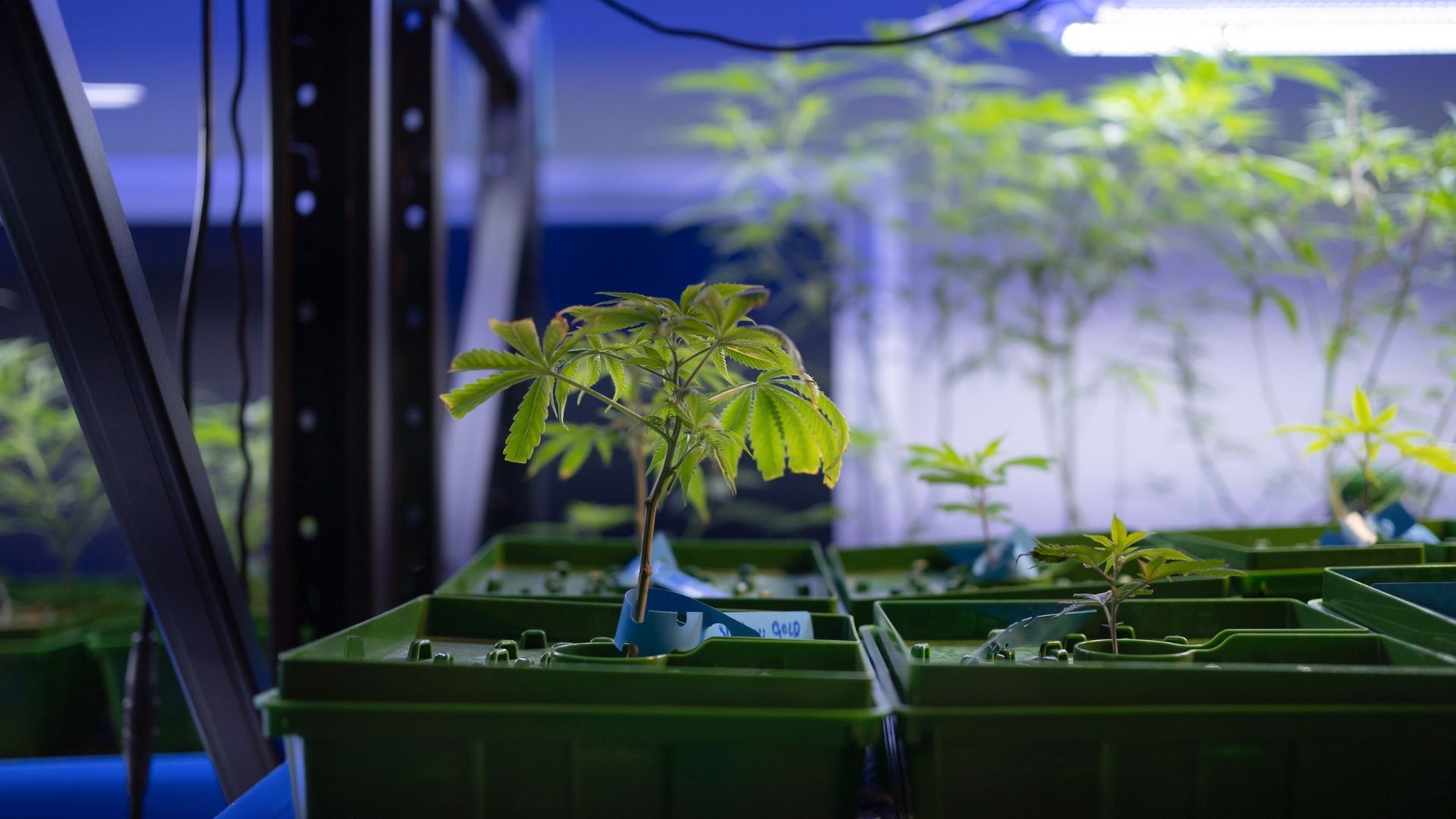
Many cannabis growers struggle with inconsistent yields because their crop cycles are not clearly planned or standardized. This lack of structure leads to uneven plant development, avoidable mistakes, and unpredictable harvest results.
Research shows that planned, sequential cropping systems can increase total yield by about 20% compared with unstructured monoculture approaches.
The same principle applies to cannabis: a disciplined, repeatable crop cycle creates consistency and unlocks higher performance. In this crop cycle planning guide, we will explain how effective harvest cycles can improve daily operations and maximize yield.
At a glance:
- Crop cycles create consistency. Defining each stage of the cannabis crop cycle ensures predictable development, fewer errors, and more stable harvest outcomes.
- Key stages guide decisions. Each phase from propagation to reset requires structured timelines that align labor, environment, and plant needs.
- Crop steering increases control. Adjusting irrigation and environmental conditions helps direct plants toward structural development or high-quality flower production.
- Data strengthens performance. Tracking environment, irrigation, labor, and harvest outcomes helps growers identify patterns and refine methods.
- Structured planning prevents mistakes. Clear schedules, documented workflows, and consistent execution reduce guesswork and support more reliable harvest cycles.
What Does the Cannabis Crop Cycle Mean for Growers?
A cannabis crop cycle is the complete sequence of stages a plant moves through from propagation to harvest and room reset. It gives growers a structured roadmap that aligns plant development, labor planning, and environmental control.
These are the stages in a harvest cycle:
- Propagation and Cloning: Cuttings are taken from mother plants and rooted to create uniform starters. The focus is on strong early development before plants move to veg.
- Vegetative Growth: Plants build structure through leaf, stem, and branch development. Training and nutrition shape a healthy canopy for flowering.
- Early Flowering: Light cycles shift, and plants begin reproductive growth. Stable conditions support early bud set and healthy transition.
- Mid To Late Flowering: Buds gain weight, density, and cannabinoid expression. Precision in watering, nutrition, and environment directly impacts final quality.
- Harvest: Flowers are removed at peak maturity based on trichome and aroma cues. Correct timing preserves potency and terpene character.
- Drying and Curing: Flowers are dried under controlled conditions to protect cannabinoids and terpenes. Curing enhances aroma, smoothness, and overall quality.
- Room Sanitation and Reset: Rooms are cleaned, disinfected, and prepared for the next run. A proper reset prevents contamination and ensures consistent starting conditions.
Viewing cultivation through these defined stages improves management by linking daily tasks to plant needs. This stage-based approach also connects directly to the key factors that influence crop cycle success.
Suggested Read: NPK Ratio for Cannabis: Ideal Nutrients for Plant Growth
Top Drivers of the Cannabis Harvest Cycle

A single input does not determine a successful harvest cycle. It results from the alignment of environmental control, nutrition, plant structure, labor timing, and overall crop strategy.
These are the key factors influencing the cultivation yield within a crop cycle:
- Genetics and Plant Morphology: Each strain has its own growth pattern, flowering duration, and yield potential.
- Environmental Conditions: Light intensity, temperature, humidity, and VPD directly shape plant development and final flower quality.
- Nutrient and Irrigation Strategy: Balanced feeding and precise watering support predictable growth and prevent stress-related issues.
- Canopy Management and Training: Techniques such as topping, pruning, and trellising help optimize light distribution and bud production.
- Labor Planning and Workflow Timing: Well-timed staffing for tasks such as defoliation, transplanting, and harvest ensures work is completed consistently and without bottlenecks.
These drivers form the foundation for predictable, high-performance crop cycles. You can apply more advanced techniques to fine-tune plant behavior. In the next section, we look at the importance of crop steering.
Suggested Read: Top 8 Things to Know to Start a Commercial Cannabis Grow
The Role of Crop Steering in Maximizing Yield
Crop steering is the practice of adjusting irrigation, nutrition, and environmental conditions to influence whether a cannabis plant prioritizes vegetative growth (leaf and stem development) or generative growth (flower production).
The two major types of crop steering are explained in the table below:
By intentionally guiding plant responses, growers can:
- Improve canopy structure and plant framework.
- Increase bud density and resin production.
- Refine cannabinoid and terpene expression.
- Achieve greater consistency across harvests.
Crop steering is most effective when integrated into a repeatable, stage‑based cultivation plan. PlanaCan supports this by organizing every task, environmental adjustment, and irrigation event into a clear, room-by-room schedule that your team can follow consistently.
With structured templates and real-time task tracking, growers can apply steering strategies accurately and achieve more uniform results across every harvest. Schedule a free demo today.
How to Plan an Effective Cultivation Cycle

A strong cultivation cycle provides the structure needed to guide plant development, environmental control, labor timing, and overall workflow. You can reduce variability and achieve more consistent results from batch to batch.
This is how to get a suitable crop cycle
1. Define Your Production Goals
Setting clear goals determines the yield, quality, and harvest frequency your facility wants to achieve. This is how goals shape the foundation of your entire cycle:
- Align plant count, spacing, and batch size with desired output
- Set quality benchmarks for potency, terpenes, and visual grading
- Establish realistic timelines for vegetative and flowering duration
2. Build a Timeline for Each Growth Phase
A structured timeline ensures that propagation, veg, and flower stages progress consistently and without delays. This is how timelines support predictable operations:
- Assign clear start and end dates for each stage
- Plan environmental changes in advance
- Coordinate labor around high-demand days like transplanting or defoliation
3. Standardize SOPs for Critical Cultivation Tasks
SOPs create uniform execution across your team, reducing errors and stabilizing cultivation outcomes. These points highlight how SOPs strengthen cycle consistency:
- Provide step-by-step instructions for topping, pruning, and IPM
- Ensure irrigation and feeding follow repeatable patterns
- Maintain consistent training, spacing, and canopy structure
4. Map Labor Requirements Across the Cycle
Labor forecasting ensures every stage has the right staffing to execute tasks on time. You need to:
- Identify peak workload days for transplanting, trellising, and harvest
- Assign responsibilities clearly across rooms or zones
- Prevent delays that can impact plant health and yield
5. Create a Multi-Harvest Calendar
A staggered harvest schedule keeps rooms productive and maintains steady output. A calendar can support your operation in the following ways:
- Overlap batches to reduce downtime between runs
- Plan harvest, dry, and reset days well in advance
- Maintain consistent inventory flow for sales and distribution
By planning each of these components upfront, growers build a structure that supports accuracy and predictable performance throughout the crop cycle. The next section shows how to use data to improve your yield.
Suggested Read: Cannabis Growing Calendar: Stages and Timeline
Using Data to Optimize Cannabis Crop Cycles

Data is one of the most powerful tools available to modern cannabis cultivators. It can help you understand what drives yield, diagnose issues faster, and refine your processes across every batch.
You should track the following data:
- Environmental Conditions: Track temperature, humidity, VPD, CO₂, and light intensity to understand how conditions shape plant performance.
- Irrigation Metrics: Monitor volume, frequency, runoff, and dry-back to identify hydration patterns that influence growth and flower density.
- Nutrient Levels: Record EC, pH, and feeding schedules to maintain balanced nutrition and prevent deficiencies or toxicities.
- Labor and Task Timing: Log task completion, staffing hours, and workflow timing to identify operational delays or inconsistencies.
- Harvest and Quality Results: Capture yield, potency, terpene data, and post-harvest quality indicators to evaluate cycle outcomes.
PlanaCan centralizes data across tasks, rooms, and harvests so growers can compare cycles, identify what worked, and make informed improvements. Its visual timelines and trend analytics connect actions to outcomes, enabling continuous refinement across every run.
Costly Crop Cycle Planning Errors to Watch Out For
Small mistakes compound quickly in a controlled environment, leading to uneven plant development, inefficient workflows, and unnecessary production losses. Identifying these issues early helps prevent setbacks and keeps each cycle on track.
Table showing common errors growers make in crop cycling:
These errors often arise when teams rely on memory, whiteboards, or ad-hoc communication rather than structured planning.
Best practices focusing on standardization, clear timelines, consistent documentation, and predictable workflows can reduce guesswork at every stage. This is what you need to do:
- Create a single source of truth so every team member works from the same plan.
- Hold brief stage-change check-ins to realign tasks and expectations.
- Use visual timelines or calendars to keep all rooms and batches synchronized.
- Build repeatable weekly routines that support stability from cycle to cycle.
- Encourage real-time task logging so information is never lost or delayed.
A systemized approach makes it easier to avoid these pitfalls entirely, which is where PlanaCan becomes especially valuable. It organizes timelines, tasks, SOPs, and data in one place, helping growers prevent errors before they affect yield and cycle consistency.
Suggested Read: Understanding Why Buds Become Light and Fluffy After Drying
How Does Planning Software Support Higher Yields?
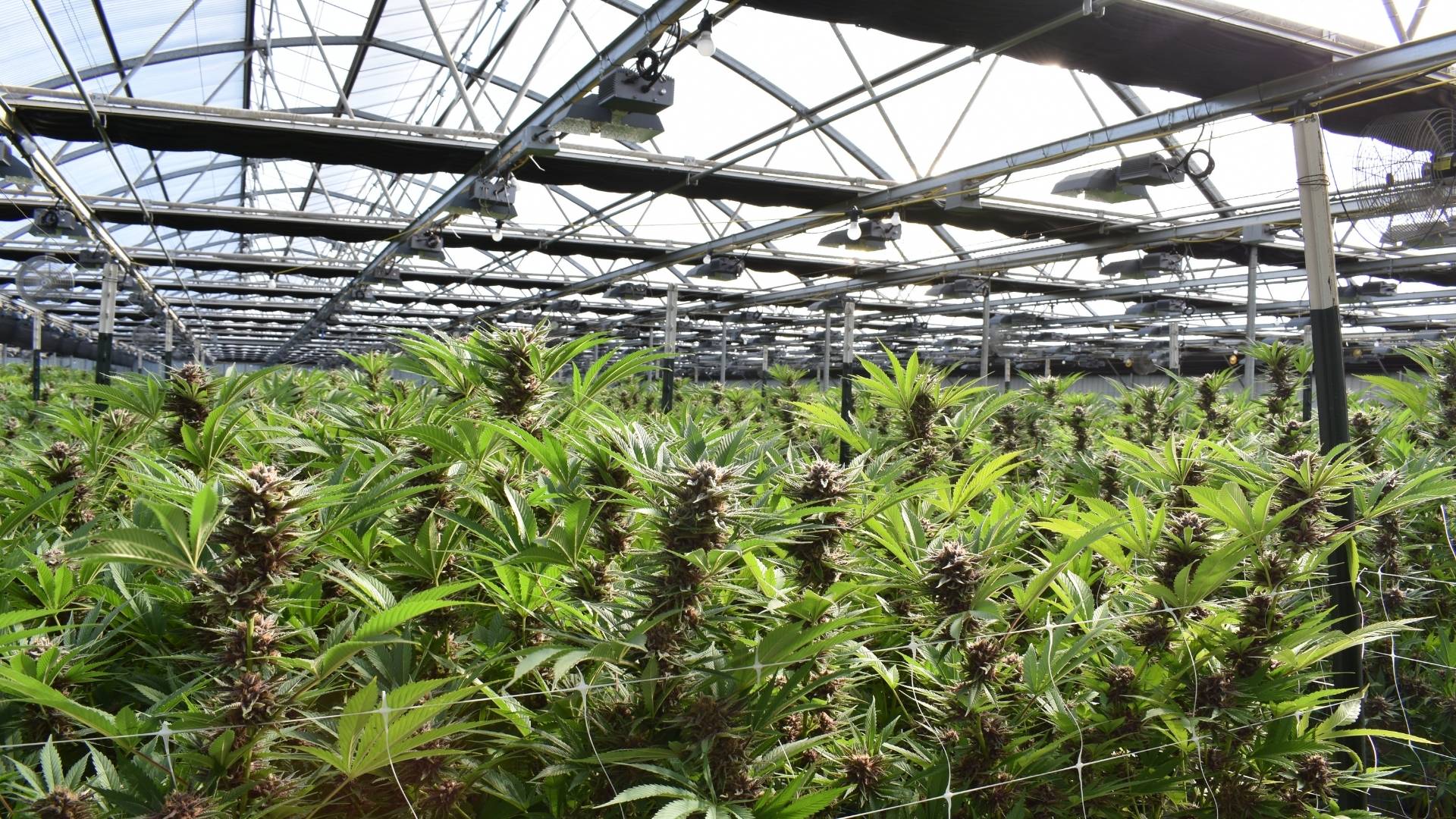
PlanaCan is a cultivation-management platform designed to help you plan, schedule, and execute every stage of your cannabis crop cycle with precision. It brings your timelines, tasks, environmental notes, and harvest data into one system so your entire team can follow the same plan without confusion or missed steps.
PlanaCan helps you maintain consistency across every room, strain, and harvest cycle through the following features:
1. Schedule Management
You can build structured timelines for propagation, veg, and flower, so each stage receives the exact attention it requires. This ensures your crop cycle runs smoothly and prevents delays that compromise yield.
2. Task And SOP Organization
PlanaCan allows you to assign tasks, attach SOPs, and provide detailed instructions so your team executes work the same way every time. This directly supports a predictable crop cycle by reducing variability from person to person.
3. Multi-Harvest Operations
You can map overlapping batches, coordinate resets, and align tasks across multiple rooms. This helps maintain a continuous production rhythm and prevents downtime between cycles.
4. Real-Time Visibility
PlanaCan gives you and your staff instant access to schedules, task lists, and updates through its web platform and dedicated mobile apps. This keeps everyone aligned in real time as plants move through each crop-cycle stage.
5. Data Tracking
You can capture environmental conditions, irrigation details, labor timing, and harvest outcomes in one place. Over time, this helps you refine your crop cycles, understand what works, and improve consistency from run to run.
PlanaCan can help you steer your crop cycle with more control, reduce costly errors, and produce higher-quality harvests more reliably. It brings discipline, structure, and clarity to your cultivation workflow.
Use a free trial to experience how powerful the right planning software can be for your yield, your team, and your facility’s long-term performance.
Conclusion
Tracking crop cycles is essential for consistent, high-quality cannabis production. A cycle-based approach strengthens decision-making, stabilizes yield, and gives your team the structure needed to perform at a professional level.
PlanaCan makes this process even more effective by organizing your timelines, tasks, SOPs, and data into one system. It helps you maintain consistency across rooms, coordinate your team more efficiently, and learn from every harvest.
Explore the platform, test its planning tools, and experience how much smoother your workflow can become. Schedule a free call today.
Frequently Asked Questions
1. How long does a typical cannabis crop cycle take from start to finish?
A full cannabis crop cycle typically ranges from 12 to 16 weeks, depending on strain, facility design, and cultivation strategy. Timelines include propagation, vegetative growth, flowering, harvest, drying, curing, and resetting.
2. What factors determine whether a grower should shorten or extend a flowering period?
Flowering duration depends on genetics, plant health, growth goals, and desired cannabinoid development. Growers may adjust timing based on trichome maturity, targeted quality, and environmental conditions that influence finishing speed and overall ripeness.
3. How many harvests per year can a well-planned cultivation cycle realistically support?
A well-planned indoor cultivation cycle can support four to six harvests annually. The exact number depends on flowering duration, room turnover efficiency, labor scheduling, and how quickly growers can complete reset processes between batches.
4. What is the ideal way to manage crop cycles when growing multiple strains with different flowering times?
Managing multiple strains requires grouping plants by similar flowering durations, adjusting room timelines, and staggering transplant dates. This maintains schedule alignment and prevents conflicts that disrupt crop-cycle consistency or harvest readiness across rooms.
5. How can growers maintain consistency when switching between new genetics or phenotypes?
Consistency begins with detailed tracking of each new genetic line, including growth patterns, feeding needs, and flowering behavior. Gradual integration, comparative data, and refined SOPs help stabilize performance across future cultivation cycles.