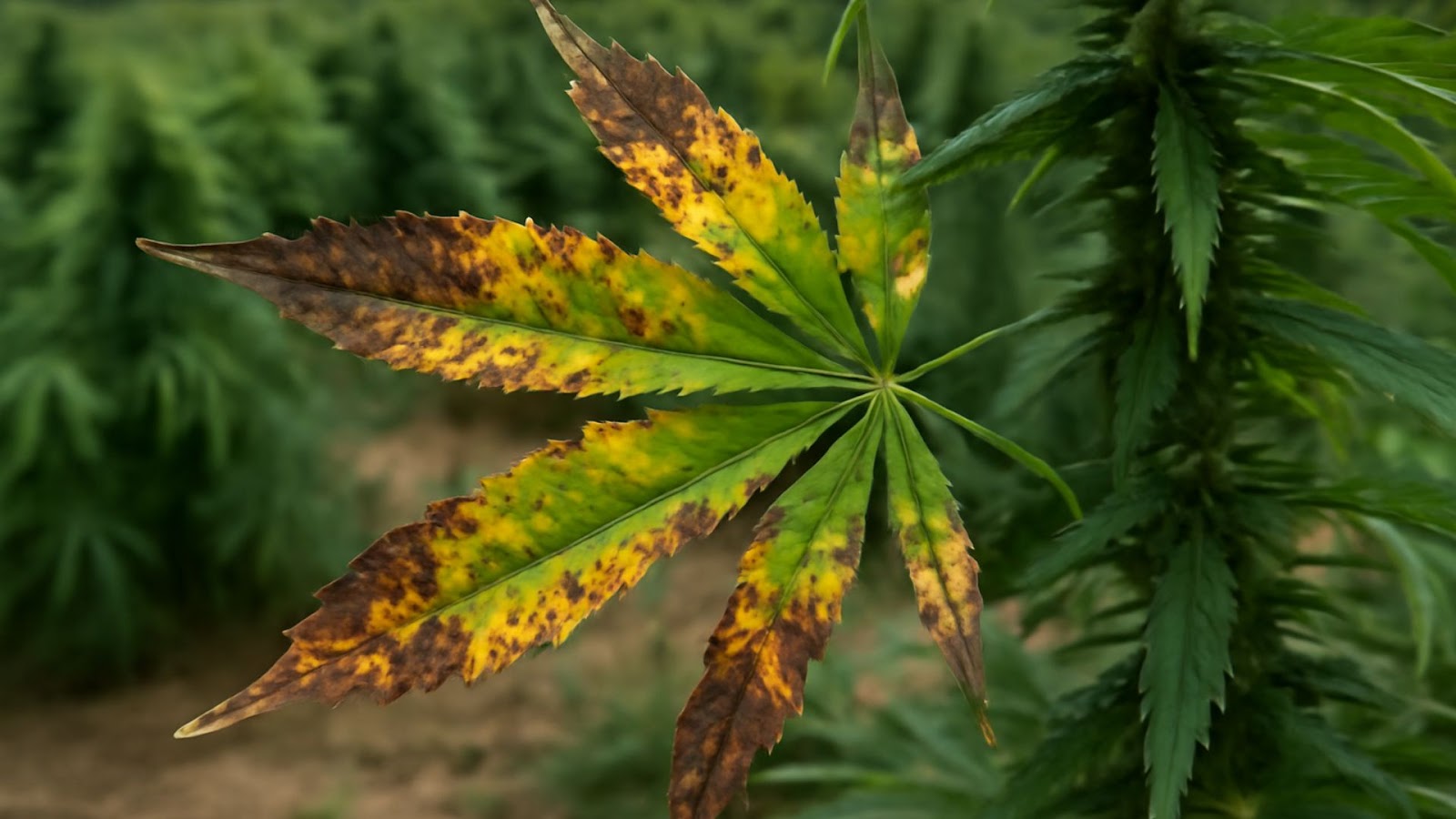
Cannabis growers often find themselves worried when once-healthy green leaves start showing brown edges, yellow tips, or dark spots. Brown spots on leaves are not just cosmetic; they can also indicate underlying health issues.
Left unchecked, leaf burn and spotting can spread quickly, reducing yield and compromising bud quality. Fortunately, leaf burn and spots can be prevented or reversed if you know what to look for and how to respond.
In this guide, we talk about the main causes, treatments, and prevention strategies to keep your cannabis plants thriving.
Here’s the short version:
- Cannabis leaf burn and spotting are signs of nutrient, light, water, or environmental stress. Identifying the root cause early is crucial to preventing widespread damage.
- Untreated leaf burn can reduce photosynthesis, stunt growth, and compromise the entire harvest. Overcorrecting without knowing the cause can worsen plant health.
- Adjust nutrient levels, control light and heat, balance pH levels, manage pests, and prune damaged leaves to aid in recovery.
- Consistent monitoring, proper feeding schedules, environmental control, and preventive pest management reduce the likelihood of leaf burn and spotting.
What Causes Cannabis Leaf Burn and Spots?
Leaf burn and spotting do not happen randomly. They are signals that your cannabis plant is under stress. The causes can vary, but most trace back to a few common issues.
These are:
- Nutrient Imbalance: Too much or too little of nutrients, especially nitrogen, potassium, or calcium, can cause tip burn or spot formation.
- Light Stress: Excessive exposure to grow lights or placing plants too close to the source often leads to bleaching, burns, or crispy edges.
- Watering Issues: Overwatering and underwatering both create stress, leading to nutrient lockout, yellowing, and spots.
- Pests and Diseases: Mites, thrips, fungi, and mold infections often first show up as spots or leaf discoloration.
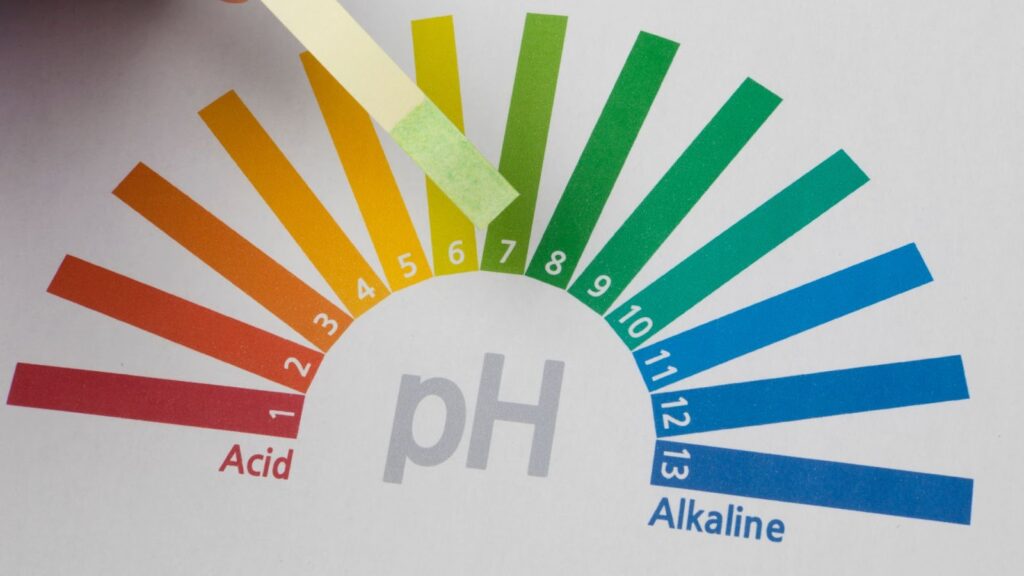
- pH Fluctuations: Incorrect soil or water pH prevents plants from absorbing nutrients properly, leaving visible burns or patchy leaf spots.
When you know what factors trigger damage, the next step is learning how to spot the exact symptoms early before they spread across your canopy.
Identifying Symptoms of Spotted and Burnt Cannabis Leaves
Catching leaf burn and spotting early is critical if you want to prevent lasting damage. These are the most common signs you should keep an eye out for:
- Brown Leaf Tips: Usually the first sign of nutrient burn, appearing as crisp or curling tips.
- Yellow or Pale Spots: These can indicate nutrient deficiencies, pest infestations, or a pH imbalance.
- Burnt Patches Under Lights: Flat, bleached areas caused by too much direct light exposure.
- Rust-Colored or Necrotic Spots: Often linked to calcium, magnesium, or potassium deficiencies.
- Leaf Curling or Crispy Edges: A sign of prolonged stress, usually from overfeeding or heat.
Once you know how to identify these visible red flags, the real task is reversing the damage before it spreads across your crop. That is where targeted treatment steps come in. The next section shows practical ways of reversing burn spots on leaves.
Suggested Read: Cannabis Flowering Stage: Week 8 Guide
How to Treat Cannabis Leaf Burn

Leaf burn is one of the most common problems cannabis growers face, often caused by too many nutrients, incorrect pH, or too much heat. You need to address underlying issues to prevent further damage and allow your plants to recover.
These are a few tips to treat leaf burns:
1. Adjust Nutrient Levels
Overfeeding is the top reason behind leaf burn. Start by reducing the nutrient concentration in your feeding schedule.
- Flush the growing medium with clean water.
- Gradually reintroduce nutrients at lower doses.
- Use a balanced NPK ratio suitable for the growth stage.
2. Maintain Proper pH Balance
Incorrect pH levels make it harder for plants to absorb nutrients, leading to toxic buildup.
- Check pH regularly with a digital meter.
- Aim for 6.0–7.0 in soil and 5.5–6.5 in hydroponics.
- Adjust with pH up or pH down solutions as needed.
3. Control Light and Heat Stress
Excessive light intensity or high temperatures can mimic nutrient burn.
- Raise grow lights if leaves are too close.
- Ensure proper ventilation and airflow.
- Keep grow room temperatures between 70–85°F (21–29°C).
Leaf burn does not have to derail your entire grow. Once you know how to dial back nutrients, balance pH, and control environmental stress, your plants can bounce back stronger. Next, let us look at how to manage a closely related issue: spots on cannabis leaves.
How to Treat Spotted Cannabis Leaves
Spots on cannabis leaves can look alarming, but they are not always a sign of disease. Most often, they come from nutrient deficiencies, pests, or environmental stress. Identifying the cause is key because treating the wrong issue can make the problem worse.
These are a few things you can do:
1. Correct Nutrient Deficiencies
Spots often result from a lack of calcium, magnesium, or potassium.
- Add a Cal-Mag supplement if you see rust-colored or brown spots.
- Use a potassium-rich fertilizer for yellow or necrotic patches.
- Always ensure nutrients match the plant’s growth stage.
2. Manage Pest Infestations
Tiny insects like spider mites and thrips can leave white or yellow speckled spots on leaves.
- Inspect leaves (especially undersides) regularly with a magnifying glass.
- Use neem oil, insecticidal soap, or biological predators for control.
- Quarantine new plants before introducing them to your grow space.
3. Balance Humidity and Airflow
High humidity or stagnant air encourages fungal issues that show up as leaf spots.
- Keep humidity between 40–60%, depending on growth stage.
- Use oscillating fans for even airflow.
- Prune overcrowded leaves to improve ventilation.
PlanaCan’s interactive calendar makes it easier to keep your grow organized by scheduling both daily care tasks and long-term nutrient plans. Instead of juggling notebooks or spreadsheets, you and your team can track everything in one place.
Preventing issues altogether is always better than scrambling to cure burn spots on leaves. Let’s talk about how to stop leaf burn and spots from happening in the first place.
Preventing Leaf Burn and Spots in Cannabis Plants
The best way to protect your cannabis yield is to stop problems before they start. By keeping a consistent routine and monitoring your growth, you can reduce the risk of leaf burn and spotting altogether.
Follow these steps:
- Follow Proper Feeding Schedules: Avoid overfeeding by sticking to stage-appropriate nutrient mixes.
- Control Environmental Stress: Maintain optimal light distance, temperature, and humidity levels.
- Inspect for Pests Frequently: Regular checks help you catch infestations before they cause visible damage.
- Keep a Consistent Routine: Irregular watering and inconsistent care often lead to stress and leaf problems.
Consistency is your strongest ally in growing. When your plants receive balanced care every day, they are far less likely to suffer from leaf burn or spotting.
Still, while preventing issues is ideal, knowing what not to do when treatment is necessary can save your plants from further harm.
Suggested Read: Digital Tools and Technology in Cannabis Cultivation
Things to Avoid When Treating Spotted Cannabis Growth
When you notice spots on your cannabis leaves, it can be tempting to react quickly. But rushing into the wrong fix often makes the problem worse.
Avoid these common mistakes for a quicker recovery:
- Do Not Overcorrect Nutrients: Dumping extra fertilizers can worsen the imbalance. Always adjust gradually.
- Avoid Fluctuating pH Levels: Constantly changing pH back and forth stresses plants even more.
- Do Not Ignore Underlying Issues: Treating symptoms without checking pests, humidity, or light stress only delays recovery.
- Avoid Removing Too Many Leaves at Once: Heavy pruning in response to spots slows down photosynthesis and recovery.
- Do Not Overwater as a Quick Fix: Saturating soil can suffocate roots and lead to additional stress.
Getting your plants back on track is less about drastic changes and more about steady, controlled adjustments. With patience and consistent care, recovery will follow. So, let us look at what kind of timeline you can expect when dealing with cannabis leaf burn.
Suggested Read: How to Grow Dense and Big Cannabis Buds Indoors and Outdoors
Recovery Timeline for Spots and Burn in Cannabis Plants
Recovery depends on the severity of the damage, the growth stage, and how quickly the underlying cause is corrected. Knowing how long it takes for cannabis plants to recover from leaf burn and spots helps set realistic expectations and prevents overreacting.
1. Minor Leaf Burn or Spotting
This is what recovery looks like for minor problems:
- Small tip burns or light spotting show improvement within 1–2 weeks.
- New growth appears healthy once the stressor is removed.
- Older leaves may not fully recover, but will no longer worsen.
2. Moderate Leaf Damage
Recovery for moderate damage:
- Larger spots or edge burns may take 2–4 weeks to stabilize.
- Plants may need adjusted nutrient feeding and environmental tweaks.
- Pruning affected leaves can help redirect energy to healthy growth.
3. Severe Leaf Burn or Disease Spots
Recovery timeline for severe burns:
- Significant damage can take 4–6 weeks or longer for plants to recover fully.
- Consistent care, including nutrient correction, pH adjustment, and pest control, is critical.
- New growth should be closely monitored to ensure the issue does not recur.
Understanding these stages allows you to plan interventions and track recovery efficiently. Once you know how your plants recover, the next step is using a system to prevent these problems from happening in the first place.
Suggested Read: Identifying and Treating Light Stress in Cannabis Plants
PlanaCan Can Help Track and Prevent Leaf Burn

Preventing and managing leaf burn requires careful tracking of nutrients, pH, environmental conditions, and plant responses.
PlanaCan simplifies this process by providing tools that help growers plan, monitor, and adjust care to minimize stress and avoid common mistakes.
1. Interactive Care Calendar
Plan daily, weekly, and monthly tasks using a visual calendar. Track nutrient feedings, pH checks, and environmental adjustments to ensure nothing is missed, keeping plants healthy and consistent.
2. Automated Nutrient Scheduling
Use customized templates to automatically schedule nutrient tasks. PlanaCan reminds you of feedings and adjustments, reducing the risk of overfeeding or missed applications.
3. Real-Time Tracking and Logging
Log plant observations, nutrient changes, and recovery progress in real time. This helps identify trends, catch early signs of burn or spots, and make informed adjustments.
4. Mobile Access for Growers
Monitor your interactive calendar, nutrient schedules, and plant logs on iOS and Android devices. Stay on top of plant health even when you are away from the grow room.
With consistent monitoring and smart scheduling, your cannabis plants can thrive throughout every growth stage. PlanaCan helps you prevent leaf burn before it occurs and keeps recovery on track when issues arise by combining planning, tracking, and real-time logging.
Conclusion
Leaf burn and spotting may seem minor at first, but they can quickly compromise photosynthesis, stunt growth, and ultimately reduce yield. Ignoring these issues or reacting too late can put an entire harvest at risk, making early detection and prevention essential.
PlanaCan goes beyond basic scheduling and tracking by providing analytics on plant health trends, customizable alerts for potential nutrient or environmental issues, and historical logs to compare recovery across growth cycles. These tools help growers make informed decisions, maintain consistent plant health, and prevent recurring problems.
Take control of your cannabis grow today and protect your yield from leaf burn and spots. Schedule a free call with us and start monitoring your plants smarter, not harder.
Frequently Asked Questions
1. How to correct nutrient burn?
Flush the growing medium with pH-balanced water to remove excess nutrients. Reduce fertilizer strength and feed plants gradually, adjusting NPK ratios to match the growth stage. Monitor recovery over the next 1–2 weeks.
2. What does light burn look like on cannabis leaves?
Light burn appears as bleached, pale patches or white spots, often starting on the upper leaves closest to the light source. Leaf tips may curl or become crispy if exposure continues without adjustment.
3. Can leaves recover from leaf burn?
Damaged leaves usually do not fully return to their original state, but new growth will appear healthy once the underlying cause is corrected. Removing severely burned leaves helps redirect energy to recovery.
4. What does nitrogen burn look like?
Nitrogen burn typically shows as dark green leaves with curled or burnt tips. Over time, edges may brown or develop crispy spots, especially on older leaves at the base of the plant.
5. How can overwatering contribute to leaf spots?
Excess water creates root stress and nutrient lockout, causing yellowing, brown spots, or curling leaves. Adjust watering frequency, improve drainage, and monitor levels to restore balance.
6. How does temperature stress affect cannabis leaves?
High temperatures can cause leaf tips to curl, brown, or develop crispy edges, while sudden drops can lead to spots or discoloration. Maintaining stable grow room temperatures prevents stress-related damage.