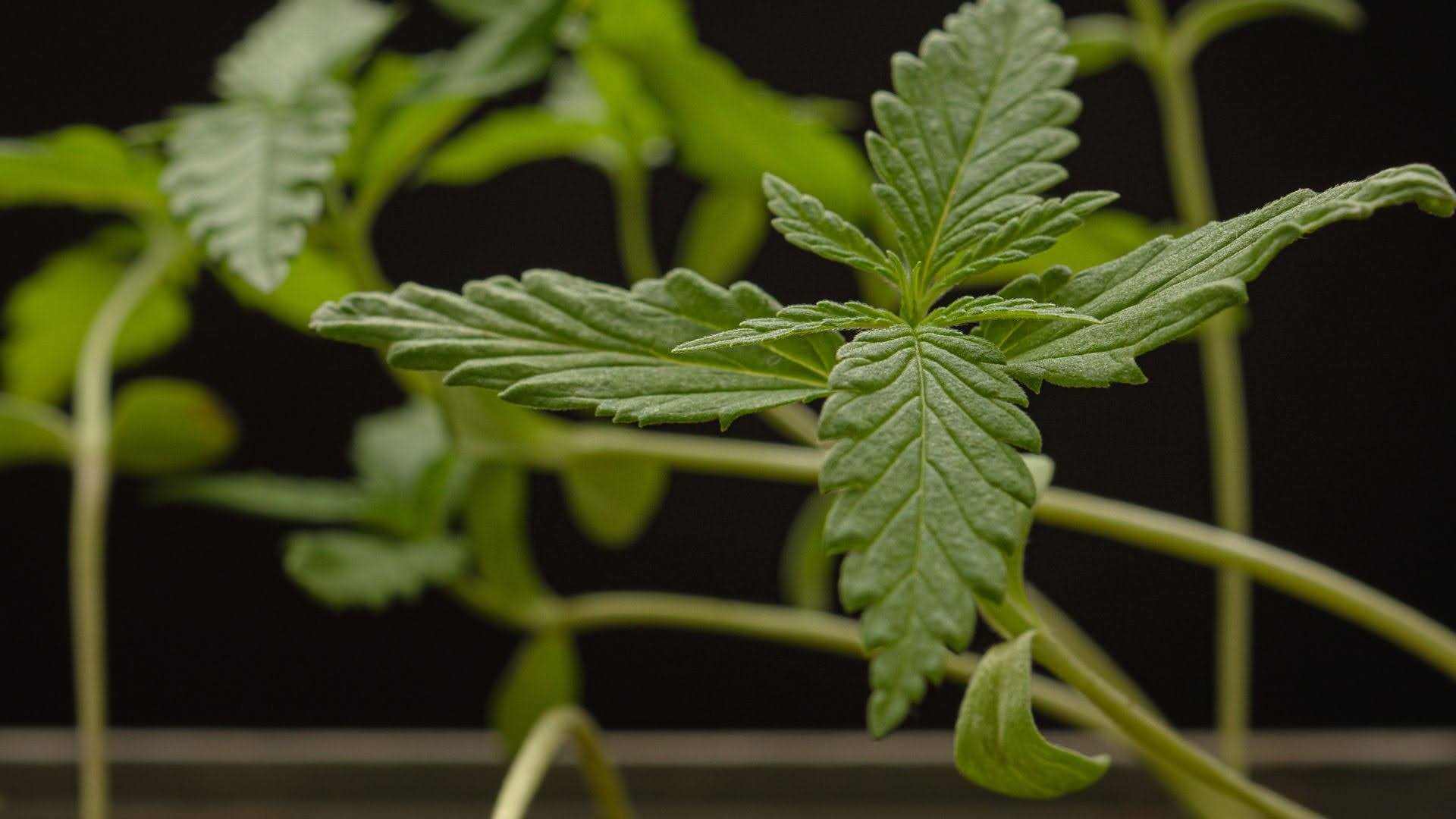
The first few weeks of a cannabis plant’s life set the basis for its overall health and yield. Seedlings are delicate, where seemingly minor mistakes in watering, lighting, or environment can slow growth or cause lasting damage.
Understanding what to expect at this point helps growers avoid common pitfalls and give their plants the best possible start. In this guide, we will look at how a 2-week-old seedling should appear, the conditions it needs to thrive, and the issues you should watch out for.
Brief breakdown:
- A healthy 2-week-old seedling has vibrant green leaves, a sturdy stem, and visible first true leaves, with roots beginning to establish in the medium.
- Consistent care provides balanced watering, gentle light, and stable nutrients, supporting strong leaf and root development while preventing early-stage stress.
- Neglect or irregular care can cause drooping leaves, weak stems, and delayed growth, reducing the seedling’s ability to transition smoothly to the vegetative stage.
- Proper preparation adjusts pots, light intensity, and nutrient levels to create optimal conditions, ensuring seedlings enter the vegetative phase with strength and vigor.
- Organized workflow tracks tasks, logs growth, and coordinates your team, optimizing results by ensuring seedlings receive consistent care and early issues are addressed before they escalate.
Growth Stages Leading Up to Week 2
Each early stage lays the foundation for future growth, from the moment the seed cracks open to the point it develops its first true leaves. By revisiting these stages, you will know whether your seedling is developing at a healthy pace.
- Germination (Days 1–7)
The seed cracks open, sending down a taproot and pushing up a small shoot. By the end of this stage, you typically see the cotyledons (the first round leaves). - Early Seedling (Days 7–10)
The stem strengthens, and the first serrated leaves emerge. These leaves initiate the process of photosynthesis, laying the groundwork for steady growth. - Pre-Week 2 Transition (Days 10–14)
The seedling establishes a stronger root system and develops more leaf pairs. It becomes increasingly dependent on external care, particularly in terms of light and moisture.
Recognizing this sequence can help you determine whether your plant is thriving or struggling.
Suggested Read: Tips on Outdoor Cannabis Growth from Seed to Harvest
What Does a 2-Week-Old Cannabis Seedling Look Like?
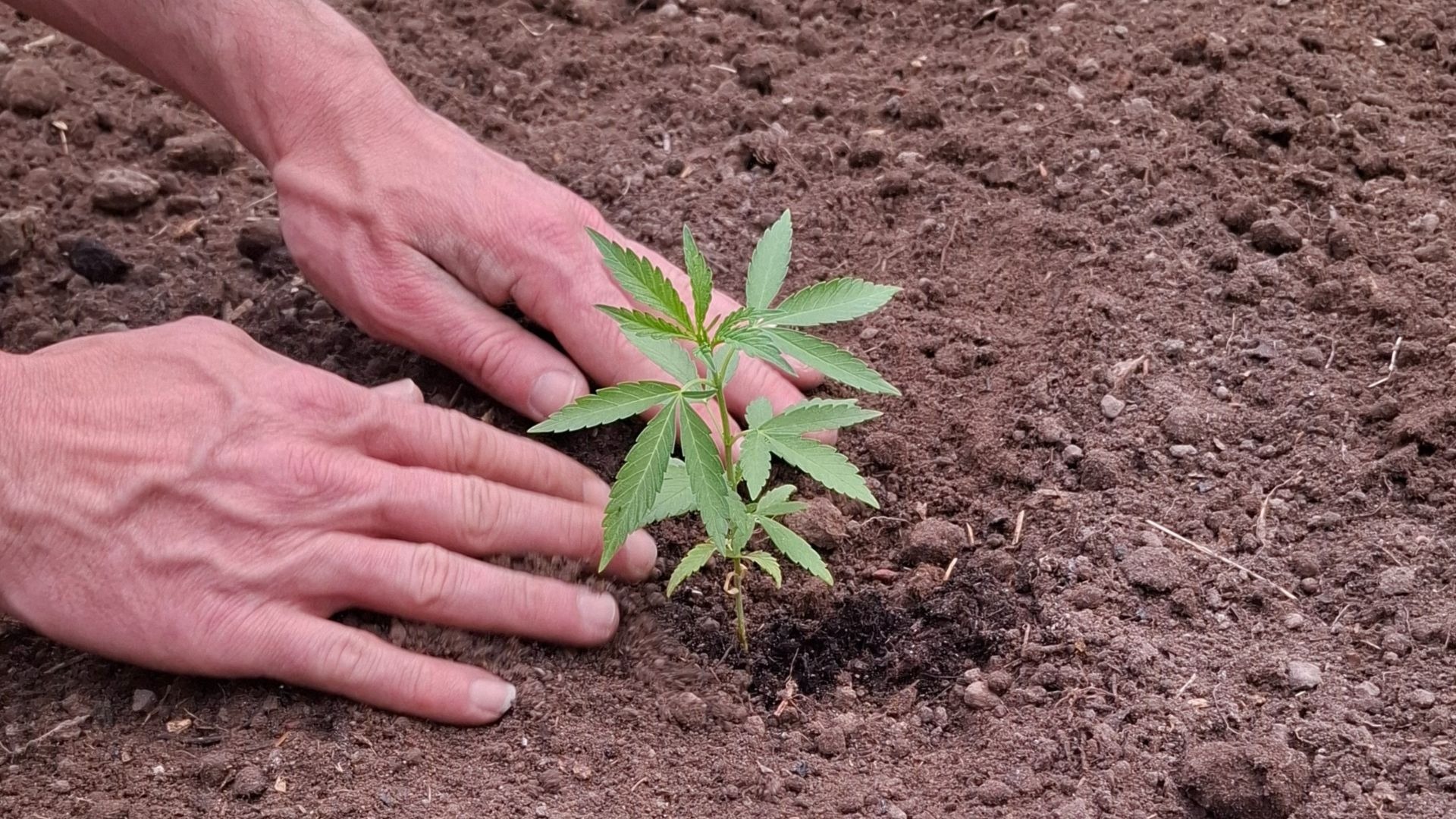
At two weeks, cannabis seedlings begin showing more character, but they are still fragile. This stage is characterized by visible growth above the soil and the development of roots beneath it.
A healthy plant will look small but vigorous, with early signs of true leaves forming. Here are other features you should see in a 2-week-old seedling:
1. Height
By the second week, seedlings typically reach 2–3 inches in height, although this varies depending on the strain and environmental conditions. Indica strains may be slightly shorter and stockier, while Sativa strains tend to stretch taller. Adequate light prevents excessive stretching and encourages a compact, strong stem.
2. Leaves
The first set of serrated leaves should be fully visible, followed by the second or third set of true leaves. These leaves indicate that photosynthesis is underway and the plant is beginning to develop its energy reserves for further growth.
3. Color
Healthy seedlings display bright to deep green leaves with no yellowing, browning, or spotting. Leaf color reflects proper nutrient uptake and overall plant vigor, serving as an early indicator of potential deficiencies or stress.
4. Stem
The stem should be thin but upright, showing minimal stretching if light exposure is adequate. A strong, straight stem at this stage forms the building block for supporting larger leaves and future flowering structures.
5. Roots
Roots are expanding beneath the surface, providing the plant with the structure needed to absorb water and nutrients. While not yet ready for transplanting, a healthy root system ensures faster recovery and vigorous growth as the seedling enters the vegetative stage.
Recognizing what a healthy seedling looks like at two weeks makes it easier to catch early warning signs. But in some cases, the seed may fail to sprout altogether. The next section outlines common reasons why germination might not occur.
Suggested Read: Choosing the Appropriate Soil for Cannabis
6 Reasons Your Cannabis Seeds Did Not Sprout
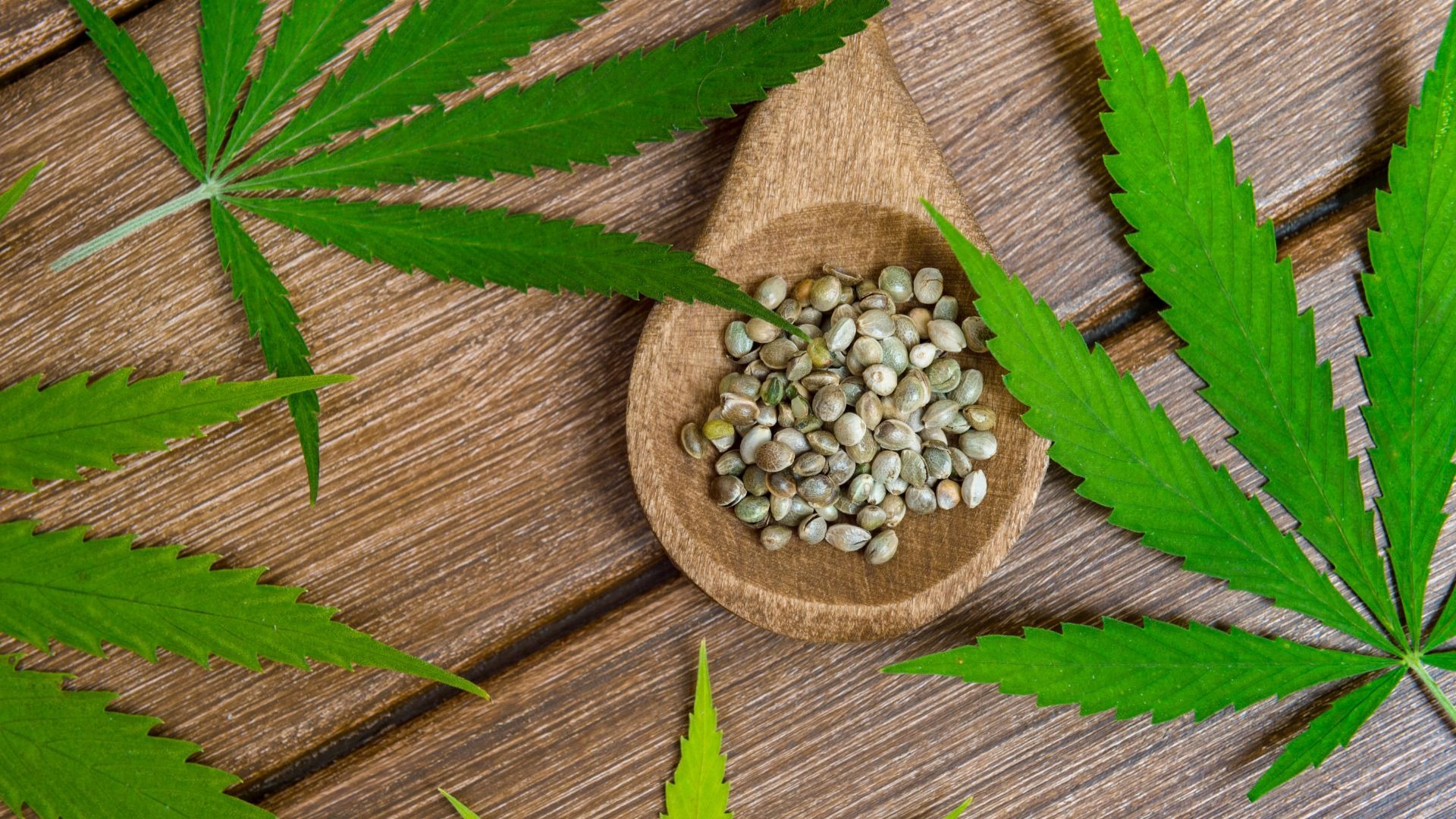
Even with careful preparation, some cannabis seeds fail to germinate, leaving growers frustrated. Knowing the most common causes can help you prevent issues in future batches and quickly identify when a seed simply isn’t viable.
- Poor Seed Quality: Old, damaged, or improperly stored seeds often fail to sprout.
- Incorrect Moisture Levels: Seeds that are too dry or sitting in overly wet medium can rot or dry out.
- Improper Temperature: Seeds require warmth, typically between 70–80°F, to initiate germination.
- Light Exposure Too Early: Some growers expose seeds to strong light before the taproot emerges, which can cause or exacerbate germination issues.
- pH Imbalances: A soil or medium that is too acidic or alkaline can prevent seeds from absorbing water and essential nutrients.
- Contamination or Mold: Fungi, bacteria, or other pathogens can infect seeds before they germinate.
By understanding these common pitfalls, you can better troubleshoot germination issues and create optimal conditions for your seedlings.
Now that you know why seeds may fail, let’s explore how to revive and fix an unhealthy 2-week-old cannabis seedling to keep it on the path toward strong growth.
How to Fix an Unhealthy 2-Week Cannabis Seedling?
At two weeks, seedlings are still delicate, and early stress can stunt growth or cause deformities. Recognizing unhealthy signs quickly and applying the right fix can save your plants and ensure they develop into strong vegetative-stage cannabis.
The table below summarizes common problems, their causes, and how to correct them.
In addition to correcting immediate problems, it’s important to understand why seedlings respond the way they do.
Factors such as root development, humidity fluctuations, and subtle temperature shifts can silently impact growth before visible symptoms appear.
Logging changes in watering, light, and nutrient application can help you spot patterns and prevent recurring issues. PlanaCan offers interactive calendars and logging tools to schedule watering, lighting, and nutrient checks effortlessly. Schedule your free demo today.
What Nutrients Do Cannabis Sprouts Need?
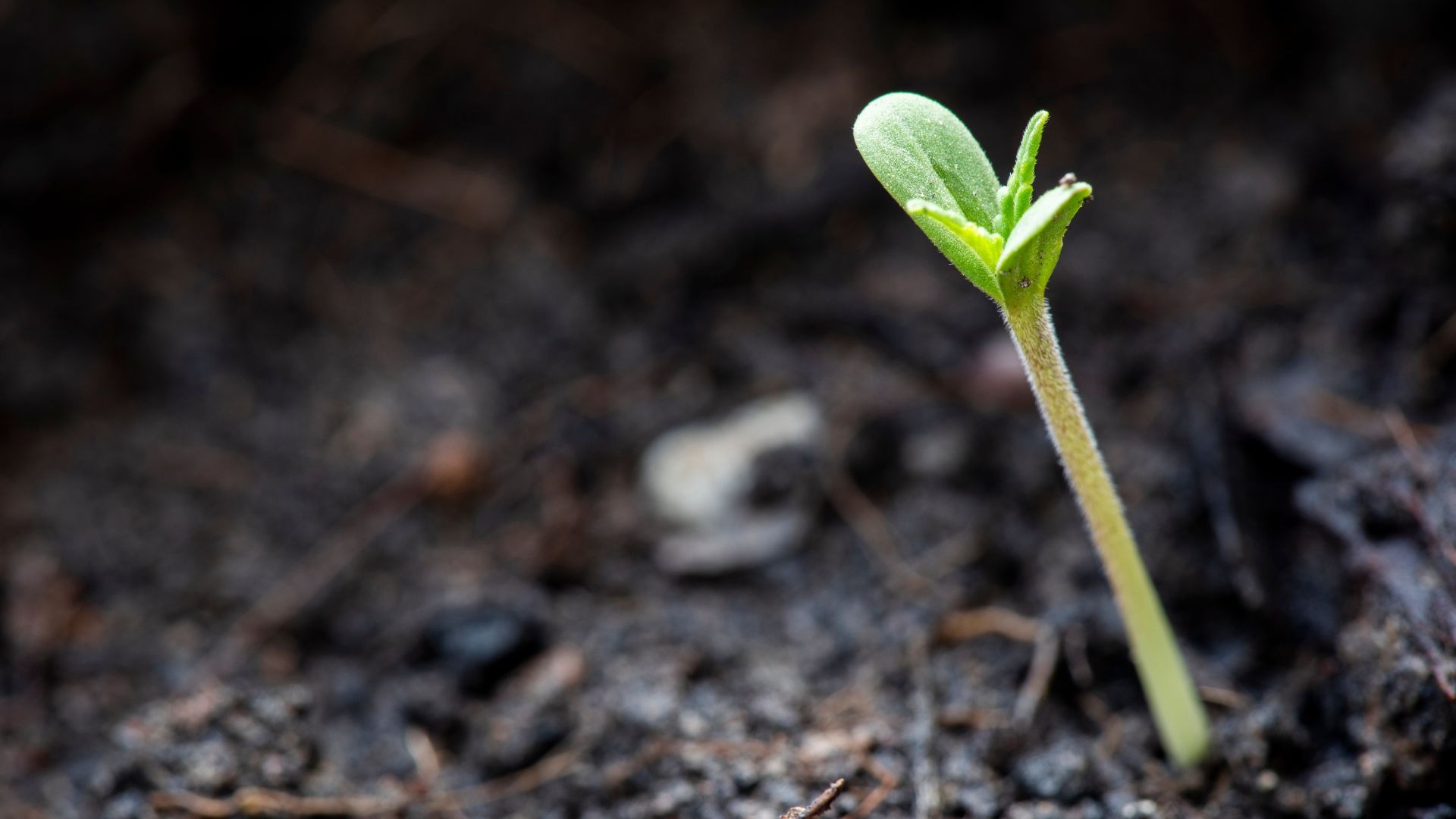
Two-week-old seedlings are transitioning beyond their cotyledons and starting to rely on external nutrients for sustained growth. However, their roots remain delicate, which means feeding should be light and carefully balanced.
This is the right time to start feeding your plants.
1. Nitrogen (N)
Nitrogen is crucial for early leaf development and overall vegetative growth. It supports chlorophyll production, which drives photosynthesis and energizes your seedlings for healthy expansion.
- Indica seedlings (generally stockier with broader leaves) require slightly less nitrogen at this stage—about 75–100 ppm.
- Sativa seedlings (taller and leafier) benefit from a touch more, around 100–120 ppm, to support their rapid vertical growth.
2. Phosphorus (P)
Phosphorus helps develop strong roots and thick stems, ensuring seedlings can absorb water and nutrients efficiently. It also aids energy transfer within the plant, supporting early growth vigor.
- Indica and Sativa seedlings do well with 50–70 ppm, which promotes a sturdy base without risking root burn.
3. Potassium (K)
Potassium regulates water uptake, strengthens early stress responses, and supports overall metabolism. Healthy potassium levels prevent wilting and help seedlings tolerate environmental fluctuations.
- Indica seedlings, being denser, can handle around 80–100 ppm.
- Sativa seedlings need slightly higher (100–120 ppm) to support their faster metabolism.
4. Calcium and Magnesium
Calcium strengthens cell walls, while magnesium is central to chlorophyll production. Both prevent early-stage deficiencies that often appear as weak stems or interveinal yellowing.
- Both Indica and Sativa seedlings require 50–70 ppm combined, with Sativas slightly more magnesium-hungry.
5. Micronutrients (iron, zinc, manganese, boron, copper)
Trace elements are vital for enzyme function, hormone production, and overall plant health. Deficiencies can cause stunted, distorted, or discolored growth even if macronutrients are adequate.
- Use a mild “seedling formula” or a diluted all-in-one nutrient mix at 25% of normal vegetative strength for both Indica and Sativa strains.
You can read more about nutrients in our handy Beginner’s Guide on Mixing Nutrients for Cannabis Growth.
In the next section, we explore more practical ways of keeping 2-week-old cannabis seedlings thriving.
Tips for Healthy Seedling Growth at 2 Weeks
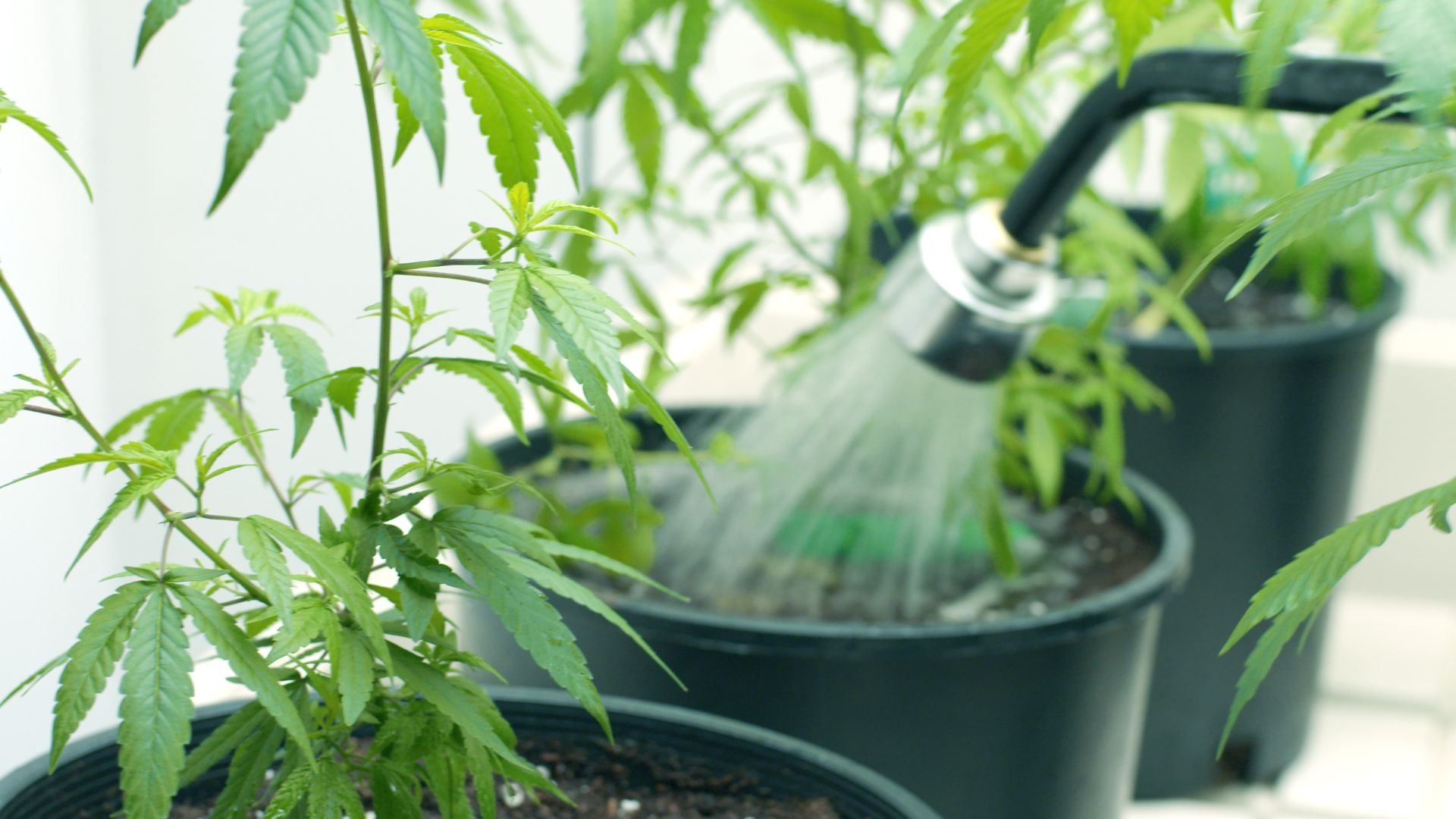
Providing consistent care now sets the stage for vigorous vegetative growth and helps prevent stress that could slow development. Small adjustments to the environment, such as watering and nutrient levels, can make a significant difference during this critical period.
These are a few things you should focus on:
- Proper Watering: Keep the medium consistently moist but not waterlogged. Overwatering can suffocate roots, while underwatering slows growth.
- Light Requirements: Ensure seedlings receive 18–24 hours of gentle, bright light daily. Adjust distance to prevent stretching or leaf burn.
- Nutrient Management: Use a diluted seedling formula or low-strength vegetative nutrients to avoid burn, following strain-specific guidance.
- Temperature and Humidity: Maintain 70–80°F with humidity around 60–70% for optimal transpiration and root development.
- Airflow: Gentle circulation strengthens stems, prevents mold, and encourages healthy transpiration.
By following these care practices, your seedlings will develop strong roots, healthy leaves, and sturdy stems. Understanding how to prepare for the upcoming vegetative stage ensures your plants continue growing efficiently and reach their full potential.
How to Prepare for the Next Growth Stage?
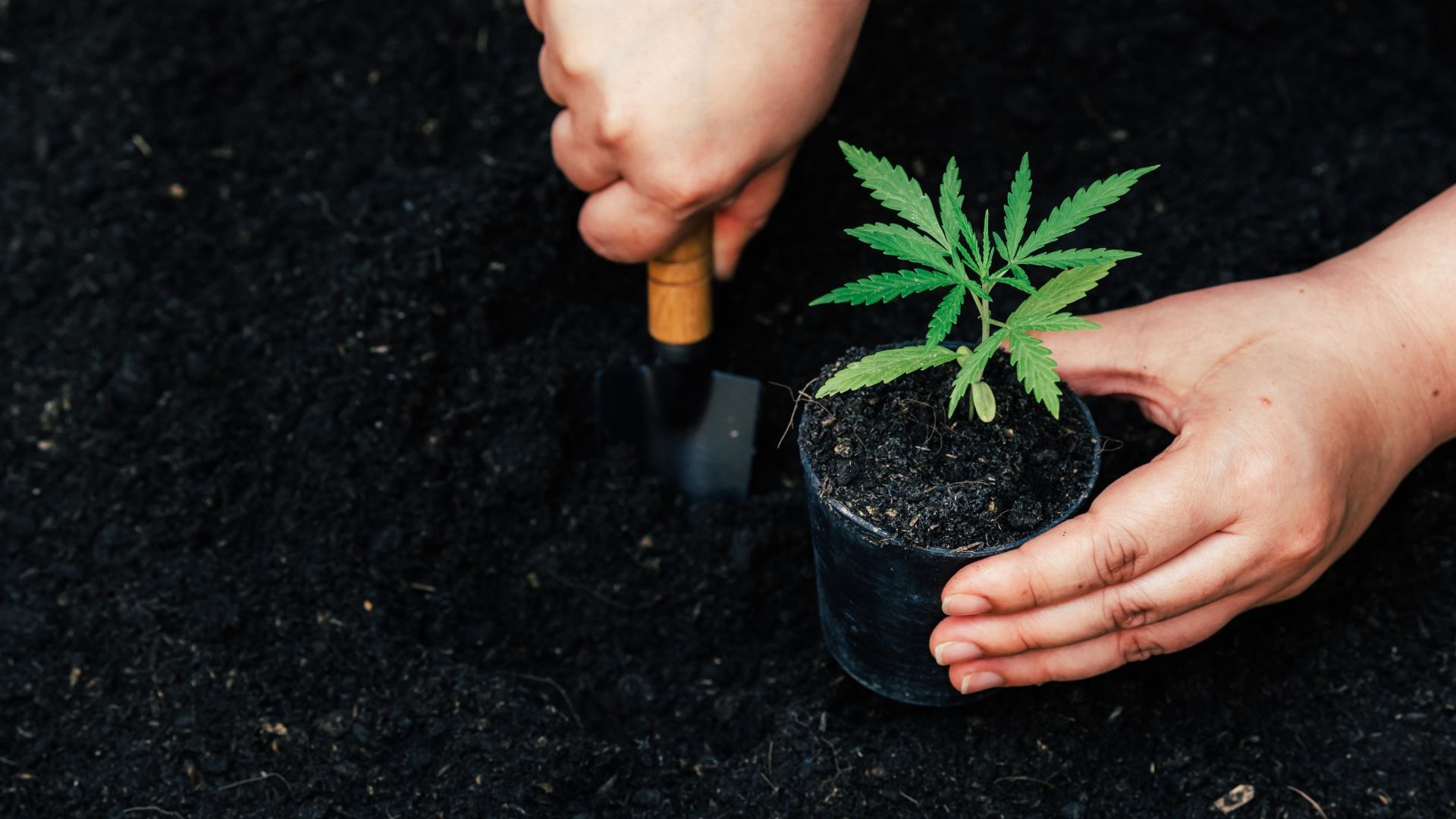
As seedlings approach the end of their second week, it’s time to start preparing for the vegetative stage. Proper preparation ensures that young plants respond well to increased light, nutrients, and space.
Small adjustments now can prevent stress and support long-term growth. Consider the following:
1. Transplanting Considerations
Before moving your seedlings, make sure they are ready for a bigger home.
- Move seedlings into slightly larger pots if roots are approaching the edges.
- Use well-aerated, nutrient-rich soil to support vegetative growth.
- Handle seedlings gently to avoid damaging the stems or roots.
2. Lighting Adjustments
Your seedlings need the right light to stretch and grow strong.
- Gradually increase light intensity to encourage healthy growth.
- Maintain an 18–24-hour light schedule to promote vegetative development.
- Ensure even coverage to prevent stretching or uneven leaf growth.
3. Nutrient Transition
Think of nutrients as fuel. Start providing just enough to encourage steady growth.
- Introduce mild vegetative nutrients while continuing seedling-level care.
- Monitor for signs of overfeeding, such as yellowing leaf tips or curling.
- Adjust ratios depending on the strain. Indica may require slightly lower nitrogen, while Sativa may require marginally higher quantities.
4. Environmental Prep
The right environment makes all the difference. Too much or too little can stress seedlings.
- Gradually reduce humidity to 50–60% to encourage stronger stems.
- Maintain a temperature between 70°F and 80°F for optimal growth.
- Ensure consistent airflow to prevent mold and promote the growth of strong seedlings.
By following these steps, seedlings are well-positioned for a smooth transition into vegetative growth. It’s equally important to maintain a consistent care routine. This is where workflow management becomes essential.
Suggested Read: How Long is the Vegetative Stage for Autoflower Cannabis
Importance of Workflow Management in Early Growth
Missing a watering schedule, neglecting nutrient checks, or overlooking environmental adjustments can slow growth and stress young plants. Workflow management helps you stay organized, ensuring every task is completed at the right time.
Task management is required to:
- Track Watering and Feeding Schedules: Keep a record of when seedlings were watered and fed to prevent over- or under-care.
- Monitor Environmental Adjustments: Log changes in temperature, humidity, and airflow to identify trends and prevent stress.
- Document Growth Observations: Note leaf development, stem strength, and any abnormalities to quickly identify issues.
- Coordinate Team Efforts: If more than one person is caring for plants, task tracking ensures everyone follows the same plan.
By managing your workflow systematically, you create a predictable and controlled environment that maximizes the chances of producing strong, healthy seedlings.
Automation can make your work easier. You can organize schedules and implement task tracking with PlanaCan.
Build and Implement a Grow Strategy With PlanaCan

Tracking watering schedules, nutrient schedules, environmental changes, and growth observations simultaneously is challenging. PlanaCan uses AI to automate workflows. It can help you stay organized, maintain consistent care, and focus on nurturing healthy plants from the seedling stage onward.
These are a few useful features:
1. AI-Powered Task Scheduling
Automate routine care tasks, such as watering, nutrient checks, and environmental adjustments. The AI-driven calendar predicts optimal timings based on plant growth stages, ensuring nothing is overlooked.
2. Growth Logs and Insights
Record your seedling’s progress, leaf development, and stem strength. AI analyzes this data to highlight trends, giving actionable insights that help you replicate successes and correct minor deviations early.
3. Environmental Monitoring
Keep tabs on temperature, humidity, and airflow with AI-driven alerts. The system flags deviations from ideal conditions, helping maintain stress-free growth environments.
4. Team Collaboration Tools
Assign tasks and share updates in real time with your team. AI helps prioritize actions, so every member knows what needs attention without confusion or overlap.
5. Harvest Analysis and Reporting
When it’s time to harvest, PlanaCan generates detailed reports tracking every decision and adjustment made during growth. With this, you can understand what contributed to success and pinpoint areas for improvement in your next production cycle.
PlanaCan helps growers care for their seedlings and plants more efficiently. You can easily maintain optimal conditions and ultimately maximize yields.
Conclusion
Two-week-old cannabis seedlings are at a delicate stage and require careful attention. Consistent watering, nutrient management, and environmental control are critical for strong roots and healthy leaves. Without proper care, seedlings can become stressed, which may slow growth and affect the entire cultivation cycle.
PlanaCan makes seedling care manageable and collaborative. Interactive calendars and real-time updates allow every team member to stay aligned on tasks and monitor progress. This ensures consistency and keeps your plants on track for healthy development.
Track seedlings in real time. Start optimizing growth from day one. Schedule a free call today.
Frequently Asked Questions
1. What Does an Unhealthy Seedling Look Like?
Unhealthy seedlings may have drooping or curling leaves, yellowing, brown spots, or thin stems. Early detection allows corrective action. Observing growth patterns, leaf color, and stem strength helps identify problems before they become serious.
2. How Many Days Do Seedlings Need to Harden Off?
Seedlings typically require 2–5 days to harden off before transplanting outdoors or to larger pots. Gradual exposure to light, airflow, and slightly cooler temperatures helps them adapt without shock, ensuring stronger growth and stress resistance.
3. How Many Days Is the Seedling Stage?
The seedling stage generally lasts 2–3 weeks, depending on strain and growing conditions. During this period, plants develop their first true leaves, establish root systems, and require careful attention to water, light, and nutrients.
4. What Is the Ideal Pot Size for a 2-Week Seedling?
Seedlings thrive in small, well-draining pots that allow root development without overwhelming the plant. Typically, 2–4 inch containers are recommended before transplanting to larger pots in the vegetative stage.
5. How Often Should 2-Week Seedlings Be Checked?
Seedlings should be checked daily for water, nutrient needs, and environmental conditions. Monitoring daily helps identify early signs of stress, allowing for quick adjustments to be made and maintaining healthy growth.