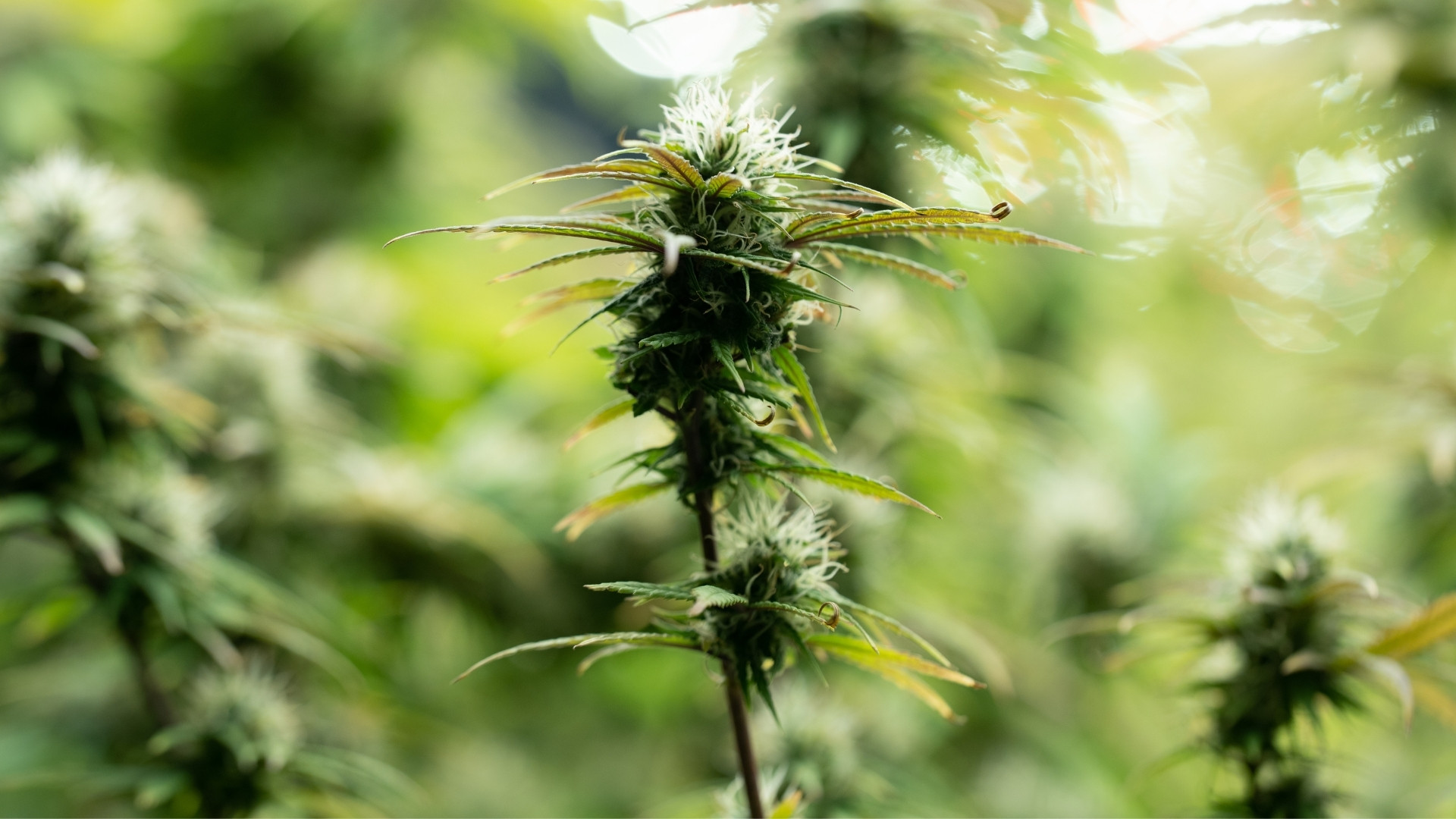
Airflow is a critical element of successful cannabis cultivation, especially at a commercial scale, but when fans, vents, or circulation systems deliver more force than your plants can handle, the result can quickly shift from healthy movement to visible damage. When leaves closest to your airflow source begin curling, wrinkling, or developing crisp, brown edges, there's a strong chance you're dealing with cannabis wind burn. It may appear to be a minor cosmetic issue at first, but left unmanaged, windburn can weaken plant structure, stall growth, reduce bud size, and create unnecessary stress during a critical stage of the growing cycle.
Understanding how and why wind burn occurs and how to prevent it enables you to maintain stable airflow that protects plant health while keeping humidity and temperature under control. Even better, with the right system for tracking room conditions and task execution, you can prevent airflow imbalances before they escalate.
Key Takeaways
- Cannabis wind burn occurs when plants are exposed to excessive or direct airflow, causing leaf curl, edge burn, and slowed growth.
- It’s most common near powerful oscillating fans, ventilation ducts, or poorly distributed airflow systems.
- Wind burn often resembles nutrient or heat stress, making early diagnosis essential.
- Prevention depends on maintaining balanced air movement, making spacing adjustments, positioning fans correctly, conducting regular room audits, and implementing structured monitoring.
- Using tools like PlanaCan helps you schedule airflow checks, assign tasks, standardize workflows, and catch issues before they damage yield outcomes.
What Is Cannabis Wind Burn?
Cannabis wind burn happens when the airflow hitting the canopy is too intense or too direct for an extended period of time. Instead of gently moving the leaves to strengthen branches and prevent microclimates, excessive airflow forces the plant to close stomata and redirect energy away from growth and flower development. The result: stressed plants with visibly damaged foliage and weaker bud production.
Wind burn is far more common indoors than outdoors, because mechanical airflow introduces concentrated force, whereas natural wind distributes movement irregularly and from multiple angles. In a closed-room environment, even a small positioning mistake can create an airflow hotspot.
With PlanaCan, you can schedule room-by-room environmental inspections, assign tasks, and track notes from your team in real-time, ensuring airflow issues don’t slip through unnoticed.
Suggested read: NPK Ratio for Cannabis: Ideal Nutrients for Plant Growth
Why Wind Burn Matters for Commercial Growers?
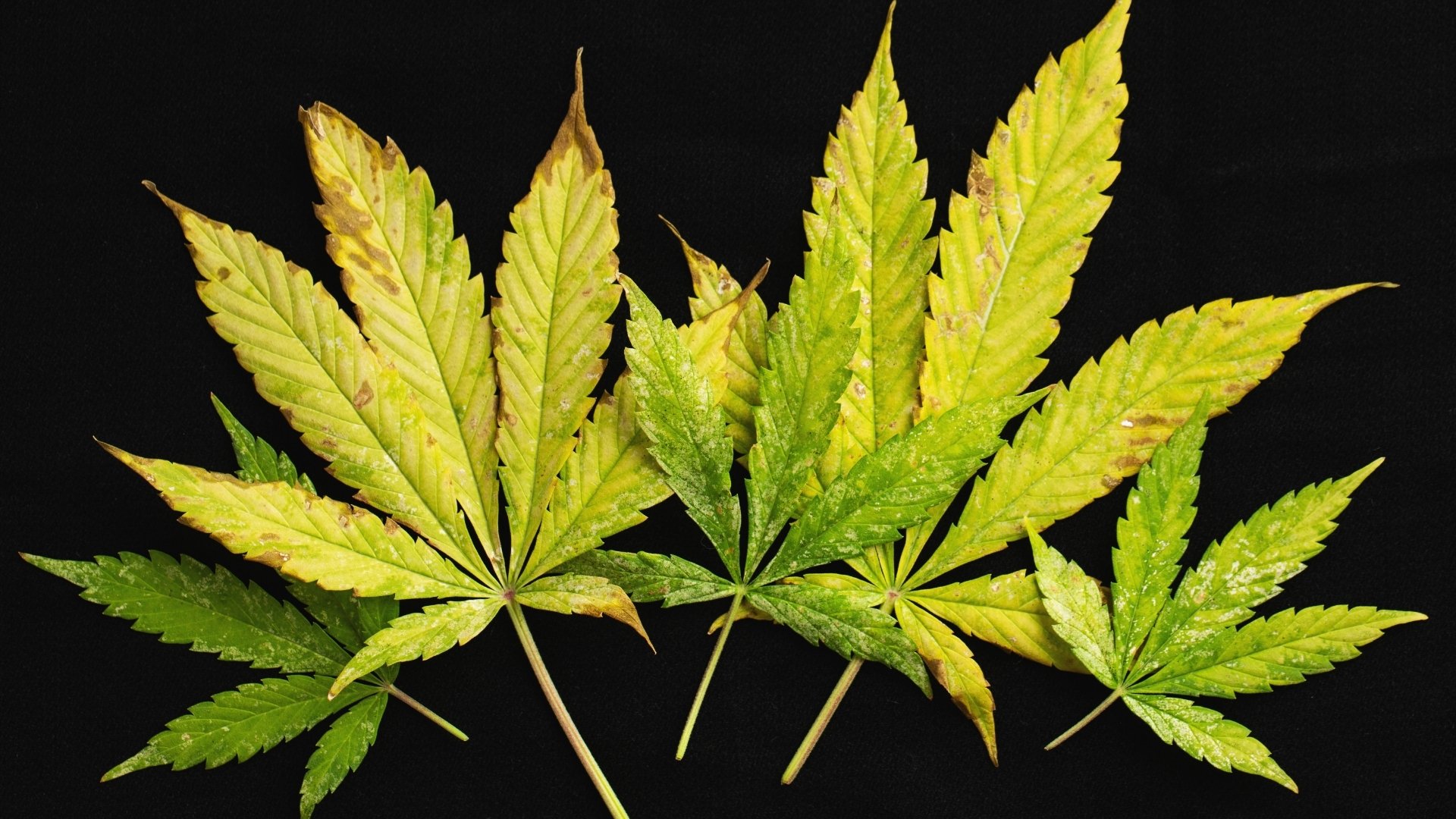
On the surface, wind burn might look like nothing more than curled leaves. However, when airflow stress affects hundreds or thousands of plants simultaneously, the implications escalate rapidly. Wind-burned plants often show:
- Reduced bud density
- Slower vegetative and flowering progress
- Increased water and nutrient demand due to stress response
- Higher susceptibility to pests and disease
- Uneven canopy development
When airflow conditions are not consistently managed, you also risk variability between rooms, racks, or zones, resulting in unpredictable quality, frustrated team members, and reduced yield consistency. For operators scaling across multiple rooms or sites, preventing wind burn is essential for operational reliability.
How to Identify Cannabis Wind Burn?
The symptoms of wind burn can resemble those of other stressors (nutrient imbalances, low humidity, heat stress), so the details matter. Look for:
- Taco-shaped leaf curling where edges fold inward tightly
- Brown, dry, crispy edges especially closest to fans
- Wrinkled or clawing leaf texture
- Leaves moving aggressively rather than gently swaying
- Plant leaning directly away from fan direction
If these symptoms appear primarily on the side facing airflow sources, wind burn is highly likely. When you see symptoms evenly across the plant or canopy, consider heat, root stress or feeding issues first.
Suggested read: Tips to Correct High pH in Cannabis Soil
Common Causes of Wind Burn in a Grow Room?
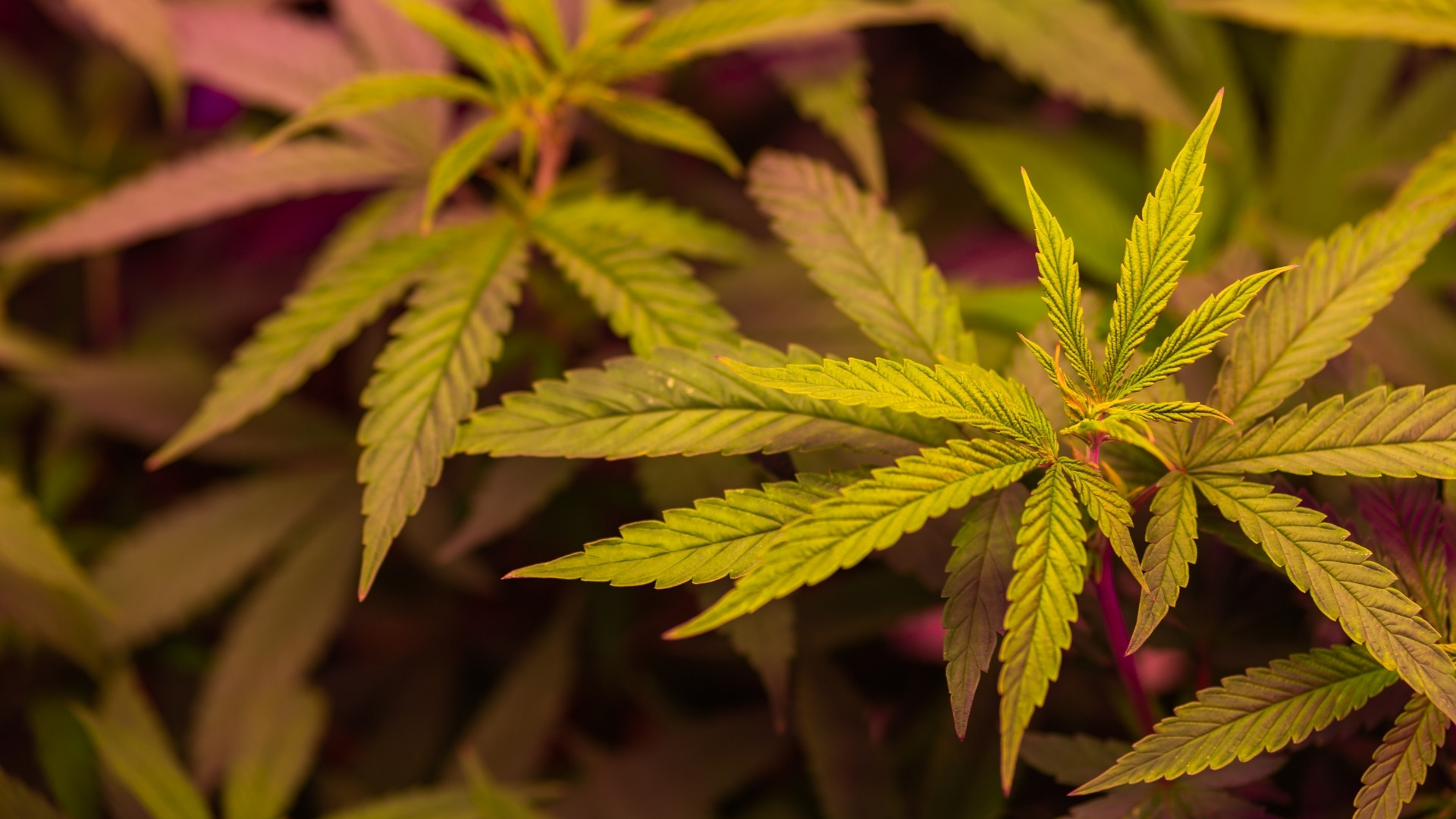
Wind burn isn’t caused by one single factor; it’s typically a workflow or monitoring issue. The most frequent causes include:
1. Fans positioned too close to the canopy
Direct airflow blasting the same leaves for long periods breaks down the leaf cuticle and forces excessive transpiration. When fans sit only a few inches away, the plant experiences constant mechanical pressure, leading to curled edges, brown tips, and slowed metabolic activity. This is especially risky in early veg when tissues are soft and vulnerable.
2. Too much fan speed or oscillation power
Even if fans are placed correctly, excessive speed can still overwhelm the canopy. Strong oscillation can cause leaves to whip back and forth, stressing stems and weakening plant structure. High-speed settings also disrupt VPD balance by pulling moisture from the stomata too aggressively.
3. Poor airflow distribution
Uneven airflow usually occurs when one side of the room has heavier fan coverage, HVAC vents push air more aggressively in one direction, or plant density blocks airflow. This creates pockets of high wind exposure alongside stagnant areas. These microclimates lead to inconsistent growth, localized stress, and an increased risk of wind burn in the overexposed zone.
4. Incorrect plant spacing
As plants stretch or develop thicker canopies, airflow patterns change. Without spacing adjustments or periodic canopy thinning, certain plants absorb the brunt of the airflow. This often happens mid-cycle when growth accelerates, and fan angles aren’t updated to match the new canopy structure.
5. Inconsistent team adjustments
When multiple staff members adjust fan angles or speed without logging changes, airflow becomes unpredictable. A small change made on one shift can create a high-wind corridor that goes unnoticed for days. Lack of documentation is one of the biggest culprits behind recurring wind stress in large facilities.
PlanaCan centralizes communication and task tracking, so adjustments are documented and assigned not forgotten or repeated inconsistently.
How to Prevent Wind Burn in Commercial Cannabis Cultivation?
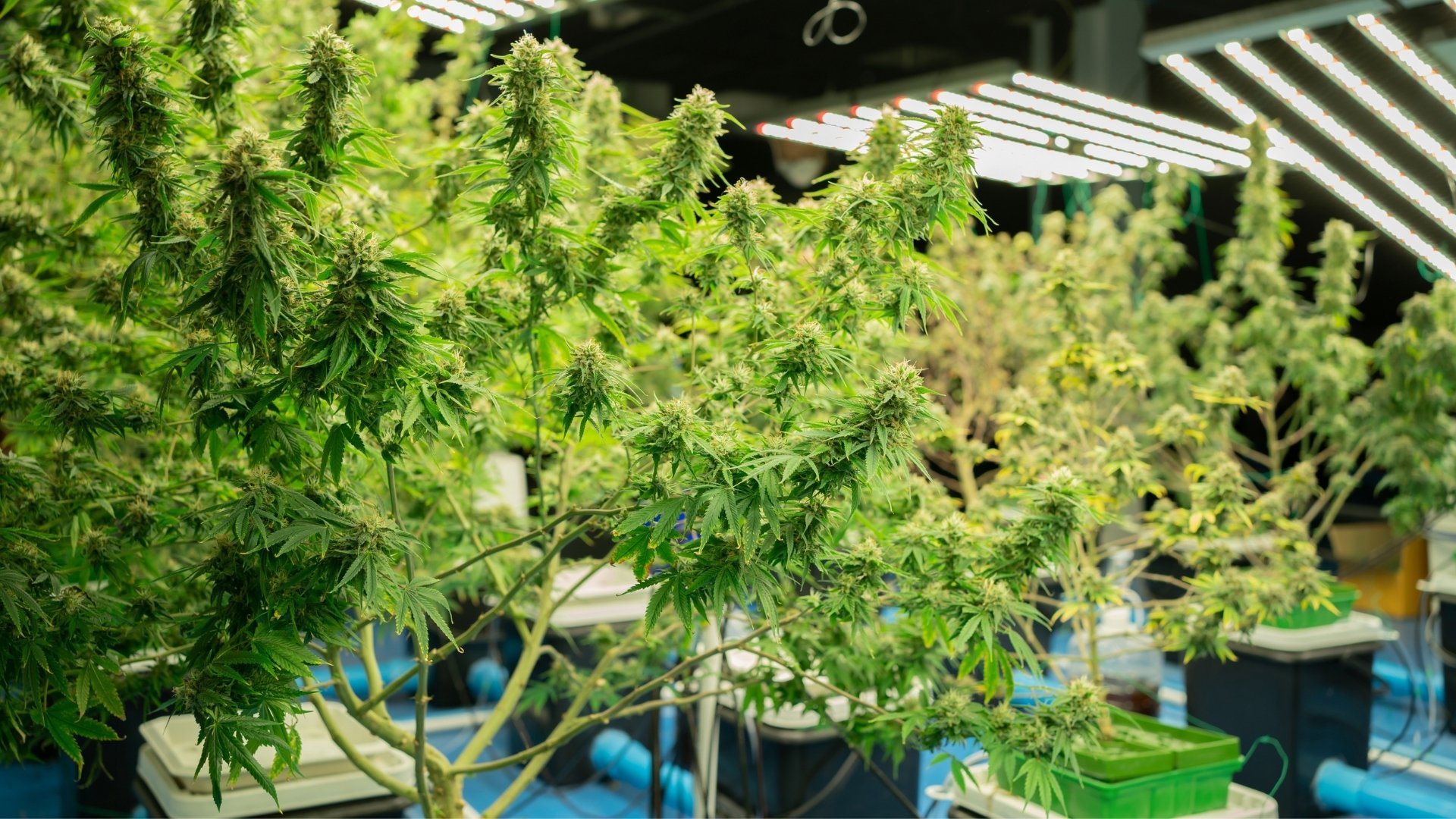
If you catch wind burn early, you can reverse stress and restore growth momentum. Prevention comes down to balanced airflow, consistent monitoring, and structured room management. Commercial facilities need predictable, uniform air movement that supports plant health without overwhelming the canopy.
- Choose the right fan placement
Keep fans several feet away from the canopy and positioned to create indirect airflow. Aim the fans so leaves show a soft, rhythmic sway. If they’re flapping, twisting, or constantly pushing in one direction, the airspeed is too strong. Use oscillating fans wherever possible to avoid constant pressure on one side of the plant.
- Use multiple smaller fans instead of one strong source
One powerful fan creates microclimates and can torch the nearest branches. Multiple small or mid-sized fans placed strategically around the room ensure even air distribution. This approach also reduces dead zones, improves VPD stability, and supports healthier overall transpiration.
- Adjust airflow based on growth stage
Seedlings and early veg plants have thin cuticles and delicate leaf structures, making them more vulnerable to mechanical stress. Provide minimal, gentle airflow during these stages. As plants enter late veg and flower, they can tolerate and often benefit from slightly stronger circulation to support CO₂ exchange and mold prevention. Match your airflow intensity to the physiological needs of each stage.
- Audit airflow regularly
Make airflow audits part of your weekly routine. Walk the room, stand at canopy level, and feel the airflow by hand. Check different heights including under-canopy zones where air can stagnate. As plants grow and fill space, adjust fan positions and angles to maintain even coverage.
- Track environmental data
Airflow only works when paired with stable temperature, humidity, and VPD. Use environmental sensors to measure how air movement affects microclimates. Log patterns that correlate with wind burn symptoms, and adjust HVAC or dehumidification setpoints accordingly. Real-time data helps catch issues before they escalate.
- Train your team
Even the best airflow plan fails without consistent execution. Create SOPs for airflow checks, fan maintenance, and environmental monitoring. Train staff to recognize early signs of stress, document changes, and escalate issues quickly. A trained team prevents small airflow problems from becoming large yield losses.
How PlanaCan Helps You Prevent Wind Burn and Improve Airflow Consistency?

Even when you know the best airflow practices, execution can still fail without clear systems. PlanaCan helps commercial cannabis growers prevent wind burn by enabling:
- Automated Scheduling of Airflow & Environment Checks - Assign weekly or daily airflow audits directly on the grow calendar to ensure these tasks never get skipped.
- Mobile Access for On-Floor Notes & Photos - Team members can upload airflow notes, photos of problem zones, and assign follow-ups.
- Room-to-Room Comparison & Harvest Analysis - Track performance across cycles and identify patterns (e.g., wind burn recurring in a single zone).
- Collaborative Task Management - Ensure consistent execution between shifts, rooms, and facilities.
- Scalable Workflow Templates - Standardize airflow SOPs from one room to thousands of square feet without reinventing the wheel.
See how PlanaCan improves grow-room operations by aligning tasks, tracking data and preventing mistakes.
Conclusion
Cannabis wind burn is one of the most preventable causes of plant stress, provided that airflow is consistently monitored and managed with intention. When airflow is balanced, your plants stay strong, terpenes develop properly, and canopy growth remains uniform. But without structured task scheduling and clear communication, airflow mistakes can repeat cycle after cycle, silently damaging yield and profitability.
PlanaCan provides the operational system to prevent airflow-related problems before they escalate. With automated task scheduling, team accountability, and harvest data tracking, you gain visibility and control over every aspect of your operations, from every room to every cycle.
Ready to eliminate preventable stress and standardize airflow management across your grow?
Schedule a free call today and see how PlanaCan keeps your cultivation workflow efficient, predictable, and profitable.
FAQs
1. Does cannabis wind burn go away?
Yes, if caught early. Damaged leaves won’t recover, but new growth will return healthy once airflow is balanced.
2. What’s the difference between wind burn and nutrient burn?
Wind burn affects the plant's side facing the airflow, causing inward leaf curl. Nutrient burn typically starts at the tips, characterized by a sharper, yellow-brown line.
3. Is windburn worse on veg or on flowers?
It can severely affect both, but flowering plants are more expensive to lose and more sensitive to stress late in development.
4. Can humidity problems mimic wind burn?
Yes, extremely low humidity can cause similar leaf curl. Always check environmental data alongside fan placement.