Growers are under intense pressure to deliver consistent yields and quality in a rapidly expanding market, yet strain-specific differences remain one of the most challenging operational hurdles. In 2025, the global cannabis cultivation market was valued at $180.7 billion.
Despite this growth, many cultivation teams still struggle with unpredictable flowering times, varying nutrient requirements, and shifting environmental responses across strains. These issues routinely derail schedules and inflate costs. They translate into delayed harvests, stressed workers, and inconsistent product quality.
In this article, you will learn how cannabis strain cultivation differences affect every stage of the grow cycle and how to plan around them for smoother operations and better outcomes.
Quick look:
- Strain differences directly affect cultivation outcomes. Growth rates, structure, sensitivity, and timelines vary enough to disrupt schedules, labor, and yield if unmanaged.
- Vegetative and flowering stages diverge early. Differences in stretch, maturation, and stress response compound as plants move through the cycle.
- Environmental and nutrient responses are strain-specific. Uniform inputs often create stress, inconsistency, or quality loss in multi-strain grows.
- Labor and harvest demands vary by strain. Task frequency, timing, and harvest readiness rarely align across cultivars.
- Growth-based planning reduces risk. Aligning schedules and execution with plant development rather than fixed dates helps maintain control and consistency across strains.
What Does “Strain Differences” Mean in Cultivation
Cannabis strain differences are often introduced through indica and sativa classifications. Indica-leaning strains generally express compact growth, and sativa-dominant strains show greater stretch.
In commercial cultivation, most cultivars are hybrids, but these genetic roots still shape how predictable or variable a grow cycle becomes.
In cultivation terms, “strain differences” refer to:
- Genetic Growth Programming: Each strain follows an internally driven growth pattern that cannot be forced into a uniform timeline.
- Cycle Predictability Limits: Some strains follow consistent development windows, while others vary run-to-run.
- Response to Intervention: Training, feeding, and environmental adjustments do not produce identical results across strains.
- Operational Risk Exposure: The more strains in production, the higher the risk of schedule drift and execution gaps.
These underlying differences surface first during vegetative growth. This is explained in the next section.
Suggested Read: Essential Tips to Maintain Healthy Cannabis Plant Growth
Vegetative Growth Differences by Strain

During the vegetative stage, plants establish roots, stems, and leaf mass, setting the physical foundation for yield and canopy management later in the cycle.
Strain-specific behavior during veg is where timelines begin to diverge and where planning assumptions are first tested. These are the key differences:
1. Stretch Rate and Internode Spacing
Some strains remain compact through veg, while others elongate rapidly even under controlled conditions. These differences affect how quickly plants fill a room and how much vertical control is required.
Table showing differences in spacing:
Further Insight: Understanding Cannabis Plant Anatomy: Nodes and Internodes
2. Canopy Density and Branching Patterns
Branching behavior determines how light penetrates the canopy and how much manipulation is required. Strains vary significantly in how naturally they form productive sites.
Table showing differences in canopy density:
3. Root Development and Establishment Speed
Root vigor during veg influences nutrient uptake, transplant timing, and stress tolerance. Some strains establish quickly, while others lag before stabilizing.
Table showing differences in root development:
4. Training and Recovery Response
Strains differ in their tolerance to topping, bending, and pruning. Recovery speed during veg determines how aggressively plants can be shaped.
Table showing differences in training response:
PlanaCan is built for growth cycles that do not behave uniformly. Instead of forcing plants into fixed dates, PlanaCan ties tasks, training events, and stage transitions directly to plant development. Schedule a free demo today.
Flowering Cycle Variability Across Strains
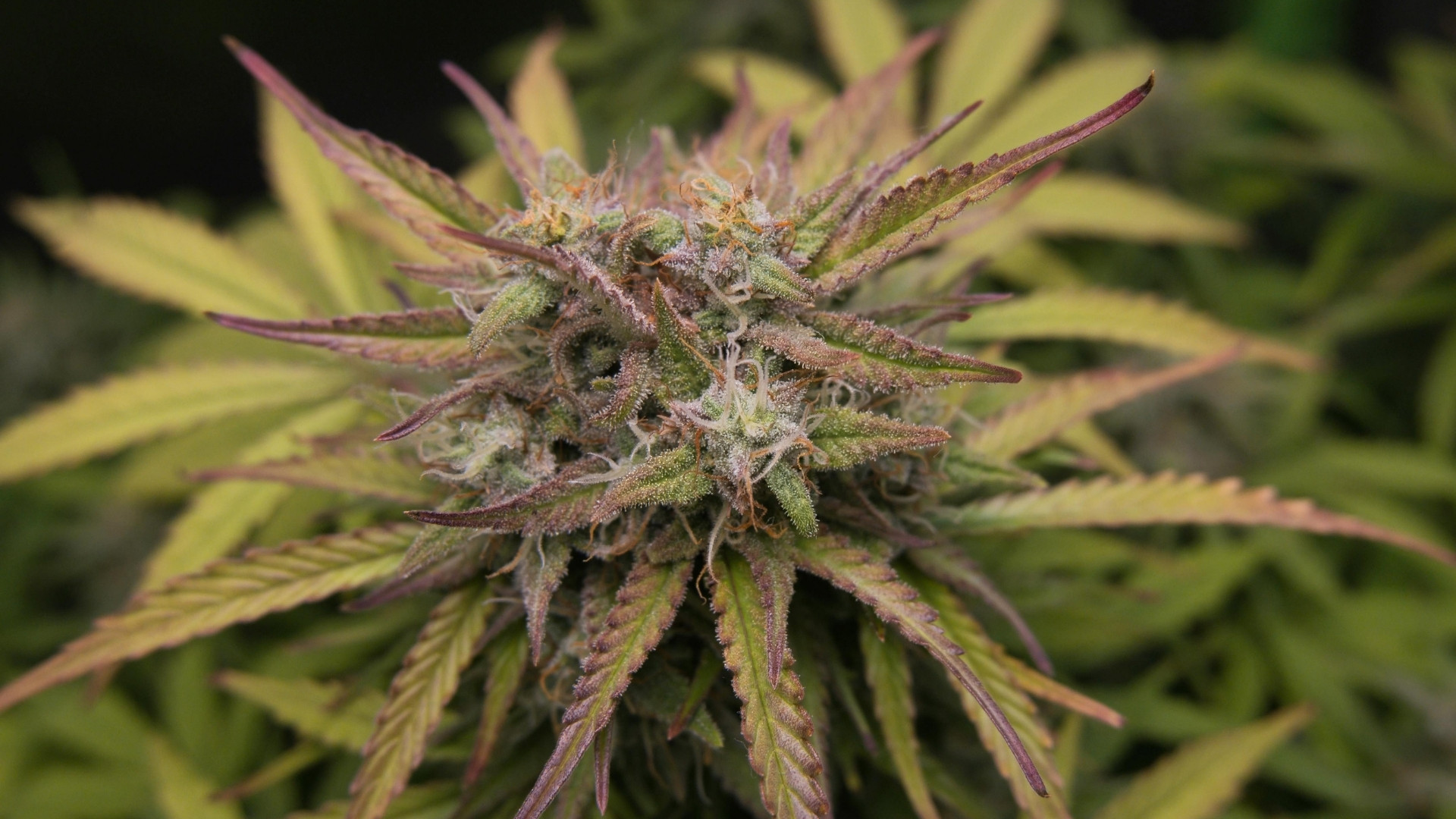
The flowering stage is where strain differences have the greatest impact on schedules, quality, and room turnover. Once plants enter the flowering stage, variations in timing, structure, and maturity become harder to accommodate without flexible planning.
Differences are listed below:
1. Flowering Duration and Maturation Timing
Strains differ widely in how long they need to mature in flower, even under fully identical environmental conditions. These timing differences affect room availability, labor planning, and harvest sequencing.
The table below outlines typical flowering duration patterns by strain type:
2. Bud Structure and Density Development
Bud formation varies by strain, influencing airflow, moisture retention, and disease risk during flower. Structural differences also affect final yield expression and post-harvest handling.
The table below shows how bud structure typically differs across strains:
3. Trichome and Terpene Maturation Patterns
Chemical maturity does not progress at the same pace across strains, even when visual cues appear similar. Harvesting too early or too late can compromise potency and terpene expression.
The table below highlights common differences in resin and terpene development:
Temperature, humidity, and light sensitivity differ by strain, making environmental management the next major factor influencing consistency and outcomes.
Suggested Read: Guide to Different Methods of Cannabis Propagation
Environmental Sensitivity Differences
Environmental conditions influence every strain differently, even when genetics, feeding, and schedules are well managed. Small shifts in temperature, humidity, or light that one strain tolerates easily can push another into stress.
These differences make environmental control a key driver of consistency in multi-strain cultivation.
1. Temperature Tolerance and Heat Stress
Strains vary in how efficiently they transpire and regulate internal temperature under warm conditions. Heat sensitivity affects growth rate, leaf health, and flower development.
The table below outlines common temperature response patterns by strain type and how to manage them:
2. Humidity and VPD Sensitivity
Humidity tolerance differs by strain, influencing transpiration, nutrient uptake, and disease risk. Managing vapor pressure deficit becomes more complex when strains respond unevenly.
The table below summarizes how strains typically react to humidity levels and VPD shifts:
3. Light Intensity and Photoperiod Response
Not all strains respond the same way to changes in light intensity or schedule. Light stress can show up as bleaching, slowed growth, or reduced terpene expression.
The table below highlights typical differences in light response across strain categories:
PlanaCan addresses environmental sensitivity by giving growers an interactive calendar. When temperature, humidity, or light adjustments impact plant behavior, teams can shift tasks, inspections, and interventions directly on the calendar without rebuilding schedules. Try PlanaCan for free today.
Nutrient and Feeding Response by Strain

Nutrient demand and feeding tolerance vary widely across cannabis strains, even under identical environmental conditions. A feeding strategy that performs well for one cultivar can quickly stress another, leading to deficiencies, toxicities, or slowed growth.
These differences make nutrient management a significant source of variability in multi-strain operations.
1. Nutrient Uptake Speed and Demand
Strains differ in how quickly they absorb nutrients and convert them into vegetative or floral growth. Uptake speed affects feed strength, frequency, and runoff management.
The table below outlines typical nutrient uptake patterns by strain type and how growers can adapt:
2. EC and pH Sensitivity
Tolerance to EC and pH swings differs by strain and can influence nutrient availability and root health. Sensitive strains show stress quickly when levels drift outside optimal ranges.
The table below summarizes common differences in EC and pH responses across strain types:
3. Deficiency and Toxicity Expression
Strains respond to nutrient imbalances differently, leading to inconsistent diagnoses across rooms. Visual symptoms can appear faster or more subtly depending on genetics.
The table below highlights how nutrient issues are commonly present by strain type and how to respond:
These nutrient-driven adjustments directly influence labor intensity, task frequency, and operational load across the grow. The following section explains the differences in labor and task load between strains.
Labor and Task Load Differences Between Strains
Differences in growth behavior, sensitivity, and structure directly affect how often plants need attention and how much time is required to keep them on track.
In multi-strain environments, labor planning often breaks down when these differences are underestimated.
1. Training and Pruning Frequency
Some strains require repeated shaping to control growth, while others maintain structure with minimal intervention. Training frequency directly impacts daily task volume and crew workload.
The table below compares typical training demands by strain type and how to plan labor accordingly:
2. Inspection and Scouting Intensity
Strains vary in how closely they must be monitored for stress, pests, and nutrient issues. High-sensitivity strains demand more frequent checks to prevent small issues from escalating.
The table below outlines inspection requirements by strain type and staffing considerations:
3. Task Timing and Schedule Variability
Strain-specific growth rates shift task timing, even within the same room. Fixed schedules often lead to missed or mis-timed work.
The table below shows how task timing variability differs by strain category and how to manage it.
4. Labor Concentration Around Transitions
Transitions between growth stages create labor spikes that vary by strain. Uneven transitions strain teams and disrupt resource allocation.
The table below summarizes how labor demand clusters around transitions by strain type:
As labor demands shift unevenly across strains, harvest planning becomes the next central pressure point. Differences in readiness, yield expression, and harvest windows further complicate execution, as shown in the next section.
Suggested Read: Why Analytics Helps to Increase Crop Production
Harvest Timing and Yield Variability
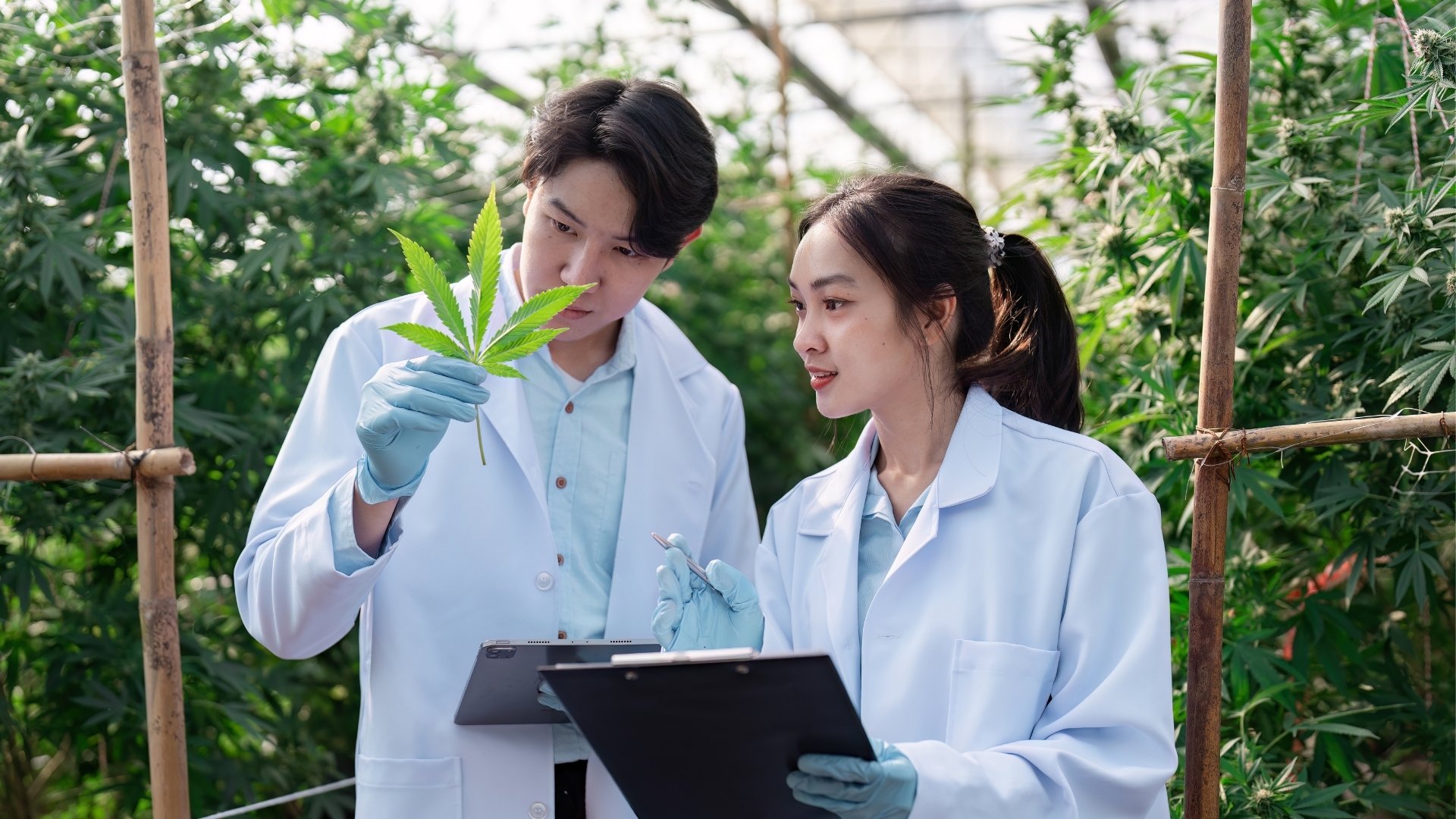
Harvest is where strain differences translate most directly into financial and operational outcomes. Even when plants are grown side by side, readiness and yield expression rarely align across strains.
These differences make harvest planning one of the most complex phases in multi-strain cultivation.
1. Harvest Readiness Windows
Strains differ in how narrow or flexible their harvest windows are. Some cultivars require precise timing, while others allow more margin without sacrificing quality.
The table below outlines typical harvest window behavior by strain type and planning considerations.
2. Yield Expression and Consistency
Yield potential varies by strain and can fluctuate from run to run. Differences in bud density, structure, and maturation directly affect final output.
The table below shows how yield expression typically differs across strain types and how to manage expectations.
3. Harvest Labor Intensity
The amount of labor required at harvest varies significantly by strain. Bud structure and plant size influence cutting speed, trimming time, and post-harvest handling.
The table below compares harvest labor demands by strain category and staffing considerations.
When harvest timing and yield vary across strains, fixed schedules begin to break down completely. This is where technology built around growth-based planning becomes essential.
Suggested Read: 3 Reasons Why Cannabis Cultivation Software Increases Production
Managing Strain Differences With PlanaCan
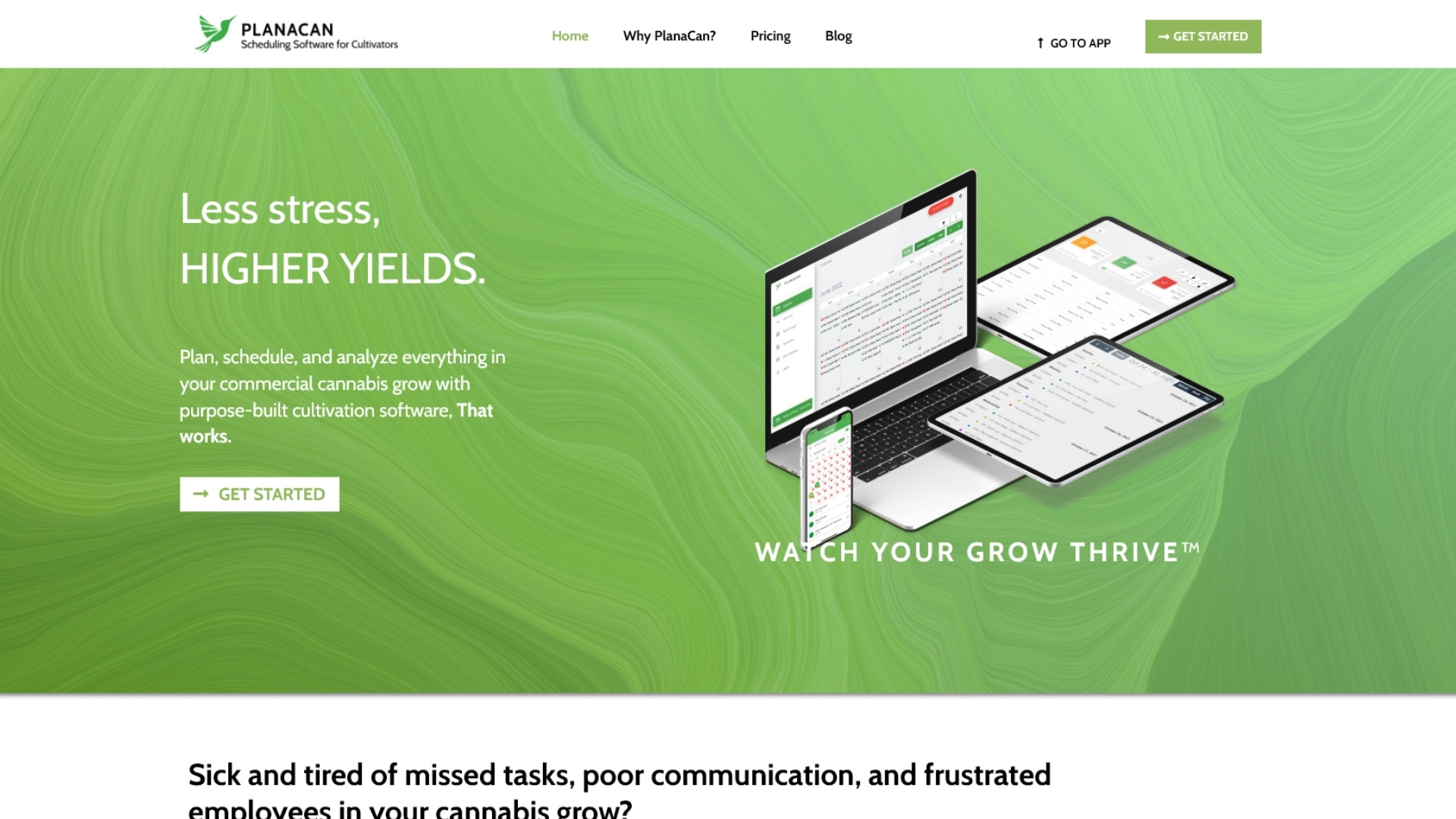
PlanaCan is a cultivation management platform built specifically for commercial cannabis growers. It replaces static, date-driven schedules with growth-based planning that aligns daily execution to how plants actually develop across strains.
By integrating planning, task execution, and performance tracking into a single system, PlanaCan helps you manage variability without losing control. Core features include:
1. Growth-Based Schedules
PlanaCan schedules work around growth stages rather than fixed calendar dates. When veg or flower runs longer or shorter for a specific strain, tasks shift automatically with the plant’s progress. This prevents missed work and eliminates manual rescheduling when timelines drift.
2. Interactive Cultivation Calendar
The interactive calendar gives you a live view of tasks, transitions, and dependencies across rooms and strains. You can move, adjust, or extend activities directly on the calendar as conditions change. This keeps teams aligned even when multiple strains progress at different speeds.
3. Harvest Tracking and Reporting
PlanaCan connects harvest events to cultivation history, allowing you to track timing, outcomes, and strain-specific performance. Reports show what happened during each run, helping you identify patterns tied to genetics, environment, or execution. This turns harvest data into actionable insight for future planning.
4. Reusable Templates and Workflows
Templates let you standardize proven workflows while still allowing strain-level adjustments. You can reuse tasks, treatments, and sequences without forcing identical timelines. This maintains consistency while accounting for genetic differences.
5. Mobile Apps for Daily Execution
PlanaCan’s mobile apps give your team clear, real-time visibility into tasks on the floor. Workers can view assignments, complete work, and update status without leaving the grow. This reduces communication gaps and keeps execution aligned with live plans.
We built PlanaCan for growers who deal with real variability, not idealized schedules. Everything we design is meant to reflect how plants actually grow and how teams actually work. Our goal is to give you control, clarity, and flexibility without adding complexity.
Conclusion
Strain differences are not minor variables. When they are ignored or forced into rigid plans, they cascade into mistimed tasks, stressed plants, uneven harvests, and lost revenue. Missed veg windows, rushed flowering decisions, and poorly timed harvests can quietly erode yield and quality long before issues become visible.
PlanaCan is built to help you stay ahead of that risk. Aligning schedules, tasks, and harvest planning with actual plant development gives you a system that adapts as strains behave differently. Instead of reacting to problems late in the cycle, you stay in control from veg through harvest.
If strain variability is already creating planning pressure, it is time to change how you manage it. See how growth-based planning fits your operation. Schedule a free call today.
Frequently Asked Questions
1. Does indica vs sativa actually make a difference?
Indica and sativa describe broad growth tendencies such as plant structure and stretch, but most commercial strains are hybrids. While these labels offer general guidance, real cultivation decisions should be based on observed strain behavior rather than category alone.
2. What is a strain vs cultivar vs variety?
In cannabis, “strain” is a standard industry term, while “cultivar” is the more accurate agricultural definition for a genetically selected plant line. “Variety” is often used informally but lacks a precise meaning in regulated cultivation contexts.
3. Can the same strain behave differently in different facilities?
Yes. Environmental conditions, feeding strategies, lighting, and management practices can significantly influence how a strain expresses growth traits. This is why tracking performance by location and run is critical for consistency.
4. Why do strain timelines change between grow cycles?
Genetic variability, plant health at transplant, environmental fluctuations, and stress events can all shift development timing. Even stable cultivars can show cycle-to-cycle variation that affects veg length, flowering duration, and harvest readiness.
5. Is it possible to standardize operations while growing multiple strains?
Yes, but standardization should focus on workflows and execution methods, not fixed timelines. Systems that plan around growth stages allow consistency in how work is done without forcing different strains into identical schedules.