Deciding how often to feed nutrients can feel like a constant guessing game. Use them too frequently, and your plants risk nutrient burn, salt buildup, and root stress. Use them too rarely, and you end up with pale leaves, slow growth, and weak yields.
The truth is that nutrient schedules are not one-size-fits-all. They depend on your growing medium, environment, and plant stage. This guide explains how nutrient absorption works, provides tips on avoiding feeding mistakes, and offers guidance on building a reliable schedule.
Quick look:
- Cannabis plants should not receive nutrients every time they are watered. Feeding depends on growth stage, medium, and plant health.
- Understanding when and how to feed avoids overfeeding or underfeeding, which can stunt growth, cause nutrient burn, or reduce yield.
- Yellowing leaves, burnt tips, or slow growth indicate nutrient imbalances, and adjusting feeding schedules can correct these problems.
- Nutrient absorption differs by medium, with hydroponic systems allowing faster uptake but requiring more precise monitoring than soil-grown systems.
- Feeding schedules should align with plant age, strain, and environmental conditions, ensuring optimal growth and healthy development.
What’s the Difference Between Watering and Feeding
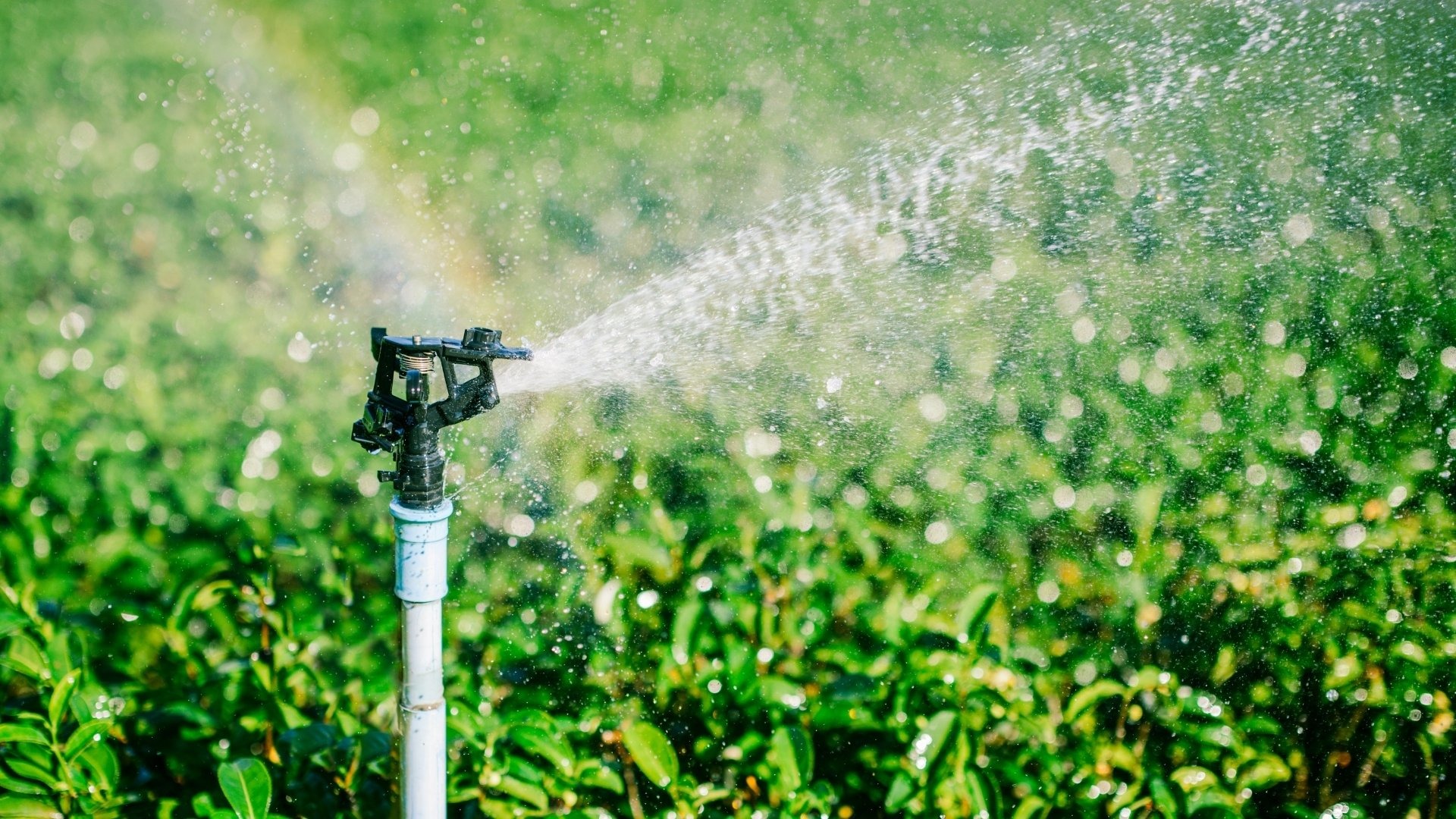
In cannabis cultivation, “watering” and “feeding” are often used interchangeably, but they serve distinct purposes. Watering keeps the root zone hydrated and supports nutrient uptake, while feeding adds essential minerals and supplements to fuel plant growth.
Knowing the difference helps you avoid overloading your soil and ensures your plants receive nutrients when they can actually use them.
Here’s how they differ in practice:
- Watering
- Uses plain, pH-balanced water.
- Helps flush out excess salts and prevent nutrient buildup.
- Keeps soil moisture consistent for healthy root activity.
- Feeding
- This process involves mixing nutrients (like N-P-K formulas and micronutrients) into water.
- Delivers growth-specific support. You need more nitrogen in the vegetative stage, more phosphorus and potassium during flowering.
- Must be carefully measured to avoid nutrient burn or imbalance.
Now that you understand the differences between watering and feeding, the next step is to learn how often your plants require nutrients and why consistency is more important than frequency.
Suggested Read: A Quick Guide to the 60/60 Drying Method for Cannabis
Factors to Consider Before Feeding Your Plants
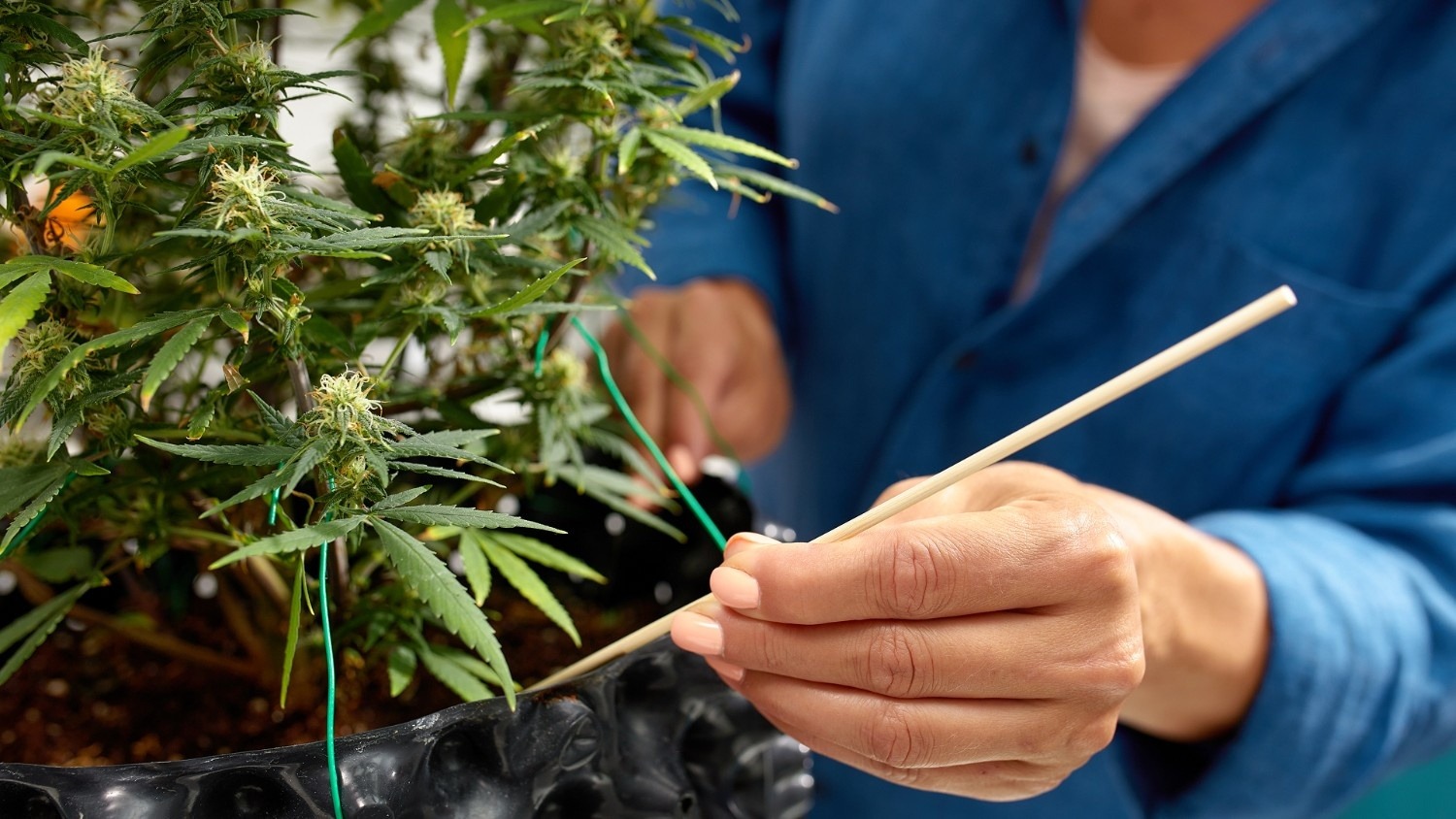
Feeding depends on several factors. Understanding these factors helps you create a nutrient schedule that supports steady, healthy growth without overwhelming your plants.
Key factors to consider:
- Growth Stage
Seedlings require minimal nutrients, while vegetative plants need nitrogen-rich feeds, and flowering plants thrive on phosphorus and potassium. Adjust the concentration as your plants mature. - Growing Medium
Soil often contains organic nutrients that release slowly, while hydroponic systems rely entirely on external feeding. Overfeeding in soil can lead to salt buildup, whereas underfeeding is more common in hydro setups. - Water Quality
Tap water can contain minerals like calcium and magnesium that alter nutrient balance. Testing your water’s pH and PPM helps ensure accurate nutrient dosing. - Strain Sensitivity
Some strains, especially indicas, can be more sensitive to nutrient strength, while sativas tend to tolerate higher concentrations. Start low and observe how each strain reacts. - Environmental Conditions
Temperature, humidity, and light intensity affect how quickly plants absorb nutrients. Hotter, drier environments often increase the plant’s nutrient demand.
Once you have adjusted feeding based on these factors, the next step is to recognize when your plants are getting too much or too little nutrition, so you can correct issues before they harm your yield.
Signs of Overfeeding and Underfeeding and How to Fix Them
Overfeeding and underfeeding are among the most common challenges in cannabis cultivation, and both can lead to weak growth, discoloration, and reduced yields. Learning to identify these symptoms early and knowing how to correct them can save your plants from long-term damage and restore their natural balance.
This is a quick table to help you identify what your plants are trying to tell you:
Tips to Prevent Feeding Problems:
- Always start with a weaker nutrient solution and increase concentration gradually.
- Use an EC or TDS meter to monitor nutrient levels in your water.
- Flush your growing medium every few weeks to prevent salt buildup.
- Keep a grow log to track changes in feeding schedules and plant response.
- Regularly check the pH of both input water and runoff to avoid nutrient lockout.
Understanding these warning signs is only half the battle. The real key lies in developing a consistent feeding schedule. PlanaCan is a cultivation software that allows users to plan, schedule, and analyze every aspect of their cannabis cultivation. Track the nutrient schedule for strong, healthy growth without overwhelming your plants. Schedule a free call today.
How Often Should You Use Nutrients When Watering?
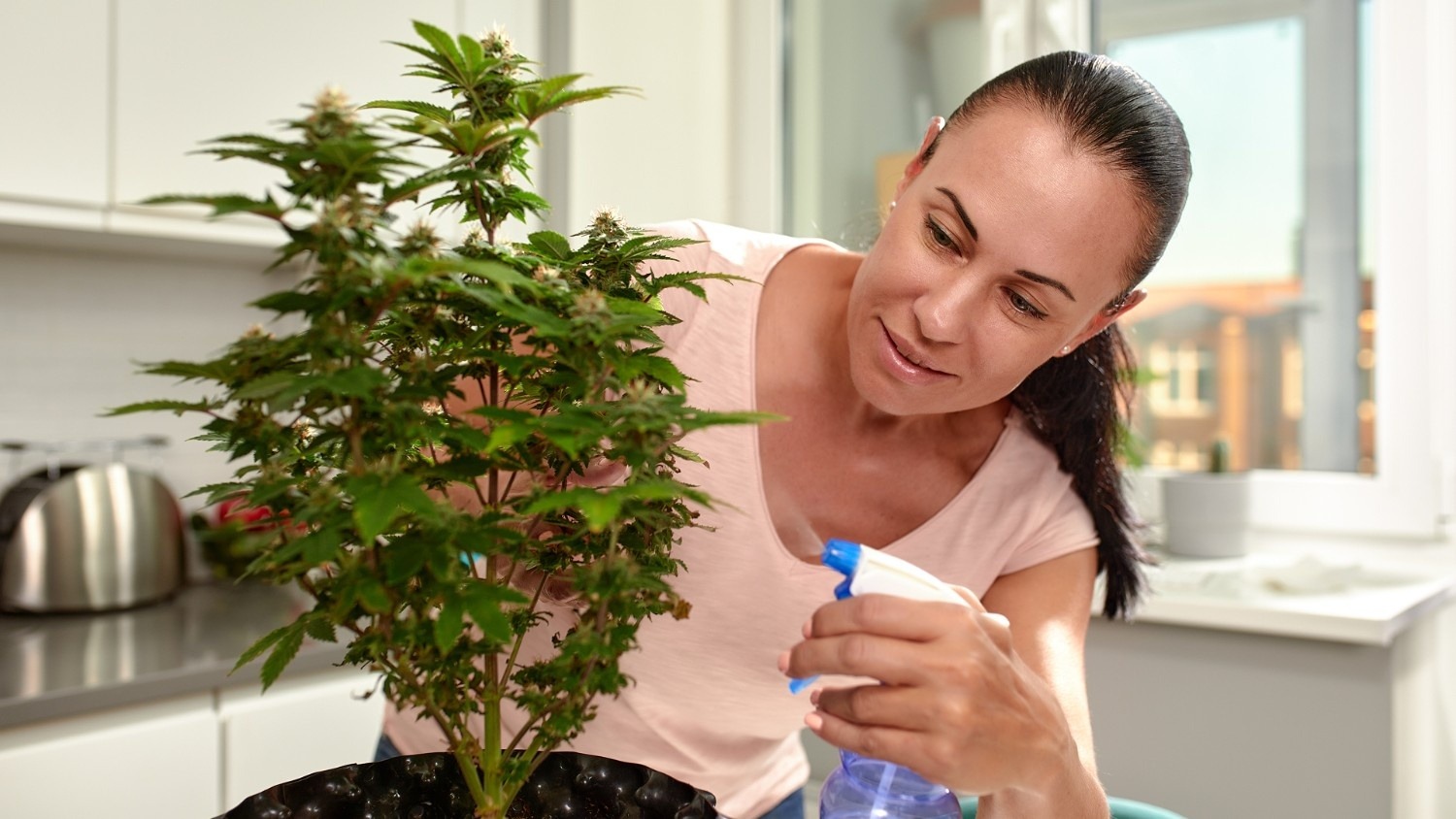
Feeding frequency in cannabis cultivation depends on timing and plant maturity. Both outdoor and indoor growers benefit from understanding when their plants require a nutrient boost versus just plain hydration. Striking this balance prevents salt buildup, nutrient lockout, and the stunted growth that follows.
Here is a general guideline to help determine the frequency of using nutrients when watering:
- Every Day
- Suitable for seedlings or very young plants in fast-draining media like coco coir or rockwool.
- Use highly diluted nutrients (¼ strength) to prevent stress on delicate roots.
- Keep feedings short and frequent to avoid oversaturation.
- Every 2–3 Days
- Ideal for vegetative growth when plants are actively expanding foliage.
- Alternate between nutrient solution and plain water to let the soil reset its pH and nutrient balance.
- Watch for drooping leaves—this signals the next watering cycle is due.
- Twice a Week
- Common during flowering, when plants require consistent phosphorus and potassium.
- Feed twice weekly and flush with plain water every 10–14 days to avoid mineral buildup.
- Adjust according to pot size and temperature—larger pots retain moisture longer.
- Once a Week or Less
- Works well for mature plants in rich organic soil with slow-release fertilizers.
- Overfeeding at this stage can stress roots and lower bud quality.
- Focus on moisture consistency and occasional top-dressing rather than constant liquid feeding.
- Environmental Adjustments
- In hot or dry climates, plants consume water faster, but nutrients should not always accompany every watering. You should alternate to maintain balance.
- In humid environments, slow evaporation means longer intervals. Reduce watering and nutrient frequency accordingly.
A measured schedule like this keeps roots oxygenated and nutrient uptake efficient. The next step is customizing nutrient application to each growth medium. This ensures your plants receive exactly what they need.
Suggested Read: Causes and Fixes for Slow Cannabis Plant Growth
How Nutrient Uptake Works in Soil vs. Hydroponic Systems
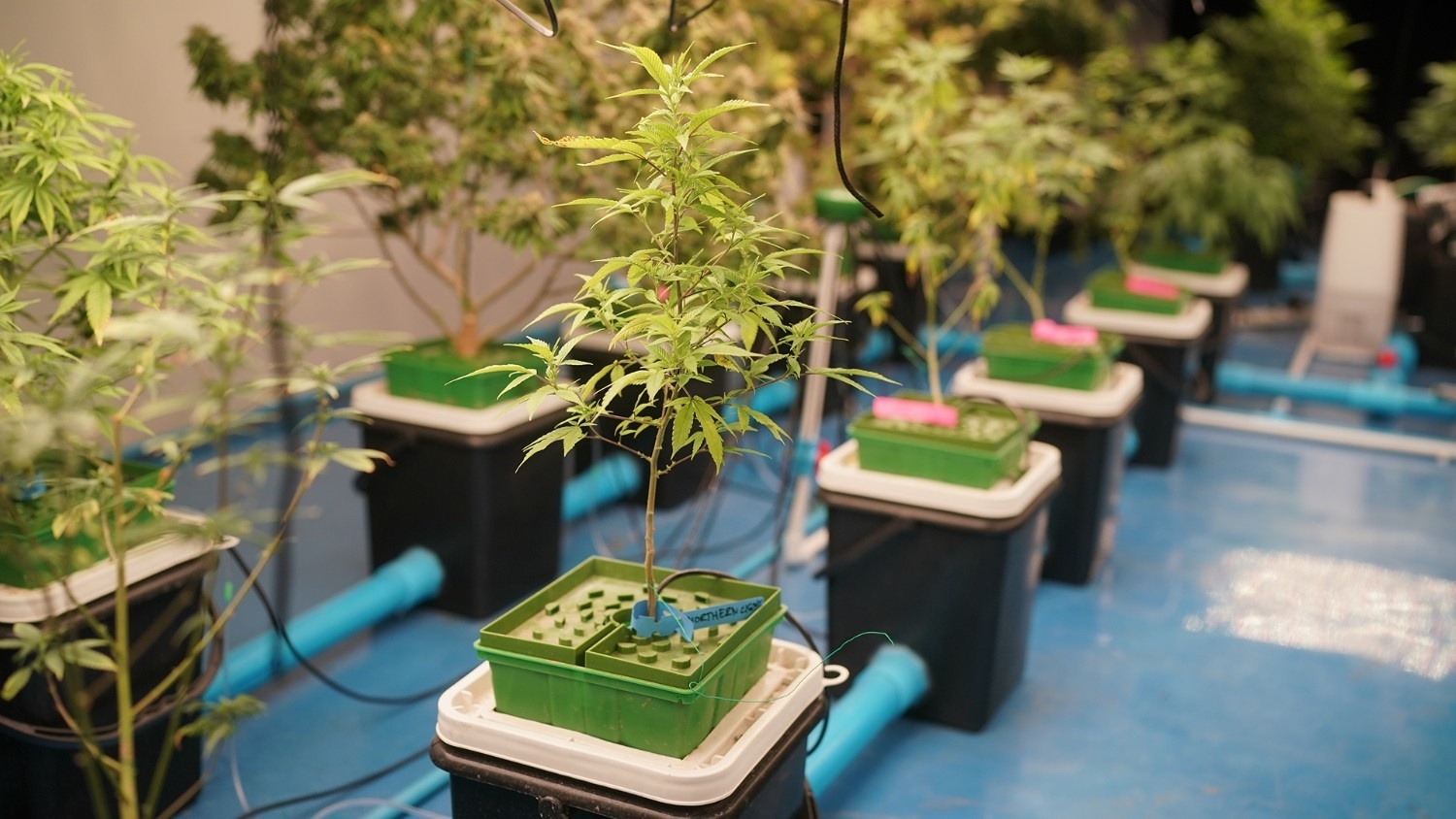
While both soil and hydroponic setups aim to deliver the same essential minerals, the mechanisms of uptake differ significantly. Knowing how each system interacts with nutrients can help you fine-tune your feeding schedules and prevent deficiencies before they affect the plant.
1. Soil-Based Systems
In soil cultivation, nutrient uptake is a slower, more buffered process, relying heavily on organic matter and microbial activity. These microorganisms convert complex nutrients into forms that roots can absorb, creating a more forgiving environment for growers.
Key factors in soil uptake include:
- Cation Exchange Capacity (CEC): Determines how well soil holds and releases nutrients like calcium, magnesium, and potassium.
- Microbial Health: Beneficial bacteria and fungi assist in nutrient conversion and improve root absorption efficiency.
- Soil pH Stability: Ideal range (6.0–7.0) ensures maximum nutrient availability without toxic buildup.
- Moisture Retention: Overwatering can suffocate roots, while underwatering reduces nutrient flow.
Soil systems allow for minor mistakes in feeding, as the organic medium naturally regulates nutrient delivery and prevents immediate toxicity.
2. Hydroponic Systems
In hydroponic setups, plants receive nutrients directly through water, bypassing the soil buffer entirely. This gives cultivators control over nutrient ratios and pH. But it also demands tighter monitoring.
Key principles in hydroponic nutrient uptake:
- Direct Absorption: Nutrients are dissolved in water, allowing roots to take them in instantly.
- pH Sensitivity: Even slight deviations (ideal range: 5.5–6.5) can disrupt uptake, leading to rapid nutrient lockout.
- Oxygenation: Adequate dissolved oxygen prevents root rot and improves nutrient metabolism.
- EC (Electrical Conductivity): Reflects the nutrient concentration in solution; must be adjusted regularly to avoid overfeeding.
While hydroponics accelerates growth and yield, it leaves less room for error. A small imbalance can quickly affect plant health.
The next challenge lies in balancing these feedings over time. PlanaCan simplifies nutrient management by helping you organize, plan, and track every stage of your cultivation cycle. Its harvest analytics provide valuable insights into the most suitable growing method for specific strains. Learn more about it in the next section.
Suggested Read: How to Spot and Resolve Cannabis Leaf Burn due to Nutrients
Build a Smart Nutrient Schedule with PlanaCan
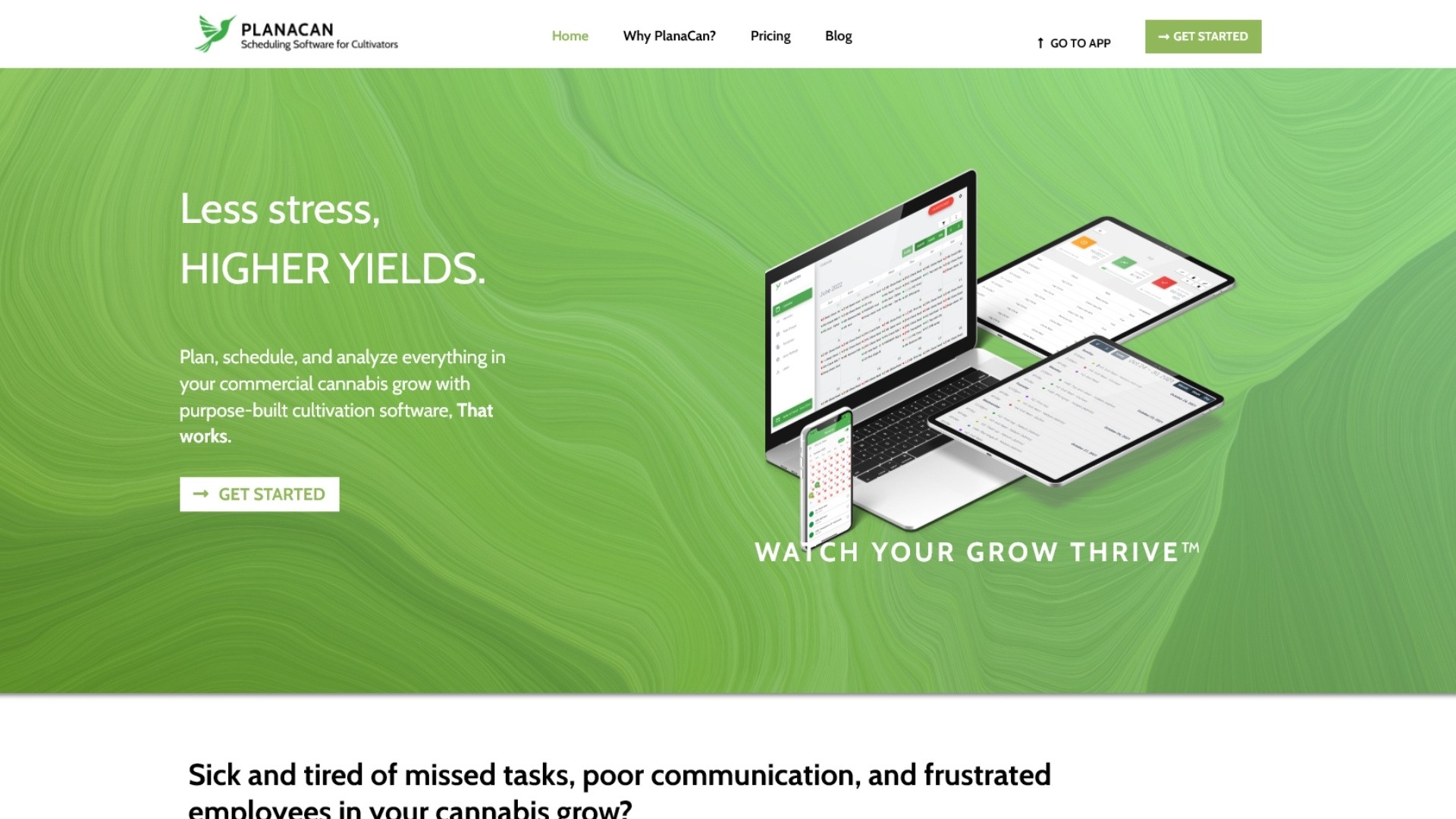
PlanaCan offers a centralized platform to plan, track, and adjust nutrient applications, helping cultivators optimize growth and avoid overfeeding or deficiencies. Its AI-driven organization tools ensure your team stays aligned, whether you grow in soil or hydroponics.
These are a few helpful features that make us industry leaders:
1. Automated Work Scheduling
Plan all nutrient feedings and cultivation tasks in advance. Templates allow you to set up recurring schedules to match growth stages, reducing human error.
2. Interactive Calendar
Visualize your feeding schedule across weeks or months. Quickly adjust nutrient timings or volumes and see the impact on overall workflow.
3. Mobile App Access
Team members can access schedules, checklists, and notes on the go. This ensures consistent execution even when managing multiple grow areas.
4. Harvest Analysis and Reporting
Track how nutrient strategies impact yield and quality. Historical data allows optimization for future cycles. You can tell exactly where you went wrong in the nutrient watering schedules.
5. Task Notes and Context
Attach strain-specific instructions, feeding volumes, or special considerations to each task. Prevents miscommunication and keeps everyone on the same page.
PlanaCan offers multiple pricing tiers for different grow sizes. The Basic plan is free for small-scale and hobby growers, while paid versions provide advanced features for commercial operations. A flexible free trial lets you explore all capabilities and experience the benefits of structured nutrient planning before committing.
Conclusion
Proper nutrient management is essential for healthy cannabis growth and maximizing yield. Overfeeding or underfeeding can stunt growth, reduce potency, and create costly problems if not carefully monitored.
PlanaCan helps cultivators stay on top of their nutrient schedules by providing centralized task management, interactive calendars, and detailed harvest analytics. By organizing feeds according to strain and growth stage, you can avoid mistakes, optimize plant health, and improve overall yield.
Start planning your nutrient schedule. Schedule a free call today.
Frequently Asked Questions
1. Can you mix organic and synthetic nutrients safely?
Yes, combining them can work, but it requires careful monitoring of pH, EC, and nutrient ratios to prevent lockout or overfeeding.
2. Do different cannabis strains require different micronutrients?
Some strains are more sensitive to elements like calcium, magnesium, or iron, and may need adjustments for optimal growth and potency.
3. How does water quality affect nutrient absorption?
High levels of chlorine, salts, or hard minerals in water can impact nutrient uptake and may require filtration or adjustments.
4. Can foliar feeding replace root feeding?
Foliar feeding can supplement nutrients, especially micronutrients, but it does not replace the need for root-based nutrient absorption.
5. How do environmental factors influence nutrient needs?
Temperature, humidity, light intensity, and soil type can all affect how much and how often plants require nutrients.