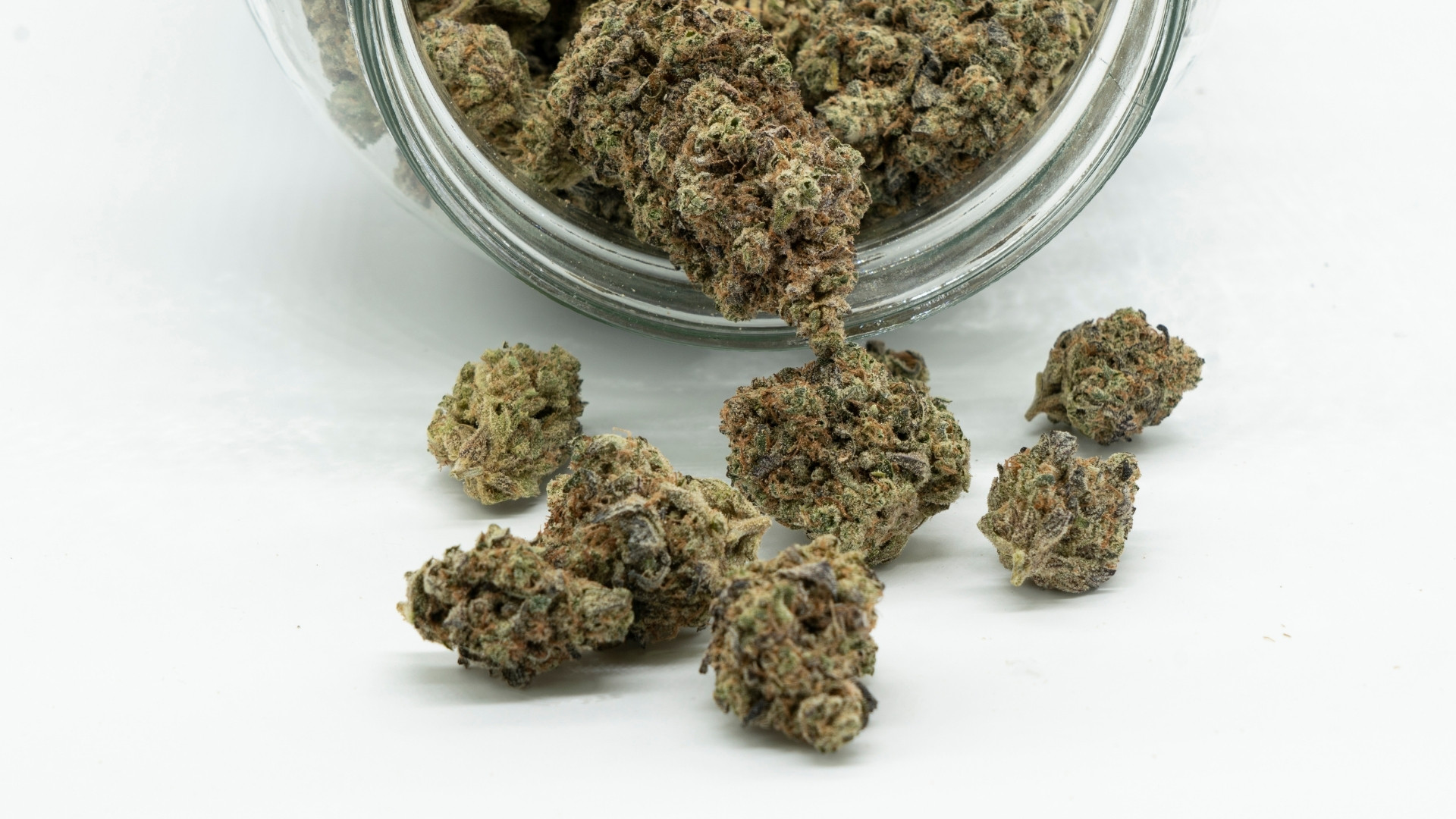
As a commercial cultivator, you put weeks of work into nurturing your plants, dialing in lighting, nutrients, climate, and irrigation with precision. So when you reach the final stretch of the flowering cycle and notice your buds losing their smell before harvest, it’s more than disappointing. It’s a signal that something in the process isn’t aligning the way it should. Aroma is a critical quality metric, as it significantly influences product value, consumer experience, and brand reputation. When it fades too early, it often points to deeper issues within the cultivation environment, workflow timing, or post-harvest preparation.
Because terpenes are delicate and highly volatile, they’re often the first compounds affected when plants experience stress. Even small shifts in temperature, airflow, humidity, nutrient balance, or harvest timing can dramatically impact terpene retention. And while genetics play a role, most cases of fading aroma can be traced back to preventable and controllable factors within the grow room.
Understanding what causes buds to lose their smell and knowing how to correct the process gives you the control you need to protect your crop, preserve terpene expression, and deliver the fragrant, high-quality flower your customers expect. Let’s break down why aroma slips away in the final weeks and what you can do to stop it from happening again.
In a nutshell:
- When buds begin losing smell before harvest, what you’re often seeing is a loss of terpenes due to stress, over maturation, or environmental mismanagement.
- Major causes include over-mature harvest timing, excess heat or airflow, nutrient or pH imbalance, and poor drying/curing workflows.
- To prevent aroma fade, monitor terpene-friendly environmental conditions (especially in the last 2-3 weeks), keep workflows aligned (template tasks and checklists), and ensure a controlled drying/curing process.
- With PlanaCan, you can automate task scheduling, link team workflows to environmental data, and enable harvest analysis to identify which strain/room combinations lost aroma and why.
Why Does Smell Fade Before Harvest?

Aroma is one of the earliest signs that something in the grow environment or workflow has shifted. Because terpenes are highly volatile compounds, they’re often the first thing affected when plants experience stress or when conditions drift from the ideal range. Before assuming genetics is to blame, it’s worth breaking down the key factors that can trigger aroma loss in late flowering and understanding how each one impacts the final product’s quality and market value.
Terpenes Are Volatile. So When Conditions Go Off, Aroma Goes First
Aroma in cannabis largely comes from terpenes (and other volatile organic compounds). When environmental or workflow conditions shift, those terpenes can degrade or evaporate. For instance:
- A grower forum user observed: “The trichomes are going from being sticky/greasy to being dry/waxy… early samples of buds are often better than the finished items.”
- Another noted: “It has nothing to do with the racks … it’s genetics and what you feed the plants and how you flush and cure to maximize smell and taste.”
- Terpenes are lost due to improper drying/curing or from exposure to stressors.
So when you see “buds losing smell before harvest”, you’re seeing the end result of one or more upstream issues.
Common Culprits
Here are the most frequent causes you’ll want to check:
1. Harvesting Too Late (or Letting Conditions Go Too Long)
As one seed-company article put it: “As the trichomes start to degrade once the plant has hit the perfect time to harvest, the buds will start to lose their smell…” This means waiting past the peak aroma window can cost you smell (and often potency).
2. Heat, Airflow, or Dehydration Stress in Late Flower
Excessive heat, strong fans, or premature canopy drying can reduce terpene retention. One grower noted that heavy fans may be “drying out the trichomes on the tops.” Also, drying/curing mistakes can cause “hay smell” or flat aroma.
3. Nutrient or pH Imbalance, Especially in Final Weeks
If the plant is deprived or overloaded late in flower, sugar production or terpene synthesis may slow, resulting in reduced aroma. Growers often suspect early nutrient cutoffs or root stress at this stage.
4. Genetics + Environmental Mismatch
Some strains simply have lower terpene potential, while others are more sensitive to environmental conditions. A forum user simplified: “Genetics plain and simple.” Even with an excellent process, choosing a strain with modest aroma potential limits your ceiling.
Also read: Step-by-Step Guide to Advanced Cannabis Cultivation Techniques
Step-by-Step: How to Prevent Aroma Loss in Final Stages

For a commercial cannabis operation, preserving maximum aroma in the final stages is critical it dictates product quality, market value, and consumer appeal. This detailed protocol standardizes the process, ensuring consistency across every room and every batch.
1. Define Aroma Quality Targets & Trigger Tasks
Aroma preservation begins by establishing a clear standard for the desired final product's aroma and embedding checks into your centralized workflow system.
- What the step is about: Establishing a precise, quantitative target for terpene content (if possible, via lab testing) and a qualitative standard (smell profile) for each unique strain, then using your workflow software to schedule critical assessment tasks.
- How to do it:
- Strain-Specific Profiling: For every strain (e.g., 'Citrus Haze' or 'Earthy Kush'), define the expected primary and secondary aroma notes (e.g., Limonene/Terpinolene forward or Myrcene/Caryophyllene heavy). This moves the assessment beyond a subjective "good" or "bad" smell.
- Automate Sensory Checks: Use your cultivation ERP or task management system to schedule mandatory Sensory Inspection Tasks for the final 2-3 weeks of flower. These tasks must be linked to the batch ID and require the grower to record notes on the current aroma intensity and quality directly in the app.
- Trigger Trichome Monitoring: Set up an automated reminder task: "Week X before scheduled harvest: Check trichome maturity (cloudiness/amber ratio) using 60x loop. Update harvest date projection." This ensures timing is based on compound maturity rather than calendar days.
- Outcomes/Results: Standardized Aroma Profiles and a Digitalized Checkpoint Schedule that forces the team to actively monitor and log the progress of terpene development, ensuring consistency across harvests.
2. Maintain Terpene-Friendly Environment (Final Weeks)
Terpenes are highly volatile organic compounds (VOCs). Environmental stress, particularly heat, can cause them to degrade and evaporate rapidly as you approach the harvest window.
- What the step is about: Utilizing your closed-loop automation system to stabilize temperature and humidity, minimizing stress on the resin glands (trichomes), which house the valuable terpenes.
- How to do it:
- Lower Canopy Temperature: Implement a precise automation recipe that ramps the average canopy temperature down, especially during the lights-on period, in the final 10-14days. Aim for the cooler end of the optimal range, ~18-21 °C (65-70°F), which helps prevent terpene volatilization. Avoid spiking the temperatures above 25°C (77°F).
- Manage Airflow Velocity: Re-evaluate your fan strategy. While air exchange is vital for preventing mold, excessively high-speed, turbulent airflow directly across the canopy can physically stress the trichomes and hasten the evaporation of volatile compounds. Lower fan settings or utilize indirect airflow where possible.
- Root Zone-to-Climate Balance: Monitor water usage. If you are reducing nutrient inputs (flushing) and the plant is naturally slowing its water intake, ensure your VPD (Vapor Pressure Deficit) and airflow are adjusted appropriately. If the air is too dry or too hot while the roots are taking in less water, the plant will rapidly stress, which can impact late-stage terpene production.
- Outcomes/Results: A Stable, Cool Final-Stage Environment that minimizes the thermal and physical stress responsible for terpene loss, preserving the complex volatile profile.
3. Manage Nutrients & Flush Thoughtfully
The commonly practiced "flush" must be carefully managed in high-value cannabis to ensure the plant has the necessary precursors for terpene synthesis right up to the end.
- What the step is about: Executing a precise, strain-specific nutrient runoff/reduction schedule that encourages the production of final sugars and secondary metabolites (terpenes) without causing premature senescence or nutrient lock-out.
- How to do it:
- Avoid Preemptive Stripping: Do not cut all nutrient inputs too early. Terpene production relies on a healthy plant metabolism, which needs key elements like Phosphorus (P) and Potassium (K) to drive late-stage flower development. Instead of a complete stop, look for a controlled, gradual reduction.
- Promote Terpene Precursors: Focus on maintaining an appropriate ratio of late-stage nutrients (often higher P and K, reduced N) to promote the internal sugar reserves that feed terpene synthesis.
- Digital Schedule and Review: Embed the specific flushing protocol (e.g., EC target reduction over 7 days) into your task system. Schedule tasks like "Root-Zone EC/pH Check: Day X of Flush" to verify that nutrient levels are dropping as intended without crashing the pH.
- Outcomes/Results: A Balanced Late-Stage Nutrient Profile that allows the plant to fully utilize its metabolic resources to finalize terpene synthesis, improving the intensity and complexity of the final aroma.
4. Harvest Timing & Technique
The exact moment of harvest and the immediate post-cut handling are critical choke points where even a few minutes of delay or poor conditions can lead to aroma degradation.
- What the step is about: Ensuring harvest occurs at the peak of trichome ripeness and that the excised plant material is moved immediately into a controlled environment to prevent enzymatic or thermal degradation.
- How to do it:
- Precision Timing: Rely strictly on the trichome monitoring task data. Harvest when the majority of trichome heads are fully cloudy, with the desired amber percentage (often 5-15%, depending on the desired effect). Waiting until too many trichomes are amber indicates THC degradation, which often correlates with a flattening of the volatile terpene profile.
- Minimize Post-Cut Delay: Once cut, the plant material is highly vulnerable. Never allow harvested material to sit exposed in the warm, bright, or turbulent conditions of the flower room. The heat will immediately begin to volatilize terpenes.
- Immediate Transfer: Utilize a dedicated logistics team or workflow task to ensure plant material is moved immediately to a cool, dark, climate-controlled drying area post-cutting.
- Outcomes/Results: Optimal Potency and Terpene Density by harvesting at the point of peak chemical maturity, combined with a workflow that minimizes the high-risk period between cutting and placement in the drying environment.
5. Drying & Curing Strategy Aligned with Aroma Preservation
The drying and curing phases are arguably the most crucial for locking in and refining the aroma, as this is where moisture is carefully removed, concentrating the terpenes.
- What the step is about: Implementing a slow, controlled drying and curing process that preserves the cellular structure of the trichomes and prevents the rapid loss of volatile terpenes via excessive heat or airflow.
- How to do it:
- The "Slow Dry" Gold Standard: Target a drying environment that maintains 15-21 °C (60-70°F) and 50-60% Relative Humidity (RH) for 10-14 days. Faster drying (less than 7 days) often traps residual chlorophyll, leading to a "hay-like" smell.
- Avoid Direct Airflow: While ventilation is required for humidity control, position fans to gently move the air around the hanging material, not directly onto the buds. Direct high-velocity air rapidly strips moisture and, critically, the volatile terpenes.
- Curing Standard Operating Procedure (SOP): Initiate curing when small stems snap cleanly (indicating ideal moisture content). Transfer to airtight, light-blocking containers (not clear glass) fitted with RH control packs 58-62% or separate hygrometers.
- Digital Burping Schedule: Schedule daily Burping Tasks in your workflow app for the first two weeks of curing. This ensures the release of trapped moisture, prevents mold, and stabilizes the internal RH for terpene maturation.
- Outcomes/Results: Enhanced Aroma and Smoke Quality through a standardized drying and curing process that concentrates and stabilizes the terpene profile, making the final product market-ready with premium fragrance and flavor.
Suggested read: How to Fix and Identify Nitrogen Toxicity in Weed
How PlanaCan Helps Protect Aroma Quality?

Let’s tie in how PlanaCan fits into your commercial-scale workflow to avoid aroma loss and optimize finish outcome.
- Cultivation Templates: Define strain-specific templates that include the final 3-week phase tasks (environment check, terpene aroma check), harvest timing triggers, and drying & curing handoffs.
- Interactive Calendar: A Visual timeline shows when the aroma-sensitive tasks are scheduled. When a room transitions into the final phase, the calendar alerts the team and automatically creates tasks.
- Team Management & Mobile Access: While working on the floor, your team can update status (e.g., “smell test: faint citrus today”) directly via mobile. Any deviation triggers follow-up.
- Harvest Analysis & Reporting: After harvest, collect data, including aroma rating (assigned by you), yield, drying/curing time, and ambient conditions. Use metrics across cycles to identify which rooms/strains have lost their smell and why, then adjust the templates accordingly.
- Data + Feedback Loop: Over time, you build institutional knowledge: “Strain X lost aroma when final-phase temp > 80°F”, “Drying in room A finished in 4 days caused hay smell”. Use PlanaCan to capture this and standardize best practices.
Are you losing the aroma you expect from your flower? With PlanaCan, you can schedule and track every aroma-critical step, align your team across rooms, and use data-driven reports to optimize smell, flavor, and yield. Schedule a free call today to explore how we can help.
Conclusion
If you’re seeing your buds lose smell before harvest, don’t treat it as bad luck; treat it as a signal: your terpene production or retention is being compromised. By fine-tuning the final phase environment, aligning your team's workflows, timing your harvest/dry/curing processes, and capturing data, you can protect aroma, flavor, and yield.
With PlanaCan, you can have a unified system for task scheduling, team coordination, and harvest analysis, so that aroma loss becomes a problem you track, understand, and reduce, rather than a mystery you chase after each cycle.
Schedule a free call today to see how PlanaCan helps you preserve aroma-rich, high-value flowers from the grow room to the harvest finish.
FAQs
Q1. My buds still look good, but the smell is fading. Is it too late to save them?
Not necessarily. If you catch the issue early (in the final 1-2 weeks), you can adjust the environment, reduce stress, and ensure optimal drying/curing to salvage aroma. However, if aroma compounds have already been lost, you may only partially recover them.
Q2. Does a strong smell always mean higher potency or better yield?
Not all smells are indicators of terpene content, which adds value and affects flavor/experience, but yield and cannabinoid levels are separate metrics. However, aroma often correlates with a well-executed grow.
Q3. Can I increase aroma by adding special nutrients or flushes?
Yes, but these are supplementary. The foundation must be solid: a correct final-phase environment, good workflow, optimal harvest timing, and effective drying & curing. Overreliance on “smell boosters” without fixing fundamentals often fails.
Q4. How often should I schedule aroma checks with my team?
During the final 2-3 weeks, you should have at least one scheduled task per week (preferably twice) for aroma assessment, environment audit and final-phase feed/root check. With PlanaCan, you can automate these reminders and track completion.