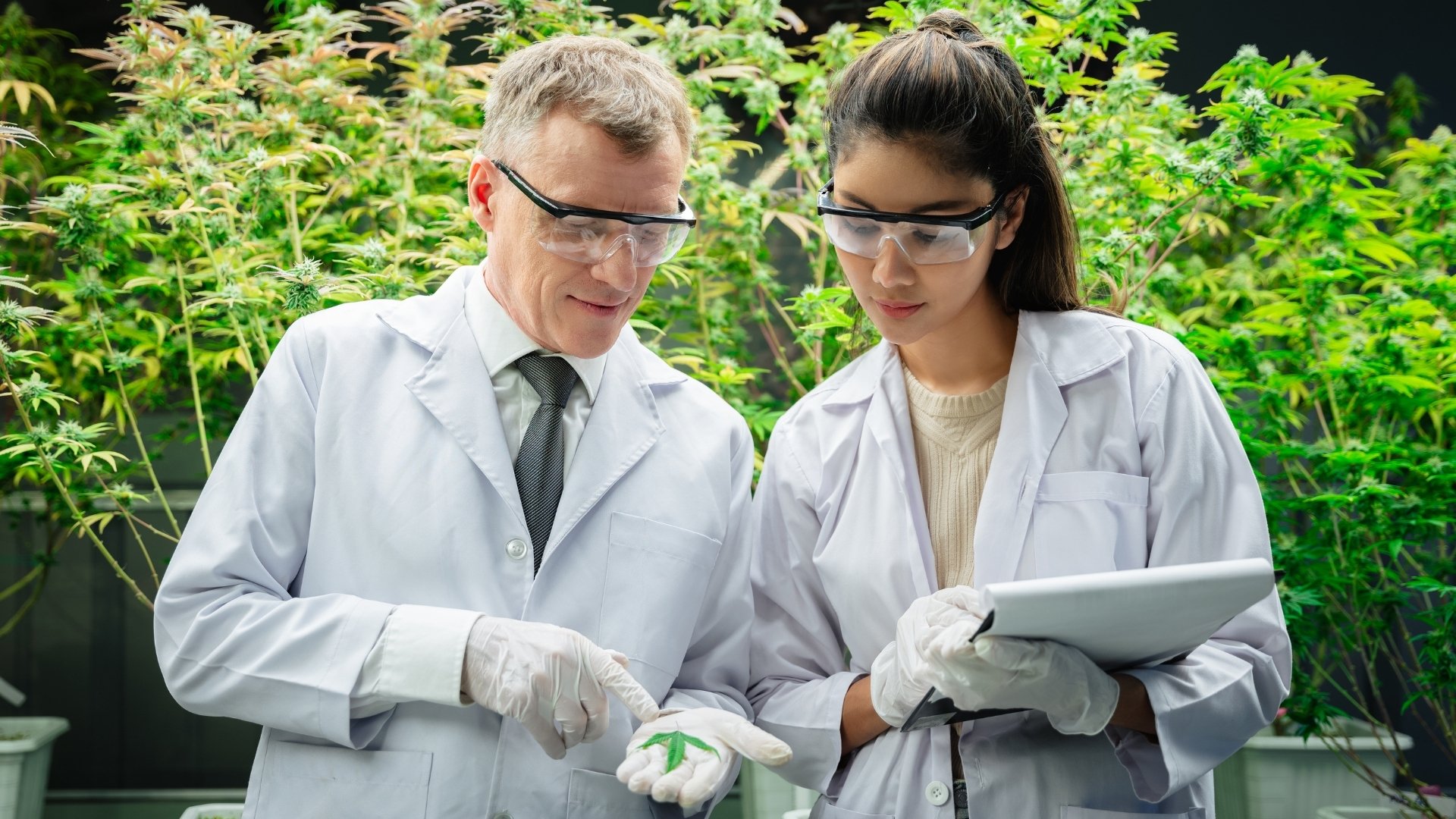
Harvest timing profoundly affects cannabis quality, potency, and cannabinoid yield, but many growers still choose harvest dates based on guesswork. Research shows that cannabinoid concentrations rise as flowering progresses and then decline if harvest is delayed past the optimal window, meaning timing mistakes can reduce total THC or CBD output.
Understanding when and how cannabinoids peak helps growers harvest at the optimal time for their goals. This guide explains how to prevent harvest timing mistakes using practical indicators, tools, scheduling strategies, and decision frameworks to protect both yield and product consistency.
Quick look:
- Harvest timing determines final product quality. Cutting at the wrong moment affects cannabinoid levels, terpene expression, aroma, color, and overall consistency across batches.
- Different strains mature on different schedules. Indicas, sativas, high-CBD cultivars, and high-terpene varieties each follow unique ripening patterns that shape their ideal harvest window.
- Common mistakes distort potency and flavor. Misreading trichomes, relying on pistils, following generic timelines, or mismanaging late-flower environment often leads to early or late harvests.
- Corrective steps can reduce the impact of errors. Adjusting curing conditions, redirecting product formats, modifying drying approaches, and documenting issues help salvage quality and refine timing for future cycles.
- Prevention depends on structured workflows. Organized scheduling, consistent readiness checks, and standardized evaluation routines help growers stay ahead of ripening changes and avoid timing errors altogether.
Indicators Determining the Right Harvest Window

Harvest timing refers to the point at which cannabis flowers achieve peak cannabinoid, terpene, and structural maturity. The exact moment you harvest influences potency, aroma, final weight, color, and long-term stability.
Because these qualities shift quickly near the end of flowering, growers rely on several visual and chemical indicators to identify the ideal harvest window.
These factors indicate the cultivation is ready for harvest:
- Trichome Development: Trichomes shift from clear to cloudy to amber, signaling the transition from immature cannabinoids to peak potency and finally early-stage degradation.
- Pistil Coloration: Pistils gradually change from white to orange or brown, indicating that the flower’s reproductive cycle is nearing completion.
- Calyx Swelling: Buds become fuller, rounder, and denser during late flowering, showing that resin production and cannabinoid concentration have reached their peak.
- Aroma Intensity: Terpenes become more pronounced near maturity, and a stronger, richer aromatic expression often signals that harvest is approaching.
- Flower Firmness: Buds develop greater structural density as resin accumulates, offering a tactile cue of readiness.
- Moisture Reduction: Slight natural drying on the plant can appear as flowers near maturity, reflecting internal chemical shifts.
- Cultivar-Specific Timing: Different strains finish at different rates, so optimal timing depends on genetics and how each cultivar responds to its environment.
With accurate indicators in mind, it becomes easier to avoid costly errors. In the next section, we look at the typical harvest windows for different strains.
Suggested Read: How Much Cannabis Can One Plant Typically Yield?
Strain‑Specific Harvest Timing
Strains mature according to their genetics, chemical composition, and environmental sensitivity. Knowing these differences helps growers set realistic expectations about flowering duration and avoid relying on generic timelines.
This is the natural rhythm for more popular strains:
Fast-Finishing Indicas
- Compact strains like Northern Lights or Bubba Kush often reach full cannabinoid development in 7–8 weeks. Their trichomes cloud earlier, and calyx swelling completes quickly, making delayed harvests more likely to cause terpene loss and CBN formation.
Long-Running Sativas
- Stretchy cultivars such as Sour Diesel or Super Silver Haze take 10–12 weeks to finish because their cannabinoid pathways mature more slowly. Cutting early dramatically reduces potency and prevents the terpene profile from fully expressing.
High-Terpene Cultivars
- Aroma-rich strains like GSC, Tangie, or Zkittlez often degrade quickly at the end of flowering because their terpenes are volatile. These cultivars sometimes benefit from harvesting a few days earlier to preserve bright citrus, fruit, or dessert notes.
High-CBD Varieties
- Strains such as ACDC or Charlotte’s Web may require extended flowering for CBDA peaks, which typically occur slightly later than THCA peaks. Monitoring cannabinoid progression is essential because CBD-rich cultivars do not follow the same visual cues as THC-dominant strains.
Stress-Sensitive Strains
- Phenotypes prone to heat, drought, or light stress can accelerate or delay ripening unpredictably. For example, certain Gorilla Glue or Gelato phenos may amber early under stress, making weekly trichome checks mandatory to avoid misreading maturity.
PlanaCan helps track each strain’s unique ripening pattern across cycles. Its interactive calendar adjusts as observations are logged, showing when individual cultivars typically finish. Automated scheduling ensures every strain receives timely readiness checks. Schedule a free demo today.
Common Harvest Timing Mistakes Growers Make

Most timing errors fall into two groups: harvesting too early or harvesting too late. Each leads to different problems with quality, potency, and consistency. Understanding the sources of these mistakes helps growers avoid costly losses.
1. Early Harvest Mistakes
Early harvest mistakes occur when growers cut plants before cannabinoids, terpenes, and bud structure fully develop. This usually comes from misreading trichomes, rushing due to schedules, or misunderstanding cultivar timelines.
Table showing the error, impact, and its prevention strategy:
Harvesting too early creates one set of problems, but waiting too long brings an entirely different set of risks. Once plants pass their peak window, chemistry shifts quickly. THC begins to oxidize, terpenes volatilize, and structural quality declines.
2. Late Harvest Mistakes
Late-harvest mistakes occur when growers delay cutting beyond peak maturity. This often results from labor shortages, room overlap, misreading amber trichomes, or environmental issues masking true readiness.
Table showing the error, impact, and its prevention strategy:
Mistakes in harvest timing are common, but they are not the end of the story. The next section outlines practical fixes that help reduce the impact of early or late cuts and improve results moving forward.
Suggested Read: Tips on Outdoor Cannabis Growth from Seed to Harvest
How to Fix the Damage Caused by Harvest Timing Mistakes
While you cannot completely reverse the impact on cannabinoids or terpenes, you can take specific steps to stabilize quality, preserve value, and prevent the same mistake from affecting future batches.
Addressing the problem correctly ensures you recover as much usable product as possible. These tips should help do that:
- Improve Cure Conditions: For early-harvest buds with grassy or immature aromas, a slower cure with tighter humidity control helps round out flavor and reduce chlorophyll bite.
- Blend Batches Strategically: Late-harvest, more sedative flowers can be blended with earlier-harvest products to balance effects and create more consistent retail batches.
- Use Alternative Product Formats: Overripe or underdeveloped buds can be redirected into extracts, where terpene loss or minor potency differences matter less than in flower form.
- Adjust Drying Duration: Early-cut buds may need a slightly shorter dry to avoid crispness, while late-cut buds often benefit from extended, gentle drying to prevent mold due to higher internal moisture.
- Document the Error: Record what went wrong—whether misreading trichomes, scheduling issues, or cultivar-specific timing to refine your harvest planning for future cycles.
- Monitor Plant Behavior Across Multiple Weeks: Tracking the rate of trichome change, aroma progression, and calyx swelling helps prevent repeating the same timing mistake in the next run.
PlanaCan centralizes observations, making it easier to identify why a timing mistake happened. Its reporting tools reveal patterns across batches so growers can adjust future cycles. Templates help standardize corrective actions for more consistent results. Try PlanaCan for free.
Misconceptions About Harvest Timing

Many growers still rely on outdated rules or oversimplified cues that lead to early or late cuts. These misconceptions persist because they sound convenient, but they fail to reflect how different strains mature or how environmental factors influence chemical development.
Common misconceptions include:
“Amber Trichomes Signal Peak Potency”
- Ambering actually reflects oxidation, meaning THC is already degrading into CBN. Most cultivars reach peak potency when trichomes are mostly cloudy with only a small percentage amber.
“All Strains Finish in 8–10 Weeks”
- Flowering duration varies widely by genetics, phenotype, stress, and environment, so relying on fixed timelines can result in harvests that are either too early or too late.
“Pistil Color Alone Predicts Maturity”
- Pistils can darken early due to heat, light intensity, or pollination stress, making them unreliable as a standalone indicator.
“Bigger Buds Always Mean Ready Buds”
- Size does not reflect chemical maturity; some strains bulk early but continue developing cannabinoids and terpenes much later.
“Top Canopy Readiness Represents the Whole Plant”
- Upper buds often ripen days ahead of lower buds due to light difference, meaning full-plant harvesting can create mixed maturity.
Correcting these misconceptions ensures growers base harvest decisions on accurate markers, not shortcuts. In the next section, we look at tools you can use to prevent these mistakes from happening again.
Suggested Read: Simple DIY Cannabis Drying Rack Solutions
Tools and Techniques for Accurate Harvest Timing
Using objective tools reduces guesswork and increases consistency, especially when managing multiple rooms or large teams. These are a few handy tools and tech you can use:
- Digital Microscopes: High-resolution handheld or USB scopes make it easy to evaluate trichome color and clarity with precision instead of relying on the naked eye.
- Trichome Tracking Apps: Mobile apps allow growers to photograph, log, and compare trichome changes over time, helping predict the optimal harvest window.
- Color Calibration Cards: These tools standardize lighting conditions when evaluating pistils or bud coloration, preventing misreads caused by bright LEDs or indirect light.
- In-Room Environmental Sensors: Monitoring late-flower humidity, temperature, and VPD helps avoid stress responses that distort natural ripening cues.
- Canopy Mapping Tools: Mapping maturity differences across the canopy helps identify when staggered harvesting or sectional cuts are preferable.
- Aroma Profiling: Simple sensory notes taken daily or weekly help detect when terpene intensity peaks, supporting more confident harvest decisions.
By combining objective measurements with trained observation, growers gain a more reliable understanding of when their crop is truly ready. PlanaCan can help you avoid mistakes by organizing workflows, scheduling tasks, and improving decision-making.
Suggested Read: How to Grow Medical Marijuana: Step-by-Step Guide
How PlanaCan Helps Prevent Harvest Timing Mistakes

PlanaCan is a cultivation-management platform designed to bring structure, predictability, and accuracy to the harvest process. Instead of relying on memory or scattered notes, growers can track ripening cues, assign tasks, and follow standardized workflows.
These features help teams avoid early or late cuts, manage multiple rooms more effectively, and harvest each cultivar at its true peak.
1. Automated Work Scheduling
PlanaCan automatically generates and assigns harvest-related tasks, such as trichome checks, aroma assessments, late-flower environmental checks, and bud-firmness evaluations. This keeps teams from skipping critical observations during the most volatile ripening days. Automated reminders ensure growers never miss the window where quality can rapidly rise or fall.
2. Interactive Harvest Calendar
The platform displays projected harvest windows for each strain and room, which are adjusted as observations are logged. This helps teams identify overlapping finish times, prepare labor in advance, and make necessary schedule shifts. The calendar becomes a visual guide to prevent overripening caused by staffing delays or room congestion.
3. Team Management Tools
PlanaCan allows cultivation managers to assign specific harvest-readiness tasks to individual team members, track their completion, and consolidate notes in real time. This eliminates inconsistent assessments between staff members and ensures everyone follows the same evaluation criteria. It also simplifies communication when several strains or rooms start maturing simultaneously.
4. Harvest Analysis and Reporting
The system records trichome trends, finishing times, environmental conditions, and previous harvest decisions. Over time, these reports reveal how each cultivar behaves, allowing growers to predict finishing windows more accurately. Historical performance data also helps refine SOPs and correct recurring timing mistakes.
5. Template-Based Harvest SOPs
PlanaCan provides customizable templates for harvest readiness, daily ripening checks, cultivar-specific timing notes, and trichome evaluation workflows. These templates standardize decision-making, ensuring reliability even when training new staff. This structure reduces subjective calls and encourages consistent, evidence-based timing.
PlanaCan gives growers the clarity and control needed to harvest at the perfect moment, cycle after cycle. With scheduled checks, organized observations, and reliable decision frameworks, it helps prevent timing mistakes that compromise potency, aroma, and overall product quality.
Conclusion
Harvest timing is one of the most decisive factors in cannabis quality, and mistakes can undo months of cultivation effort. Growers can protect potency, preserve terpenes, and achieve predictable results across every cycle.
PlanaCan strengthens that consistency by organizing harvest workflows, coordinating teams, and ensuring timely evaluations. Its calendars, automated scheduling, reports, and structured templates help growers make informed decisions rather than rushed or subjective ones.
Take control of your harvest timing with better structure and clarity. Schedule a free call today
Frequently Asked Questions
1. Does it really matter what time of day you harvest cannabis?
Yes. Harvesting before lights-on helps preserve terpenes and prevents excess moisture pressure in the buds, leading to smoother drying, better aroma retention, and more consistent potency.
2. Is it better to harvest too early or too late?
Both reduce quality, but late harvest often causes greater cannabinoid degradation. Early harvest lowers potency, while late harvest increases CBN, weakens aroma, and shortens shelf life.
3. What happens if I harvest my buds too early?
Early-harvest buds contain immature cannabinoids, reduced terpene expression, grassy flavor, and lower weight. They also cure poorly, often retaining chlorophyll or harshness even after extended drying.
4. What should cannabis look like when it’s time to harvest?
Buds should be dense, swollen, and aromatic with mostly cloudy trichomes, darkened pistils, and firm structure. Terpene intensity peaks, and calyxes appear fully matured without excessive ambering.
5. How long is the ideal harvest window?
Most strains present a 3–7 day window where trichomes, terpenes, and structure align. Exact timing varies by cultivar, environment, and phenotype, so daily evaluation is essential.
6. Do lower buds finish at the same time as top buds?
Often no. Lower canopy buds mature more slowly due to reduced light exposure. Many growers harvest in sections, removing top colas first and giving lower buds extra ripening time.